

Description
Polyethylene Glycol Methyl Ether (PEGME): A Versatile Polymer with a Capped Advantage
In the vast landscape of polymer chemistry, certain molecules stand out for their widespread utility and adaptable nature. Among these is Polyethylene Glycol Methyl Ether (PEGME), a fascinating derivative of the more commonly known Polyethylene Glycol (PEG). While sharing many of PEG’s beneficial properties, PEGME sets itself apart with a crucial structural modification that enhances its stability and expands its range of applications.
What is PEGME? The Capped Secret
At its core, PEGME is a polyether compound, characterized by repeating ethylene glycol units (-CH2CH2O-). What distinguishes PEGME from standard PEG is the presence of a methyl ether group (-O-CH3) at one end of the polymer chain. The other end typically remains a reactive hydroxyl group (-OH), though some specialized forms might be di-methyl capped.
This seemingly small “capping” of one hydroxyl end with a methyl group has significant implications:
- Reduced Reactivity: The methyl group is an inert cap, preventing further reactions at that specific end of the polymer chain. This can be crucial in applications where unwanted side reactions need to be avoided.
- Solubility Modification: While still highly water-soluble due to its PEG backbone, the methyl cap can subtly influence its solubility in various organic solvents, sometimes making it more compatible with non-polar environments than uncapped PEG.
- Asymmetry and Surface Activity: The single-ended modification creates an asymmetrical molecule, which can enhance its ability to act as a surfactant, dispersing agent, or emulsifier.
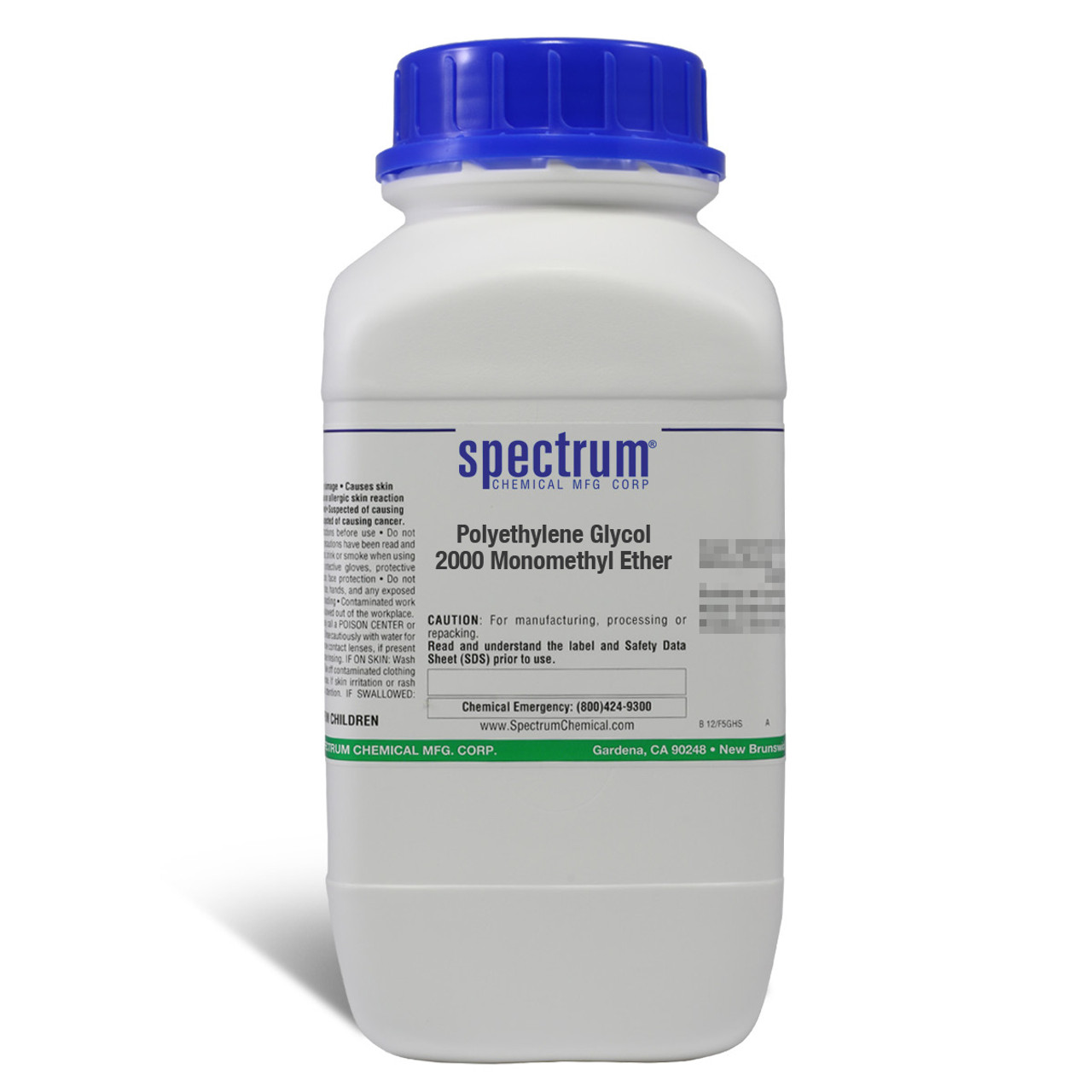
PEGME exists in various molecular weights, represented by numbers like PEGME 350, PEGME 2000, or PEGME 5000. These numbers indicate the average molecular weight, which in turn dictates its physical state (liquid, paste, or solid) and influences properties like viscosity, melting point, and specific application suitability.
Key Characteristics and Properties
Due to its unique structure, PEGME exhibits a range of desirable properties:
- Hydrophilicity: Excellent solubility in water, and many polar organic solvents.
- Low Toxicity & Biocompatibility: Generally considered safe and non-toxic, making it suitable for pharmaceutical and cosmetic applications.
- Chemical Stability: Resistant to hydrolysis and oxidation under normal conditions.
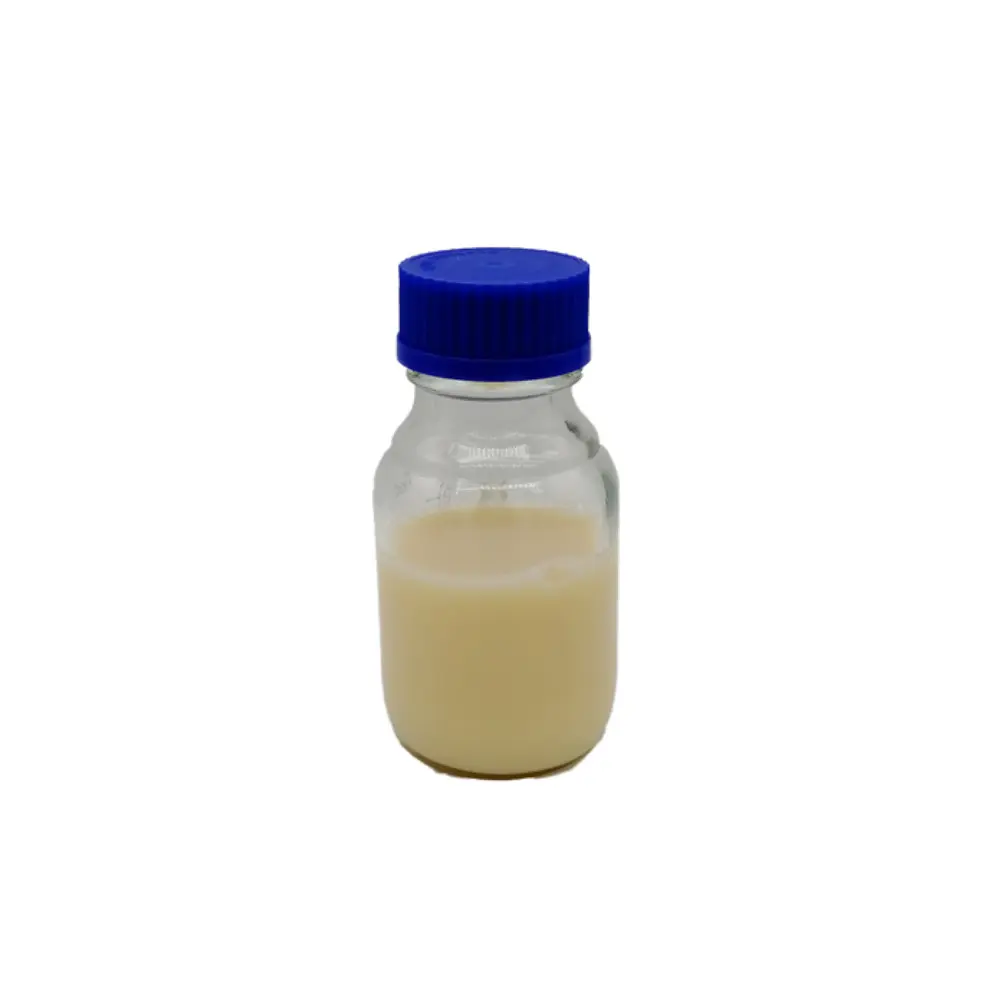
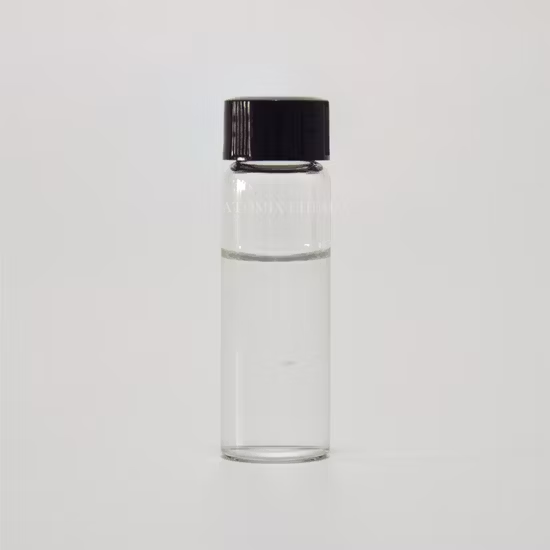
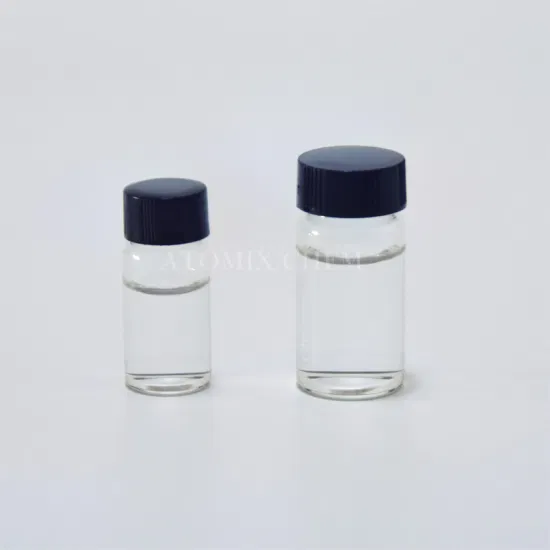
- Lack of Odor & Color: Typically a clear, colorless liquid or white solid, depending on molecular weight, making it aesthetically suitable for consumer products.
- Lubricity: Provides good lubricating properties, reducing friction.
- Dispersing & Emulsifying Agent: Effectively disperses insoluble particles and stabilizes emulsions.
- Humectant: Like PEG, it can attract and retain moisture.
Widespread Applications
The unique “capped advantage” of PEGME, combined with its favorable properties, has cemented its place in a diverse array of industries:
- Pharmaceuticals & Biotechnology:
- Drug Delivery Systems: Used as a solubilizer for poorly soluble drugs, a component in sustained-release formulations, and in the “PEGylation” of therapeutics to improve their half-life and reduce immunogenicity (though PEG-OH is more common here, PEGME can be used when only one attachment point is desired).
- Excipient: Acts as a binder, diluent, or coating agent in tablets and capsules.
- Solvent: For various active pharmaceutical ingredients.
- Cosmetics & Personal Care:
- Emulsifier & Solubilizer: Helps blend oil and water phases in lotions, creams, and shampoos.
- Humectant: Improves skin hydration and product texture.
- Thickener & Stabilizer: Contributes to the desired consistency and stability of formulations.
- Surfactant: Used in cleansers and foaming products.
- Construction Industry:
- Superplasticizers for Concrete: A major application. PEGME-based polycarboxylates are highly effective in dispersing cement particles, allowing for the use of less water while maintaining workability, leading to stronger and more durable concrete.
- Paints & Coatings:
- Leveling Agent & Dispersant: Improves the flow and uniformity of paints and coatings, preventing defects.
- Binder & Film Former: Contributes to the integrity and durability of the dried film.
- Industrial Applications:
- Lubricants & Hydraulic Fluids: Due to its excellent lubricity and thermal stability.
- Heat Transfer Fluids: In various industrial processes.
- Antifoaming Agents: Helps control foam in industrial processes.
- Chemical Synthesis: As a solvent or intermediate in the production of other chemicals.
Safety and Environmental Considerations
PEGME generally has a low toxicity profile and is considered safe for its approved applications. Its biodegradability depends on its molecular weight; lower molecular weight PEGMEs tend to degrade more readily. As with any chemical, proper handling and disposal procedures should always be followed, as outlined in Material Safety Data Sheets (MSDS).
The Future of PEGME
Research continues to explore novel applications for PEGME, leveraging its unique structure and properties. As industries demand more efficient, sustainable, and high-performance materials, PEGME’s versatility ensures its continued relevance and growth. Its “capped advantage” will likely lead to even more sophisticated uses, particularly in fields requiring precise control over molecular interactions and surface chemistry. From life-saving medicines to durable concrete, PEGME remains an unsung hero of modern chemistry.


Reviews
There are no reviews yet.