
Description
1. Product Overview
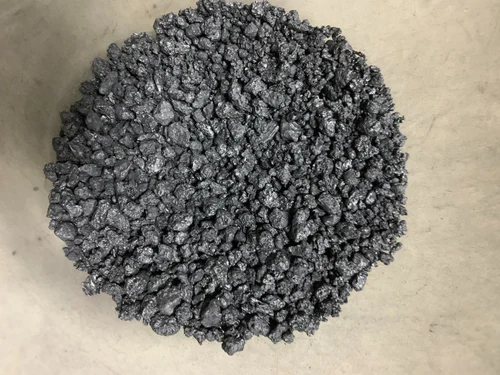
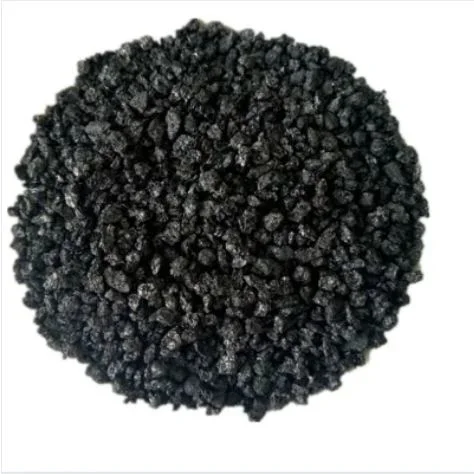
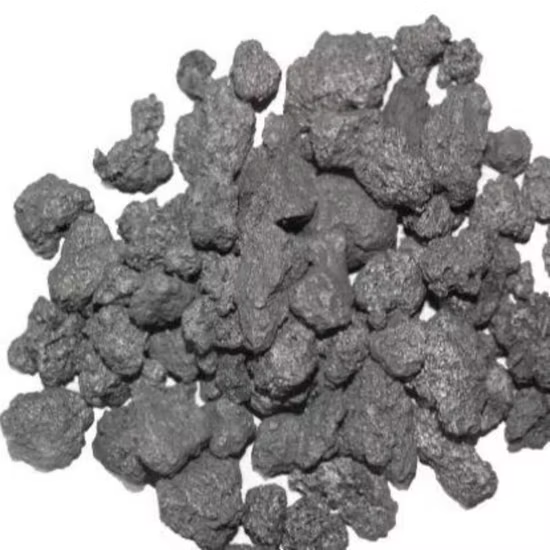
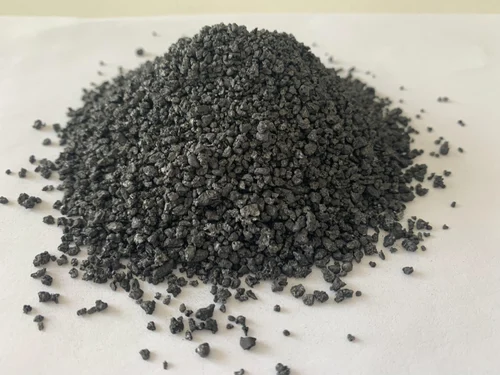
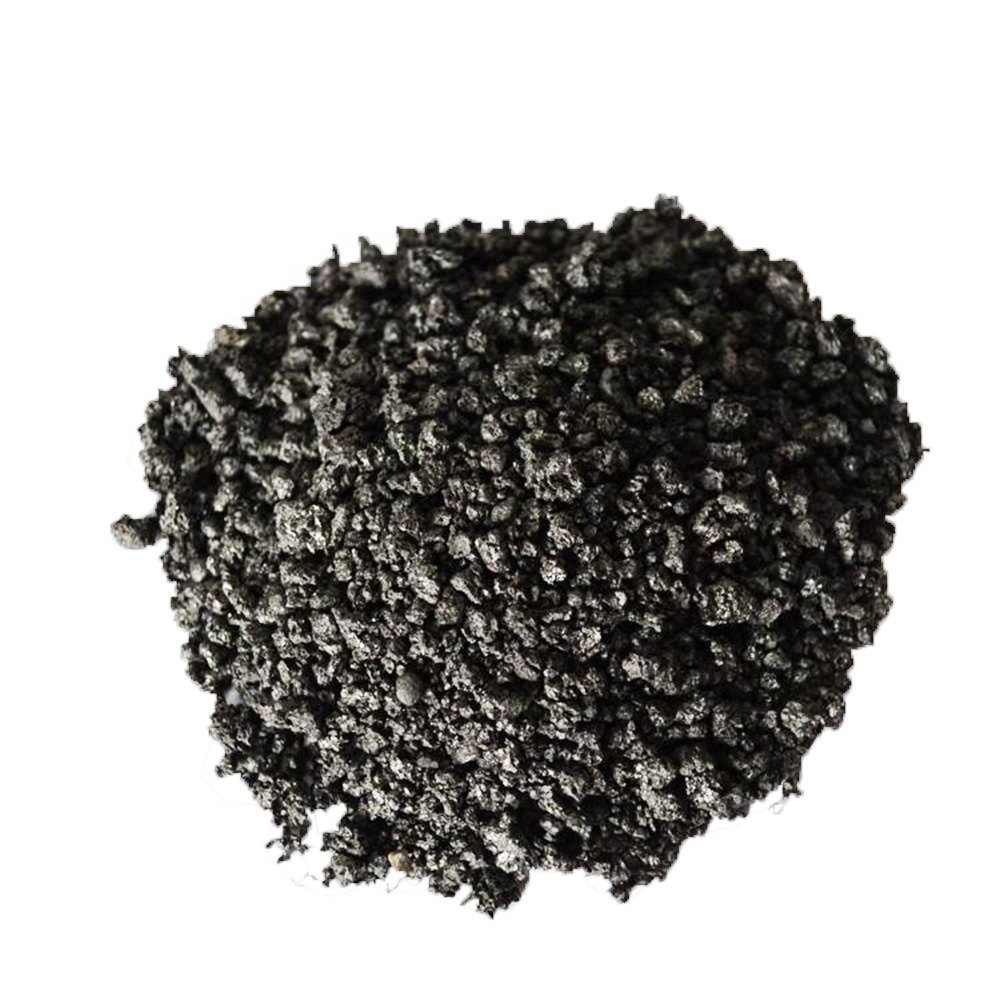
Petroleum Coke – Fuel Grade is a carbon-rich solid material derived from oil refinery coker units during the thermal cracking of residual crude oil fractions. It is primarily used as a high-calorific industrial fuel in cement kilns, power generation plants, and other energy-intensive manufacturing operations.
With its high carbon content and superior heating value, Fuel Grade Petroleum Coke provides a cost-efficient alternative to coal and other conventional fossil fuels. As industries worldwide seek optimized fuel economics and stable energy supply, petroleum coke plays a strategically important role in reducing operational fuel costs while delivering consistent combustion performance.
2. Key Specifications & Technical Characteristics
- Primary Composition:
- Fixed Carbon (typically 80%–90%)
- Volatile Matter
- Sulfur (grade dependent)
- Ash Content
- Moisture
- Gross Calorific Value (GCV): Typically 7,500–8,500 kcal/kg (grade dependent)
- Sulfur Content: Typically 2.5%–6.5% (depending on refinery source)
- Ash Content: Generally 0.5%–1.5%
- Moisture Content: Typically ≤10%
- Form: Solid lumps or crushed granular form
- Color: Black
- Particle Size: Customizable (e.g., 0–10 mm, 10–50 mm, or as required)
- Hardgrove Grindability Index (HGI): Suitable for grinding in industrial mills
- Bulk Density: Approx. 0.8–1.0 MT/m³
- Packaging Options:
- Bulk vessel shipment
- Bulk loose container loading
- 1 MT jumbo bags (on request)
- Shelf Life: Indefinite under dry storage conditions
3. Core Industrial Applications
Primary Industries
- Cement manufacturing
- Thermal power generation
- Lime production
- Brick and ceramic manufacturing
- Industrial boilers and captive power plants
Operational Use Cases
- Primary fuel in rotary cement kilns
- Fuel input for coal-fired power plants (blended or standalone use)
- High-temperature industrial heating applications
- Co-firing with coal to optimize fuel cost structure
Performance & Cost Advantages
Petroleum Coke – Fuel Grade delivers higher calorific value compared to many thermal coal grades, enabling improved energy output per ton of fuel consumed. Its low ash content reduces residue handling and improves kiln efficiency in cement manufacturing.
Compared to imported coal, petroleum coke often provides a more competitive cost per energy unit, supporting improved margins in energy-intensive industries. Its consistent combustion characteristics enable stable thermal performance and predictable operational planning.
4. Competitive Advantages
- Quality Consistency: Sourced from established refinery operations with controlled calorific value and sulfur specifications.
- Supply Reliability: Stable production volumes suitable for long-term industrial fuel contracts.
- Logistics Capability: Bulk vessel shipments and containerized export solutions with global freight coordination.
- Price Competitiveness: Lower cost per kcal compared to many alternative solid fuels.
- Sustainability Positioning: Enables fuel blending strategies that optimize energy efficiency and reduce reliance on higher-ash coal.
- Technical Documentation: Proximate analysis, calorific value reports, and quality certificates available upon request.
Petroleum Coke – Fuel Grade is positioned as a strategic energy sourcing solution for industrial operators seeking fuel cost optimization, reliable supply, and consistent high-heat performance.
5. Commercial & Supply Information
- Minimum Order Quantity (MOQ): Bulk 20 MT
- Loading Capacity:
- 20ft Container: Approx. 20–25 MT
- 40ft Container: Approx. 25–30 MT (subject to transport regulations)
Long-term supply agreements and volume-based pricing structures are available for industrial buyers.


Reviews
There are no reviews yet.