






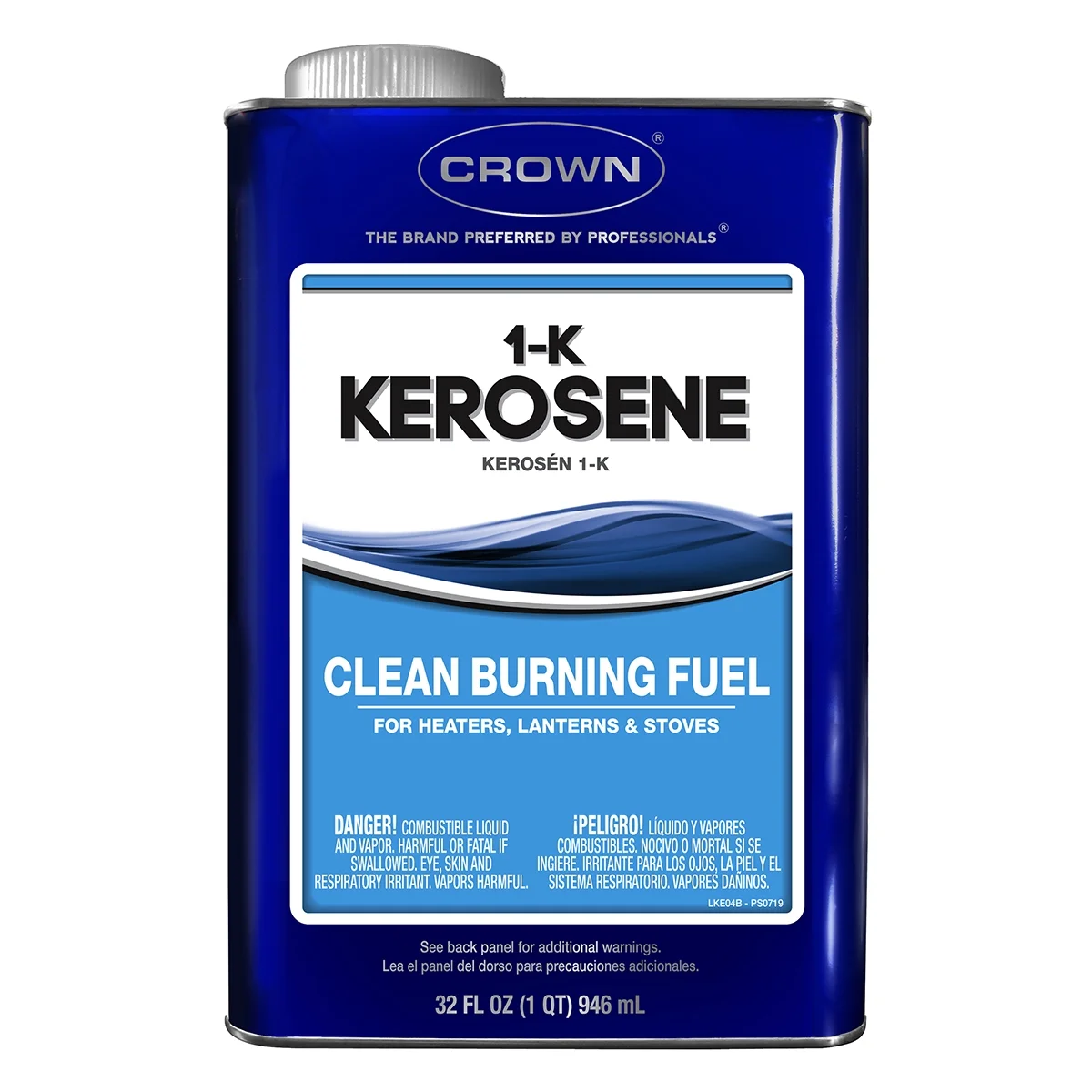


Description
Kerosene: A Versatile Fuel with a Complex History
Kerosene, a thin, clear liquid derived from petroleum, is a fuel with a rich history and a surprisingly diverse range of applications. Once a ubiquitous source of light and heat, its role has evolved over time, but it remains a crucial commodity across the globe, particularly in developing regions.
From Illumination to Jet Propulsion: Kerosene’s Journey
The widespread adoption of kerosene began in the mid-19th century. Before the advent of electricity, kerosene lamps provided a brighter and cleaner-burning alternative to whale oil and other expensive or less effective lighting sources. Its accessibility and lower cost quickly made it the dominant fuel for illumination, powering homes and businesses around the world.
However, with the rise of electric lighting and the invention of the internal combustion engine, kerosene’s role began to shift. While its usage in lamps declined in developed nations, it found new applications. Today, kerosene is perhaps best known as jet fuel, powering the majority of commercial and military aircraft. Its high energy density, relatively low cost, and stable properties make it ideal for this demanding application.
Beyond Aviation: The Diverse Applications of Kerosene
Despite its prominence in aviation, kerosene’s utility extends far beyond the runway:
- Heating and Cooking: In many developing countries, kerosene remains a vital fuel for heating and cooking, particularly in areas where access to electricity and natural gas is limited. Kerosene stoves and heaters are a relatively affordable and readily available option for households and small businesses.
- Cleaning and Solvent: Kerosene’s solvent properties make it useful for cleaning machinery, removing grease and oil, and even controlling insects. It’s often found in industrial settings and used for specialized cleaning tasks.
- Agricultural Applications: In agriculture, kerosene can be used as a herbicide to control weeds or as a cleaning agent for agricultural machinery.
- Flare Fuels: Kerosene is sometimes utilized as a fuel for flares in the oil and gas industry, used for controlled burning of excess gas.
Challenges and Considerations:
While kerosene offers numerous benefits, its use is not without its challenges.
- Environmental Impact: Burning kerosene releases greenhouse gases, contributing to climate change. Additionally, spills and improper disposal can contaminate soil and water.
- Health Concerns: Inhaling kerosene fumes can be harmful, and accidental ingestion can be dangerous, particularly for children.
- Safety: Kerosene is flammable and requires careful handling and storage to prevent fires and explosions.
The Future of Kerosene:
As the world transitions towards more sustainable energy sources, the future of kerosene remains uncertain. While its use as a heating and cooking fuel is likely to decline with the expansion of access to electricity and cleaner alternatives, its role in aviation is expected to persist for the foreseeable future.
Research efforts are underway to develop sustainable aviation fuels (SAF) that can reduce the environmental impact of air travel. These SAF alternatives often utilize bio-based feedstocks or synthetic processes to produce fuels that are chemically similar to kerosene but with a significantly lower carbon footprint.
Conclusion:
Kerosene has played a transformative role in shaping the modern world, from illuminating homes to powering jet engines. While its usage patterns are evolving, its versatility continues to make it a significant resource in various sectors. Addressing the environmental and health challenges associated with its use is crucial as we strive towards a more sustainable future. The ongoing development and adoption of sustainable alternatives will ultimately determine the long-term role of kerosene in the global energy landscape.




Reviews
There are no reviews yet.