
Description
Isophthalic Acid: A Versatile Building Block in the Polymer World
Isophthalic acid (IPA) is an aromatic dicarboxylic acid, meaning it’s a molecule containing a benzene ring with two carboxylic acid (-COOH) groups attached. What sets IPA apart from its isomers, terephthalic acid (TPA) and phthalic acid, is the position of these carboxylic acid groups: they are located at the 1 and 3 positions of the benzene ring. This seemingly minor difference in structure gives IPA unique properties and makes it a valuable building block in a wide range of applications, particularly in the production of polymers.
Properties of Isophthalic Acid:
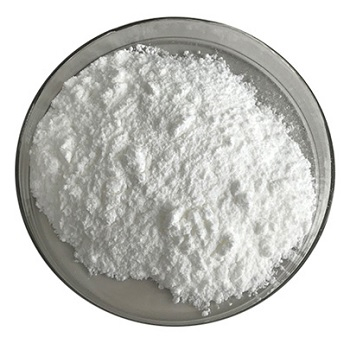
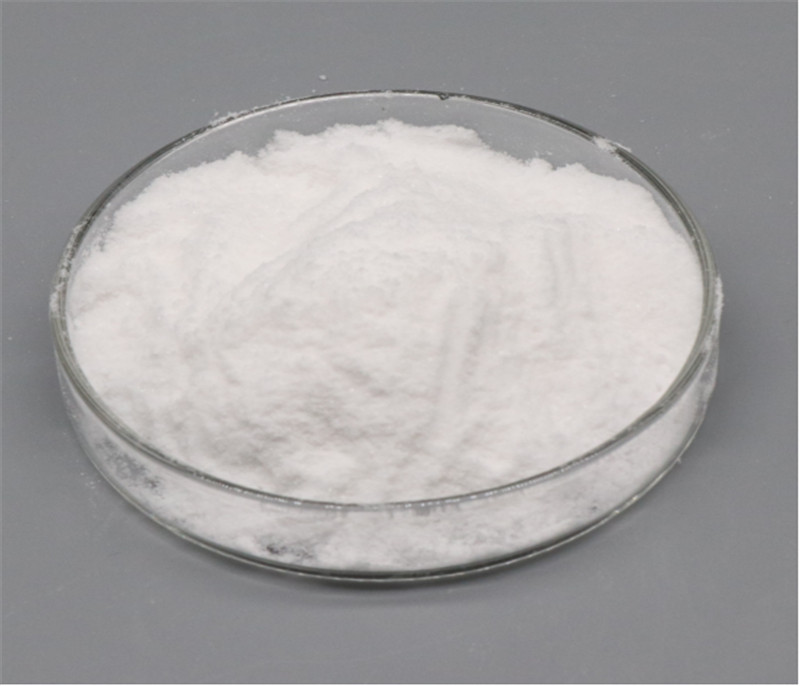
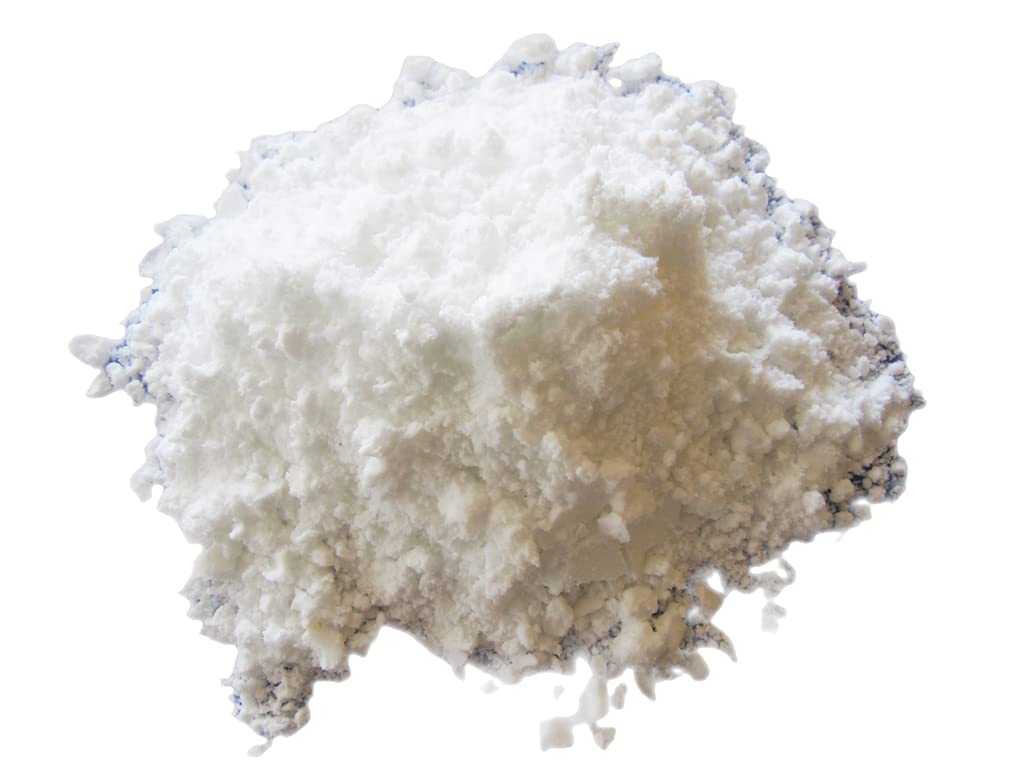
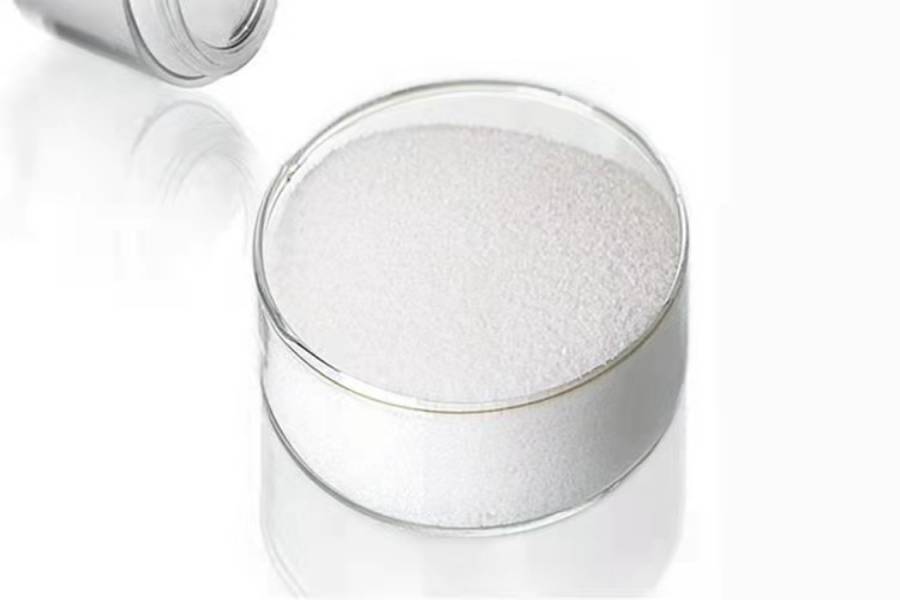
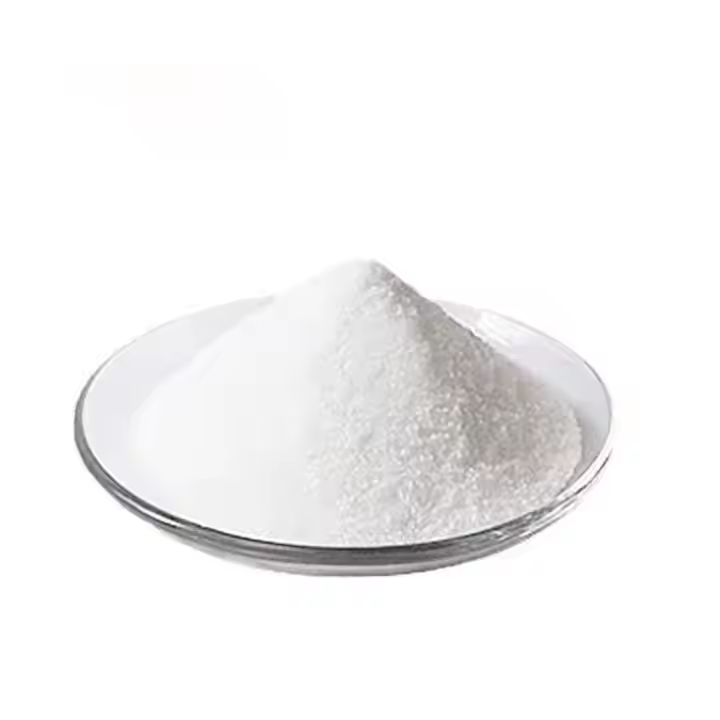
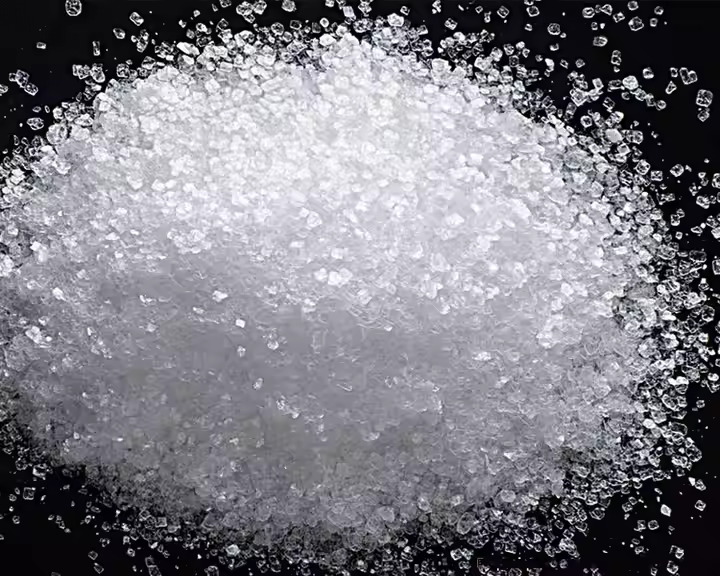
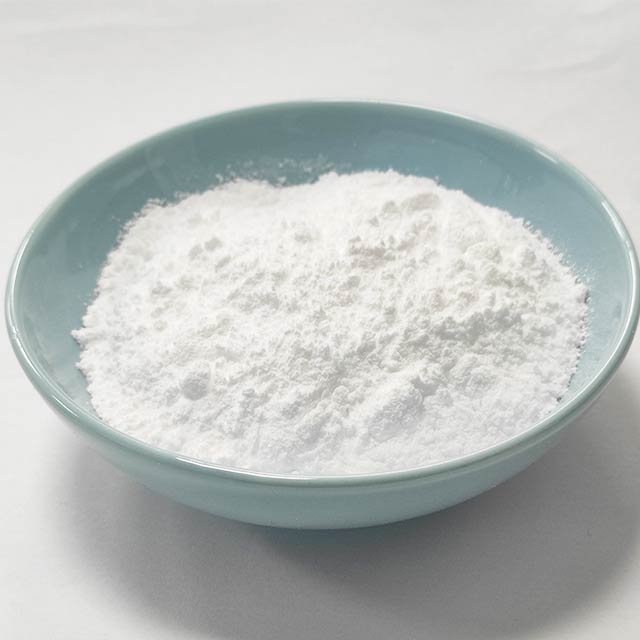
IPA is a white, crystalline solid that is sparingly soluble in water but more readily soluble in polar organic solvents like alcohols and ketones. Its key properties that make it desirable in industrial applications include:
- High Chemical Resistance: IPA imparts excellent resistance to chemicals, weathering, and hydrolysis to the polymers it’s incorporated into.
- Improved Flexibility: Compared to polymers made solely with TPA, IPA-modified polymers exhibit increased flexibility and toughness, making them less brittle.
- Enhanced Adhesion: IPA can improve the adhesion properties of coatings and adhesives.
- Lower Melting Point: Incorporating IPA into polymers can lower the melting point, making processing easier.
Applications of Isophthalic Acid:
These properties translate into a diverse range of applications for IPA:
- Unsaturated Polyester Resins (UPR): This is the most significant application of IPA. It’s used as a comonomer in UPRs, improving their flexibility, chemical resistance, and durability. UPRs are widely used in fiberglass-reinforced plastics for applications like boat hulls, automotive parts, and construction materials.
- Alkyd Resins: IPA is used in alkyd paints and coatings to enhance their gloss, hardness, and resistance to weathering and chemicals. This makes them suitable for industrial coatings, automotive finishes, and architectural paints.
- Polyester Polyols: IPA is used in the synthesis of polyester polyols, which are key components of polyurethane foams, adhesives, and coatings. IPA improves the polyols’ hydrolytic stability and overall performance.
- Powder Coatings: IPA modifies the properties of powder coatings, improving their flow, gloss, and adhesion to substrates.
- Specialty Polymers: IPA can be incorporated into various specialty polymers to tailor their properties for specific applications. These include adhesives, sealants, and even certain pharmaceutical applications.
Production of Isophthalic Acid:
IPA is typically produced by the oxidation of m-xylene, a petroleum-derived product. The oxidation process is often catalyzed by cobalt and manganese catalysts, utilizing air as the oxidant. The crude IPA is then purified through various techniques, including hydrogenation and crystallization, to achieve the desired purity for its intended applications.
Benefits of Using IPA:
- Improved Polymer Performance: As mentioned, IPA enhances the properties of the polymers it’s incorporated into, leading to improved performance and longevity of the final products.
- Versatility: Its wide range of applications demonstrates its versatility as a building block for diverse polymer systems.
- Cost-Effectiveness: While not the cheapest dicarboxylic acid, IPA provides a valuable balance of performance and cost, making it an attractive option for many applications.
Conclusion:
Isophthalic acid, despite its simple molecular structure, plays a crucial role in the world of polymers. Its ability to enhance flexibility, chemical resistance, and adhesion makes it a vital component in numerous industrial applications. From durable boat hulls to weather-resistant coatings, IPA contributes to the performance and longevity of countless everyday products, solidifying its position as a versatile and valuable chemical building block. As research continues and new applications emerge, the future of isophthalic acid looks bright.

Reviews
There are no reviews yet.