
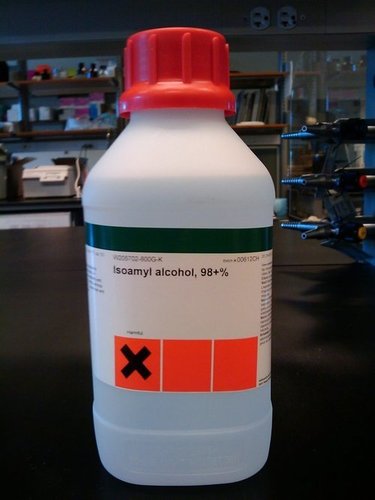
Description
Isoamyl Alcohol: A Versatile Chemical Compound with Unexpected Applications
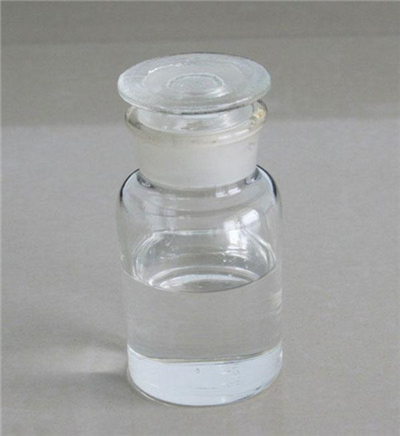
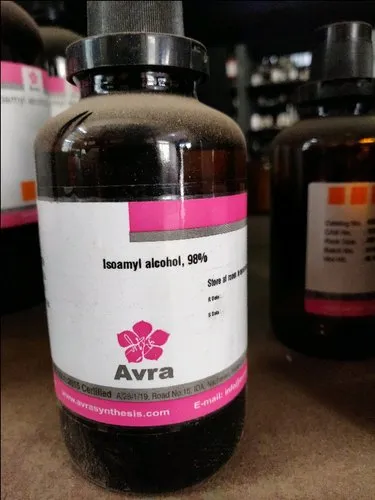
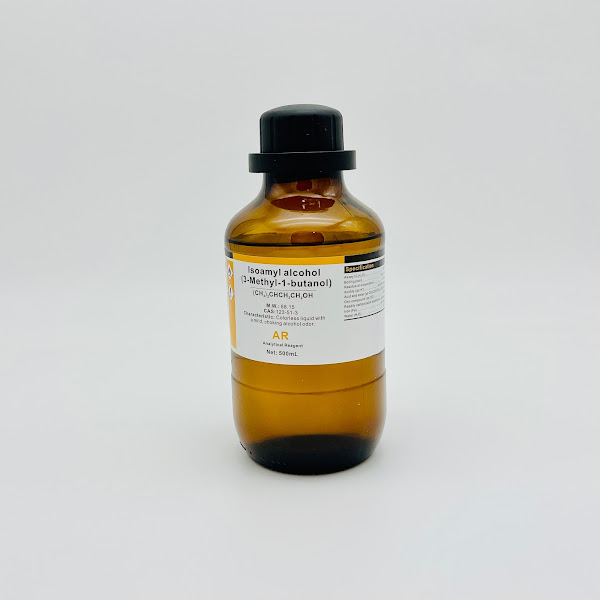
Isoamyl alcohol, also known as isopentyl alcohol or 3-methyl-1-butanol, is a colorless liquid with a characteristic, slightly pungent odor. This organic compound belongs to the class of alcohols and is a common byproduct of fermentation, often associated with the aroma of some alcoholic beverages. However, isoamyl alcohol’s applications extend far beyond the realms of brewing and distilling, making it a versatile chemical with a wide range of uses in various industries.
What is Isoamyl Alcohol?
Chemically, isoamyl alcohol is a branched-chain five-carbon alcohol. Its formula is (CH3)2CHCH2CH2OH. It is an isomer of pentyl alcohol, meaning it has the same chemical formula but a different arrangement of atoms. This seemingly small difference in structure gives isoamyl alcohol its unique set of properties.
Where Does It Come From?
Isoamyl alcohol is naturally produced during the fermentation of sugars and carbohydrates by yeasts and bacteria. It’s a fusel alcohol, a term used to describe a group of higher alcohols that are formed in small quantities during fermentation alongside ethanol. These fusel alcohols contribute to the complex aroma and flavor profiles of fermented beverages like beer, wine, and whiskey. However, in industrial settings, isoamyl alcohol is typically produced synthetically through chemical processes.
Applications of Isoamyl Alcohol:
The unique properties of isoamyl alcohol make it a valuable chemical compound in several industries:
- Solvent: Isoamyl alcohol is an excellent solvent for a variety of organic compounds, including fats, oils, resins, and waxes. This makes it a useful ingredient in adhesives, paints, varnishes, and cleaning products. Its ability to dissolve non-polar substances makes it a preferred solvent in many laboratory and industrial applications.
- Flavoring Agent: As mentioned earlier, isoamyl alcohol is a naturally occurring flavor compound in fermented beverages. However, it is also used as a flavoring agent in food and fragrance industries. It imparts a fruity, banana-like flavor and aroma to products like candy, ice cream, and baked goods.
- Pharmaceuticals: Isoamyl alcohol is used as a solvent in the synthesis of certain pharmaceuticals. Its dissolving properties and relative safety make it a suitable choice for extracting and purifying medicinal compounds.
- Chemical Intermediate: Isoamyl alcohol serves as a building block in the synthesis of other chemical compounds. It can be converted into esters, which are used as solvents, plasticizers, and fragrances. One common ester derived from isoamyl alcohol is isoamyl acetate, also known as banana oil, which is used extensively in the flavoring and fragrance industries.
- Photography: In the past, isoamyl alcohol was used in photography as a component of certain developers and fixers. While its use in this area has declined with the advent of digital photography, it highlights the historical versatility of this chemical.
Safety Considerations:
While isoamyl alcohol is generally considered to have low toxicity, it’s important to handle it with care. Like other alcohols, it is flammable and can cause irritation to the skin, eyes, and respiratory system upon prolonged exposure. When working with isoamyl alcohol, it is recommended to wear appropriate personal protective equipment, such as gloves and eye protection, and to ensure adequate ventilation.
Conclusion:
Isoamyl alcohol is more than just a byproduct of fermentation. It is a versatile chemical compound with diverse applications spanning various industries. From its role as a solvent and flavoring agent to its use in pharmaceuticals and chemical synthesis, isoamyl alcohol continues to be a valuable ingredient in modern manufacturing and research. Its unique properties and relatively low toxicity make it a chemical compound worthy of continued study and application. As research continues, we can expect to see even more innovative uses for this surprisingly versatile alcohol.



Reviews
There are no reviews yet.