
Description
1. Product Overview
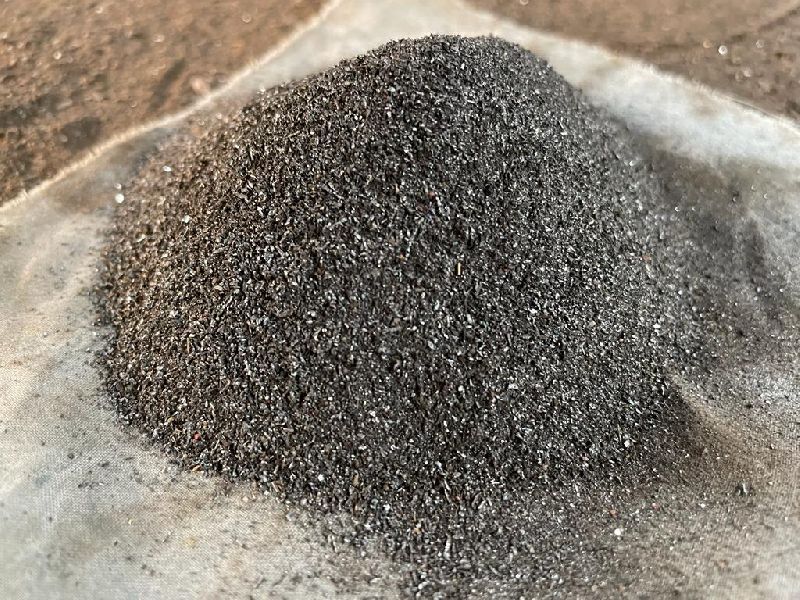
Iron Powder Residue is a high-metal-content byproduct generated from machining, grinding, and metal processing operations. It serves as a cost-efficient secondary raw material primarily used in steelmaking, powder metallurgy, sintering, and recycling applications. With significant iron content and strong re-melt value, this material provides industrial buyers with an economically viable alternative to primary iron feedstock. As global industries prioritize cost control and circular resource utilization, Iron Powder Residue plays a strategically important role in sustainable metal recovery and production efficiency.
2. Key Specifications & Technical Characteristics
- Chemical Composition:
- Predominantly iron (Fe)
- May contain trace elements such as carbon, silicon, manganese, or alloying residues depending on source
- Purity Level:
- Typical iron content: 80%–98% (subject to grade and origin)
- Controlled impurity levels to support remelting and metallurgical applications
- Physical Characteristics:
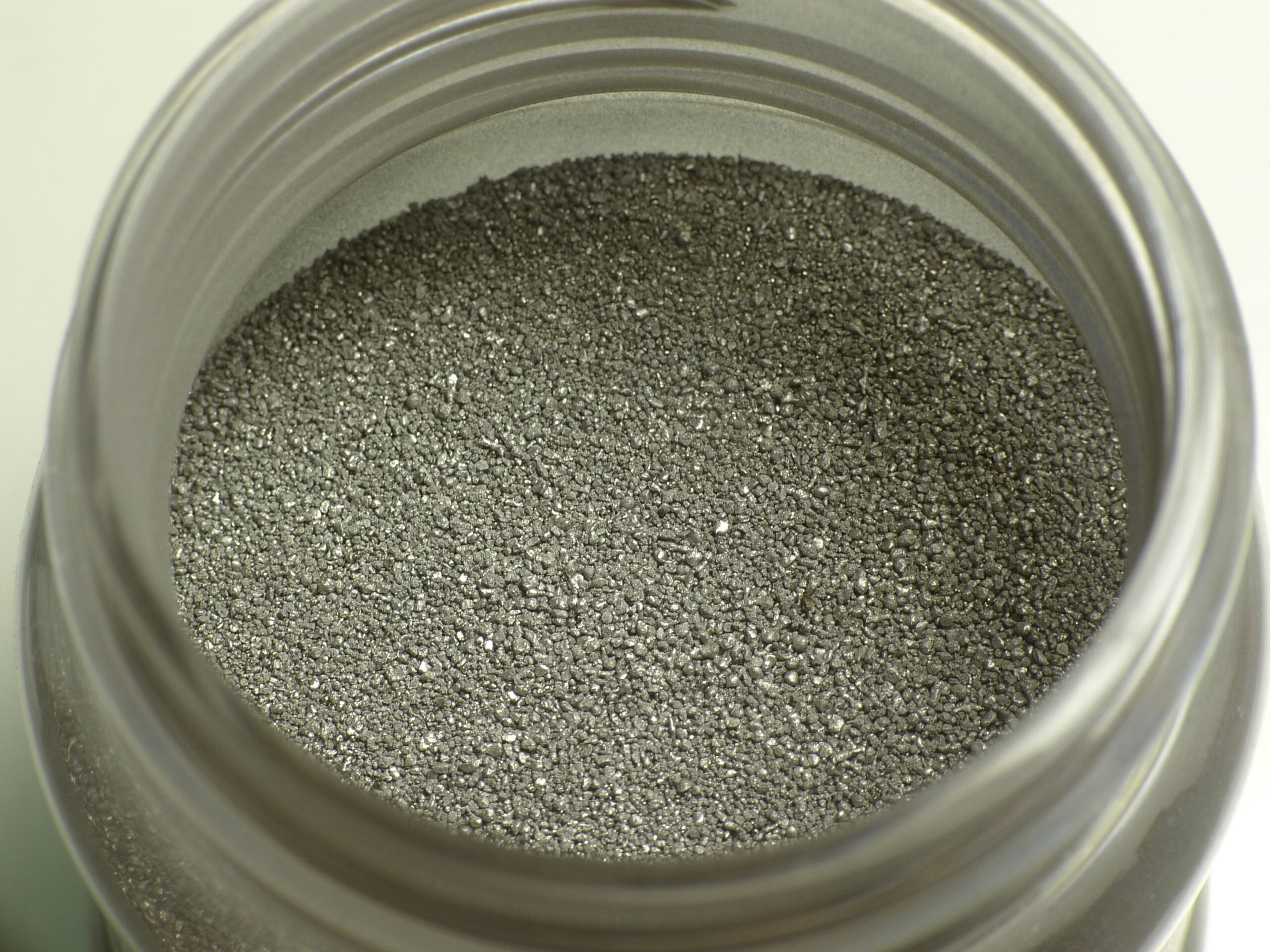
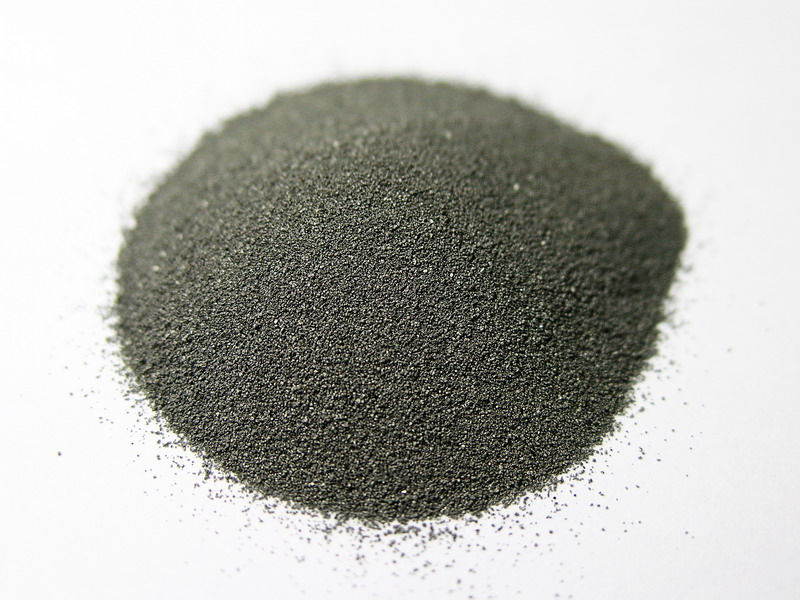
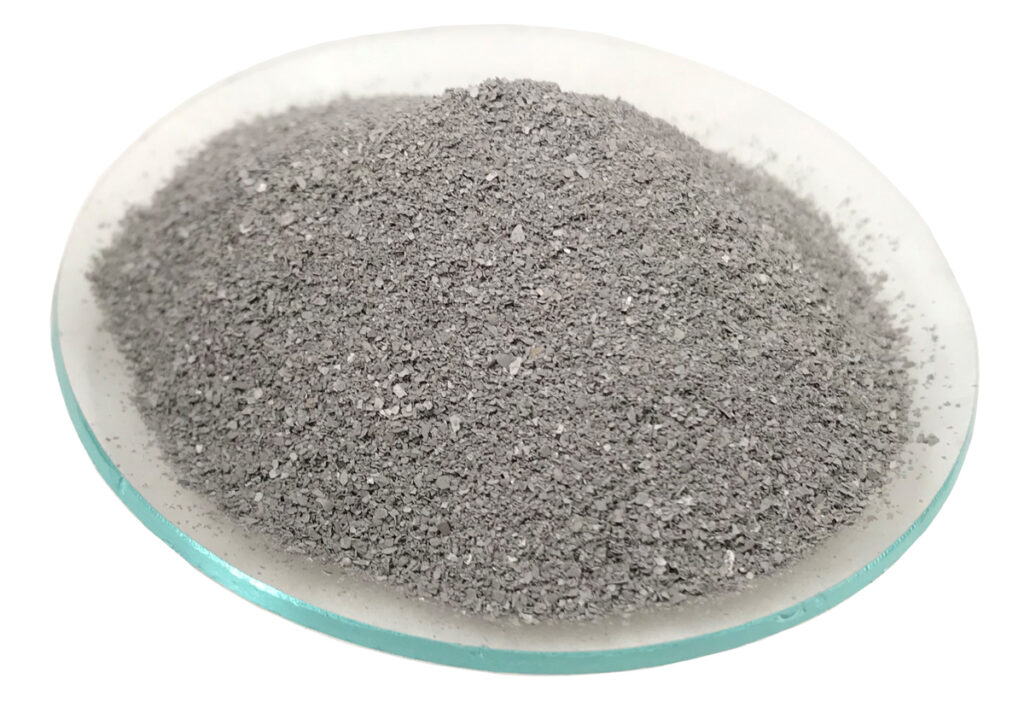
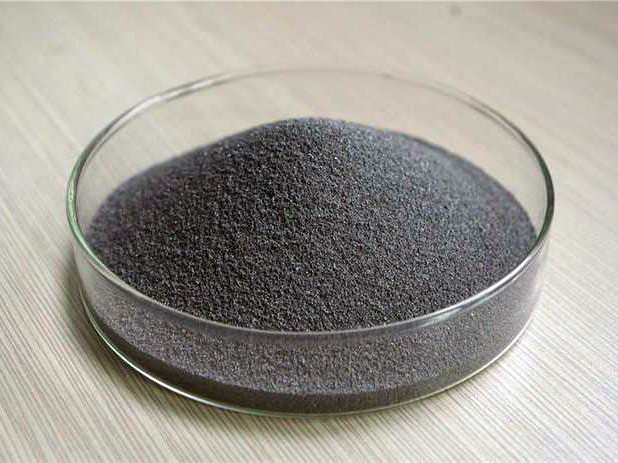
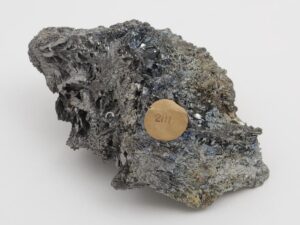
- Form: Fine metallic powder or granular residue
- Color: Dark gray to black metallic appearance
- Particle Size: Typically ranges from 50 microns to 2 mm (custom sizing available)
- Bulk Density: Approx. 2.5–4.0 g/cm³ (varies based on compaction and particle distribution)
- Magnetic Properties: Strong ferromagnetic characteristics
- Packaging Options:
- Bulk jumbo bags (1 MT)
- Sealed industrial-grade sacks
- Loose bulk loading for containerized shipment
- Shelf Life:
- Stable under dry storage conditions; moisture control recommended to prevent oxidation
3. Core Industrial Applications
- Primary Industries:
- Steel manufacturing
- Powder metallurgy
- Foundries and casting operations
- Metal recycling facilities
- Construction materials production
- Specific Operational Use Cases:
- Steel & Furnace Feedstock: Used in electric arc furnaces (EAF) and induction furnaces as a supplemental iron source.
- Powder Metallurgy: Applied in sintering and compacting processes for producing structural components and machine parts.
- Metal Recovery & Recycling: Efficiently reprocessed to extract high-value iron content for reuse in manufacturing cycles.
- Cement & Construction Additives: Utilized in specialized applications requiring iron-rich fillers.
- Performance Advantages:
- Cost Efficiency: Lower procurement cost compared to virgin iron ore or primary pig iron.
- High Recyclability: Excellent melt performance and material recovery rate.
- Operational Flexibility: Compatible with various furnace types and metallurgical systems.
- Waste Reduction: Converts industrial byproduct into valuable production input.
4. Competitive Advantages
- Quality Consistency: Carefully collected, magnetically separated, and processed to ensure uniform particle size and high iron concentration.
- Supply Reliability: Stable bulk availability supported by established sourcing channels and scalable production capacity.
- Logistics Capability: Efficient bulk handling and containerized export solutions optimized for international industrial buyers.
- Price Competitiveness: Structurally lower cost base compared to primary iron inputs, enhancing procurement margins.
- Sustainability: Supports circular economy initiatives by reducing landfill waste and minimizing reliance on virgin mining operations.
- Technical Support & Documentation: Material analysis reports, composition certificates, and technical data sheets available upon request.
5. Commercial & Supply Information
- Minimum Order Quantity (MOQ): BULK 20MT
- Loading Capacity: 20–25MT per 40-foot container, depending on packaging and material density.
Reviews
There are no reviews yet.