
Description
1. What Exactly Are “Iron Oxide Fines”?
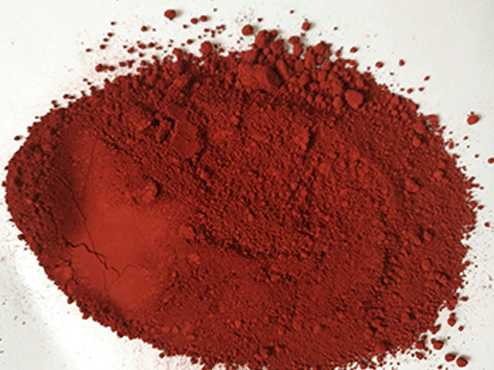
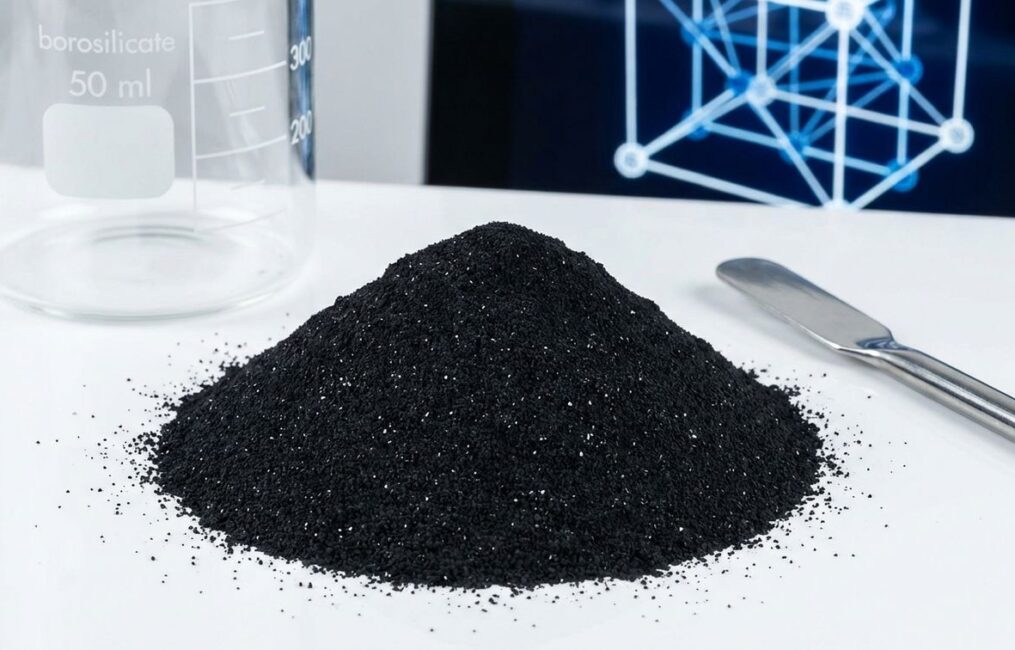
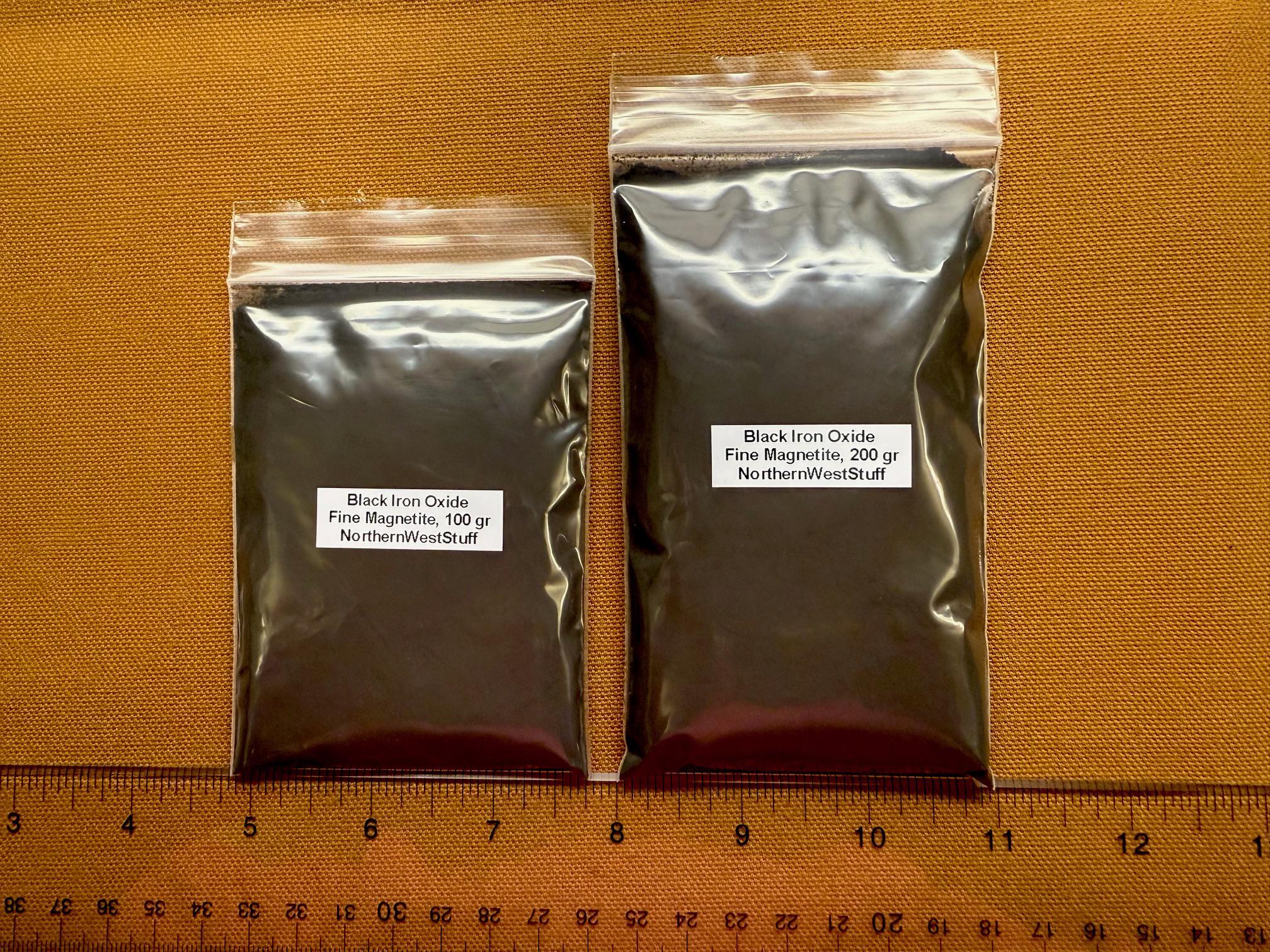
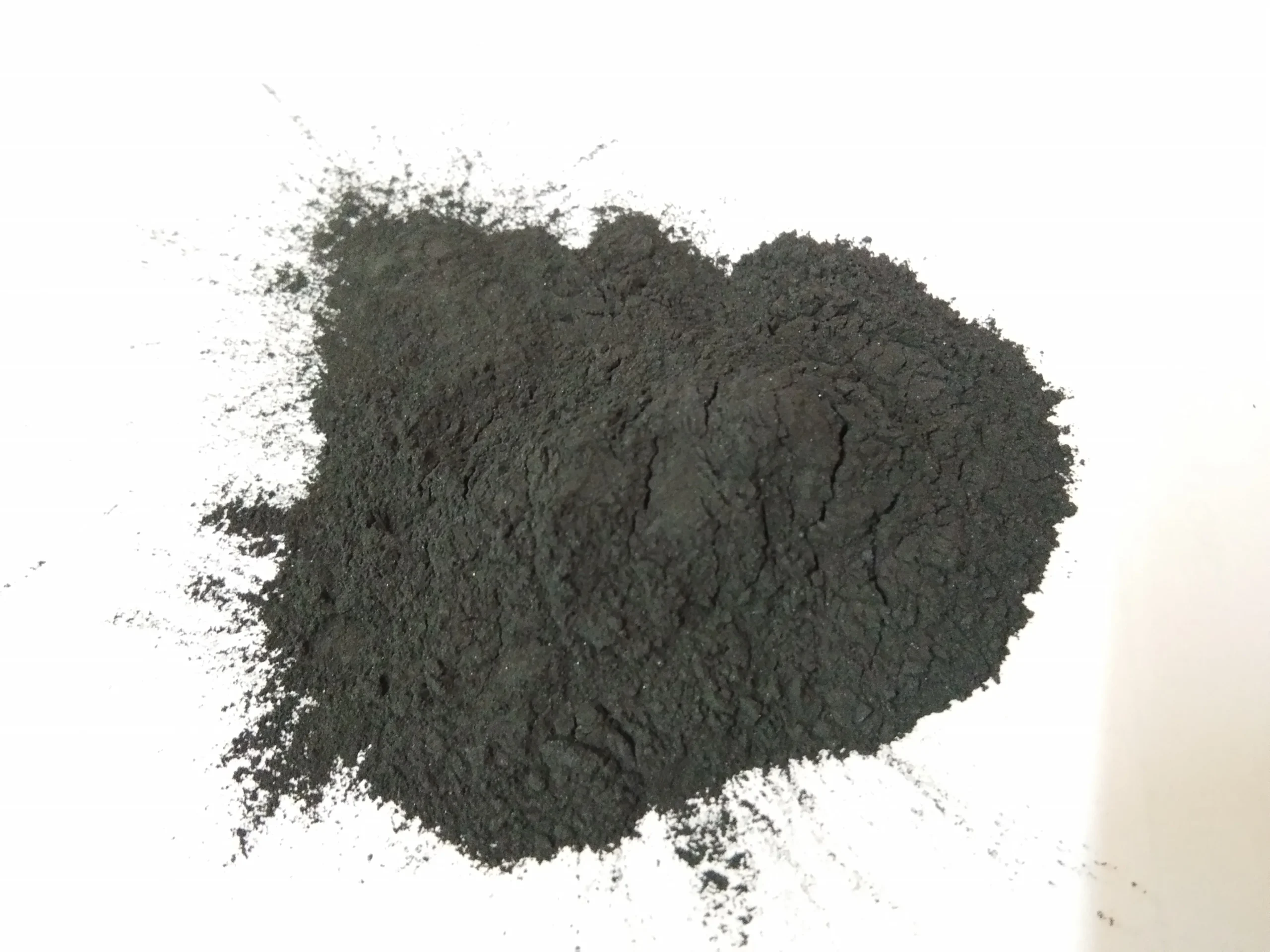
Iron oxide fines are ultra‑fine particles (typically < 100 µm, often down to the sub‑micron range) of iron‑based oxides such as:
| Oxide | Common Color | Typical Formula | Typical Particle Size |
|---|---|---|---|
| Magnetite | Black | Fe₃O₄ | 10‑80 µm (often 1‑5 µm for fines) |
| Hematite | Red‑brown | Fe₂O₃ | 5‑60 µm |
| Goethite | Yellow‑brown | α‑FeO(OH) | 2‑30 µm |
| Wüstite | Dark gray | FeO | 1‑20 µm |
These particles are “fines” because they are intentionally milled or ground to a size that maximizes surface area while still being manageable in bulk handling. The high surface‑to‑volume ratio gives them unique physical, chemical, and magnetic properties that differ markedly from their coarse‑grained counterparts.
2. How Are Iron Oxide Fines Produced?
| Step | Typical Method | Key Points |
|---|---|---|
| Raw Material Prep | Mining of iron‑bearing ores (taconite, limonite, laterite) or recycling of steel scrap | Purity influences colour consistency. |
| Crushing & Primary Grinding | Jaw, cone, or roll crushers → 2‑5 mm | Reduces ore to a size suitable for downstream processing. |
| Fine Grinding | Ball mills, vertical roller mills, or high‑pressure grinding rolls (HPGR) | Achieves sub‑100 µm; often followed by jet‑mill or attrition‑mill for sub‑10 µm. |
| Classification & Separation | Air classifiers, hydrocyclones, magnetic separators | Isolates the finest fraction and removes unwanted gangue. |
| Surface Treatment (optional) | Coating with silica, alumina, or organic surfactants | Improves dispersibility, prevents agglomeration, tailors reactivity. |
| Drying & Packaging | Fluid‑bed dryers, inert‑gas sealing | Prevents oxidation state changes and moisture uptake. |
Pro tip: The most consistent colour and magnetic response are obtained from wet milling followed by high‑energy jet milling, because the process limits oxidation/reduction swings that can otherwise shift the Fe²⁺/Fe³⁺ balance.
3. Why Do the Fines Matter? – Key Properties
| Property | How Fines Influence It | Typical Application |
|---|---|---|
| Surface Area | 10–30 m²/g (vs. <1 m²/g for coarse ore) | Catalysis, pigment dispersion |
| Magnetic Susceptibility | Higher coercivity for magnetite fines | Magnetic inks, data storage, MRI contrast |
| Colour Intensity | More uniform pigment particles → deeper, more stable hues | Paints, coatings, cosmetics |
| Reactivity | More Fe²⁺ sites → stronger redox activity | Water treatment, soil remediation |
| Flowability | Fine particles can be engineered for free‑flowing powders (via surface modification) | Powder metallurgy, additive manufacturing |
4. Major Industries Leveraging Iron Oxide Fines
4.1 Pigments & Coatings
- Architectural paints – “Ferric oxide red” offers UV‑stable colour that won’t fade.
- Cosmetics – “Iron oxide black” is FDA‑approved for skin‑contact products.
- Printing inks – Magnetic inks for security features rely on magnetite fines.
4.2 Magnetic Materials
- Data storage – High‑density magnetic tapes and hard‑disk media use nano‑magnetite as the recording layer.
- Magnetorheological fluids – Fine magnetite particles suspended in silicone oil produce controllable viscosity for automotive dampers.
- MRI contrast agents – Superparamagnetic iron oxide nanoparticles (SPIONs) are essentially engineered iron oxide fines.
4.3 Catalysis & Environmental Remediation
- Fenton‑like processes – Hematite fines catalyze H₂O₂ decomposition to generate •OH radicals for wastewater treatment.
- Groundwater remediation – Magnetite fines act as electron donors, reducing chlorinated solvents (e.g., TCE) to harmless products.
- CO₂ capture – Iron oxide surfaces can be functionalized to adsorb CO₂ at modest temperatures.
4.4 Abrasives & Polishing
- Micro‑finishing – 0.5‑2 µm magnetite powders polish optical lenses, semiconductor wafers, and hard metals without scratching.
- Metal polishing – Fine hematite slurries remove burrs and produce mirror finishes on stainless steel.
4.5 Additive Manufacturing (Metal 3D Printing)
- Powder bed fusion – Adding a small fraction of iron oxide fines improves laser absorptivity and reduces powder oxidation, yielding denser parts.
5. Handling & Safety – Best Practices
| Issue | Recommended Control |
|---|---|
| Dust generation | Use local exhaust ventilation (LEV), dust collection hoods, and wear N‑95/FFP2 respirators. |
| Fire/Explosion | Iron oxide itself isn’t flammable, but fine powders can become dispersed ignitable dust when mixed with organics. Keep away from open flames. |
| Inhalation health | Chronic exposure to respirable iron oxide may cause siderosis (benign pneumoconiosis). Implement routine air‑monitoring. |
| Environmental discharge | Prevent runoff to waterways; iron oxides can affect aquatic pH and oxygen demand if released in large volumes. |
| Storage | Store in sealed, moisture‑proof containers. For magnetite fines, keep away from strong magnetic fields that could cause segregation. |
6. Market Snapshot (2024‑2025)
| Metric | Value | Trend |
|---|---|---|
| Global iron oxide pigment market | US$ 2.9 bn (2024) | CAGR ≈ 4.2 % (2024‑2030) |
| Magnetite fine powders for MR fluids | US$ 150 m (2024) | CAGR ≈ 7 % (2024‑2029) |
| SPIONs (medical grade) market | US$ 620 m (2024) | CAGR ≈ 10 % (2024‑2032) |
| Environmental remediation demand | 2.2 Mt of magnetite fines per year (2024) | Growing 5‑6 % YoY, driven by stricter groundwater standards. |
Key drivers: stricter environmental regulations, rise of renewable‑energy‑compatible coatings, and the expanding nanomedicine sector.
7. Emerging Innovations
- Hybrid Iron Oxide‑Carbon Nanocomposites – Combining ultra‑fine magnetite with graphene improves conductivity for next‑gen electrodes (Li‑ion, sodium‑ion).
- Bio‑templated Synthesis – Using bacterial siderophores to control particle size and morphology, producing “biogenic” iron oxide fines with reduced energy input.
- Smart Pigments – Embedding magnetite fines into polymer matrices that change colour under a magnetic field – a potential route to adaptive camouflage or dynamic signage.
- Circular Economy Approaches – Recovering iron oxide fines from steel‑making slag using high‑pressure leaching, turning waste into high‑value pigments.
8. Practical Tips for Purchasing & Using Iron Oxide Fines
| Decision Point | What to Look For |
|---|---|
| Particle size distribution (PSD) | Verify a narrow PSD (e.g., D₅₀ = 3 µm ± 0.5 µm) for colour consistency. |
| Phase purity | XRD or Mössbauer spectroscopy should confirm > 95 % of the target oxide (magnetite vs. hematite). |
| Surface treatment | For dispersion in water‑based paints, a silica coating (≈ 0.5 wt %) reduces agglomeration. |
| Bulk density | Typical loose bulk density: 0.9‑1.1 g/cm³ (magnetite) – important for logistics and hopper design. |
| Regulatory compliance | Ensure the product meets REACH (EU), TSCA (USA), and any specific cosmetic or medical standards if applicable. |
9. The Bottom Line
Iron oxide fines may be tiny, but they are powerhouses of functionality. Their high surface area, magnetic responsiveness, and vibrant colour make them indispensable across pigments, high‑tech magnetics, environmental clean‑up, and advanced manufacturing. As sustainability pressures mount and nano‑engineered applications proliferate, the demand for well‑characterized, responsibly produced iron oxide fines will only accelerate.
Ready to incorporate iron oxide fines into your next project?
Reach out to reputable suppliers, request a detailed spec sheet (including PSD, phase analysis, and safety data), and run a small‑scale trial to fine‑tune dispersion or magnetic performance before scaling up.
Reviews
There are no reviews yet.