
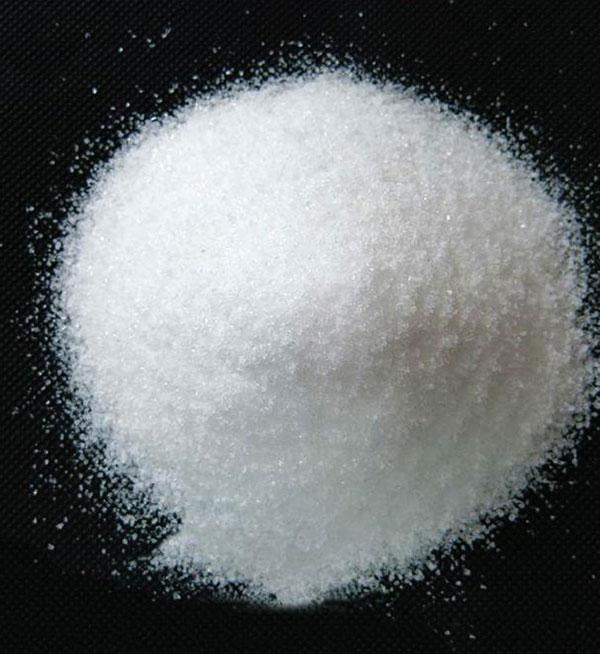
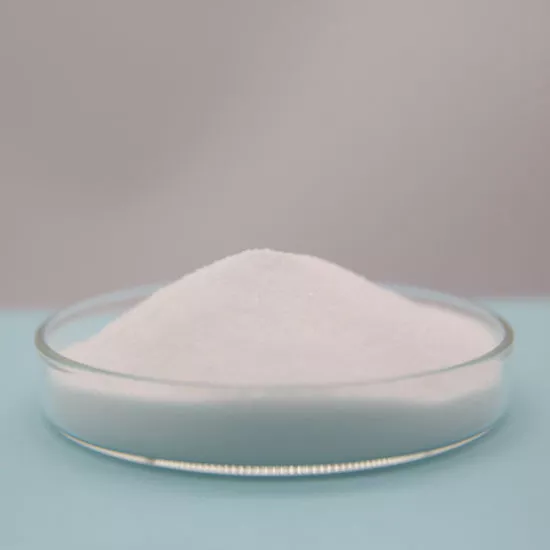
Description
Iminodiacetic Acid: A Versatile Chelating Agent with Diverse Applications
Iminodiacetic acid (IDA), also known as di(carboxymethyl)amine, is a fascinating organic compound with a simple yet powerful structure. Its defining characteristic is its ability to act as a chelating agent, meaning it can bind to metal ions via more than one coordinate bond, forming stable, ring-like complexes. This property makes IDA a crucial component in various industrial, analytical, and environmental applications.
Understanding the Chemistry:
The molecular formula of IDA is HOOCCH₂NHCH₂COOH. As the name suggests, it’s an imine derivative containing two acetic acid groups attached to a central nitrogen atom. This structure allows IDA to donate electrons from the nitrogen and the two carboxyl groups to a metal ion, creating a stable chelate complex. The strength and stability of the resulting complex depend on factors like the specific metal ion, pH, and the presence of other ligands.
Key Applications of Iminodiacetic Acid:
IDA’s chelating ability has led to its widespread use in diverse fields:
- Metal Extraction and Recovery: IDA is a key component in processes designed to selectively extract and recover valuable metals from ores, industrial wastewater, and even recycled materials. By binding to specific target metals, IDA facilitates their separation from complex mixtures. This is particularly important in the recovery of rare earth elements (REEs) and precious metals.
- Water Treatment: IDA-based resins are commonly used in water softening and purification systems. They effectively remove heavy metals such as lead, cadmium, and mercury from contaminated water sources, ensuring the safety of drinking water and protecting aquatic ecosystems.
- Analytical Chemistry: IDA serves as a valuable reagent in analytical chemistry for the determination and separation of metal ions. It can be used in techniques like ion chromatography and spectrophotometry to identify and quantify trace amounts of metals in various samples.
- Pharmaceuticals and Medicine: In the pharmaceutical industry, IDA is utilized as a linker in the synthesis of drug candidates and diagnostic imaging agents. Its ability to bind to metals enables the creation of targeted therapies and contrast agents for medical imaging techniques like MRI.
- Catalysis: IDA-derived ligands are often incorporated into catalytic systems to enhance the activity and selectivity of metal catalysts. The chelating properties of IDA can stabilize the metal center and influence the reaction pathway, leading to more efficient and environmentally friendly chemical processes.
- Surface Modification: IDA can be grafted onto surfaces to create metal-binding coatings. These coatings find applications in biosensors, microfluidic devices, and materials for controlled release of metal ions.
Environmental Considerations:
While IDA boasts numerous benefits, it’s essential to consider its environmental impact. IDA is biodegradable, but its breakdown rate can vary depending on the environmental conditions. Proper waste management and treatment strategies are crucial to prevent the release of IDA and its metal complexes into the environment, which could potentially impact aquatic organisms.
Looking Ahead:
As research continues, we can expect to see even more innovative applications of IDA emerge. Its versatility as a chelating agent, coupled with advancements in materials science and chemical engineering, promises to unlock new possibilities for IDA in areas such as:
- Green Chemistry: Developing sustainable processes that utilize IDA as a biodegradable and environmentally friendly alternative to traditional chelating agents.
- Nanotechnology: Designing IDA-based nanomaterials for targeted drug delivery, biosensing, and environmental remediation.
- Sustainable Mining: Optimizing IDA-based extraction techniques for the efficient and environmentally responsible recovery of valuable metals from secondary resources.
In conclusion, iminodiacetic acid is a remarkable compound with a wide array of applications spanning various industries. Its ability to selectively bind to metal ions makes it an invaluable tool for metal extraction, water treatment, analytical chemistry, and more. As we strive for more sustainable and efficient technologies, IDA’s versatility will undoubtedly continue to play a significant role in shaping the future of chemistry and materials science.


Reviews
There are no reviews yet.