
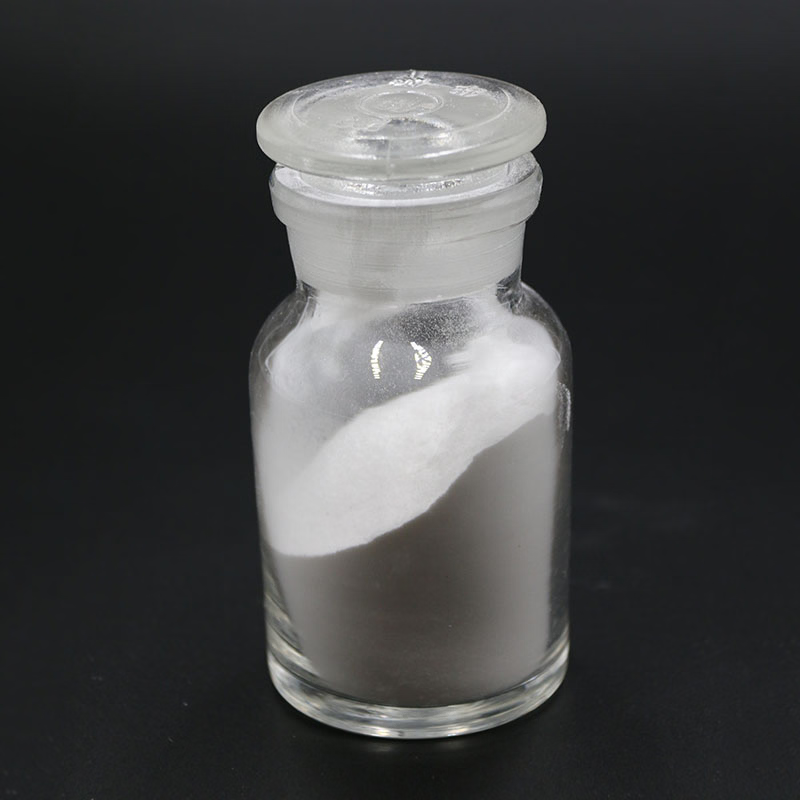
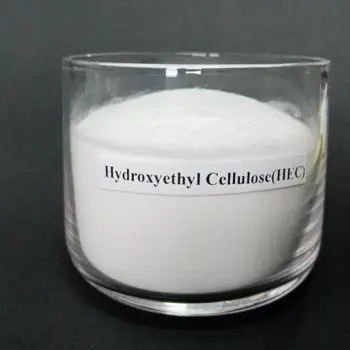
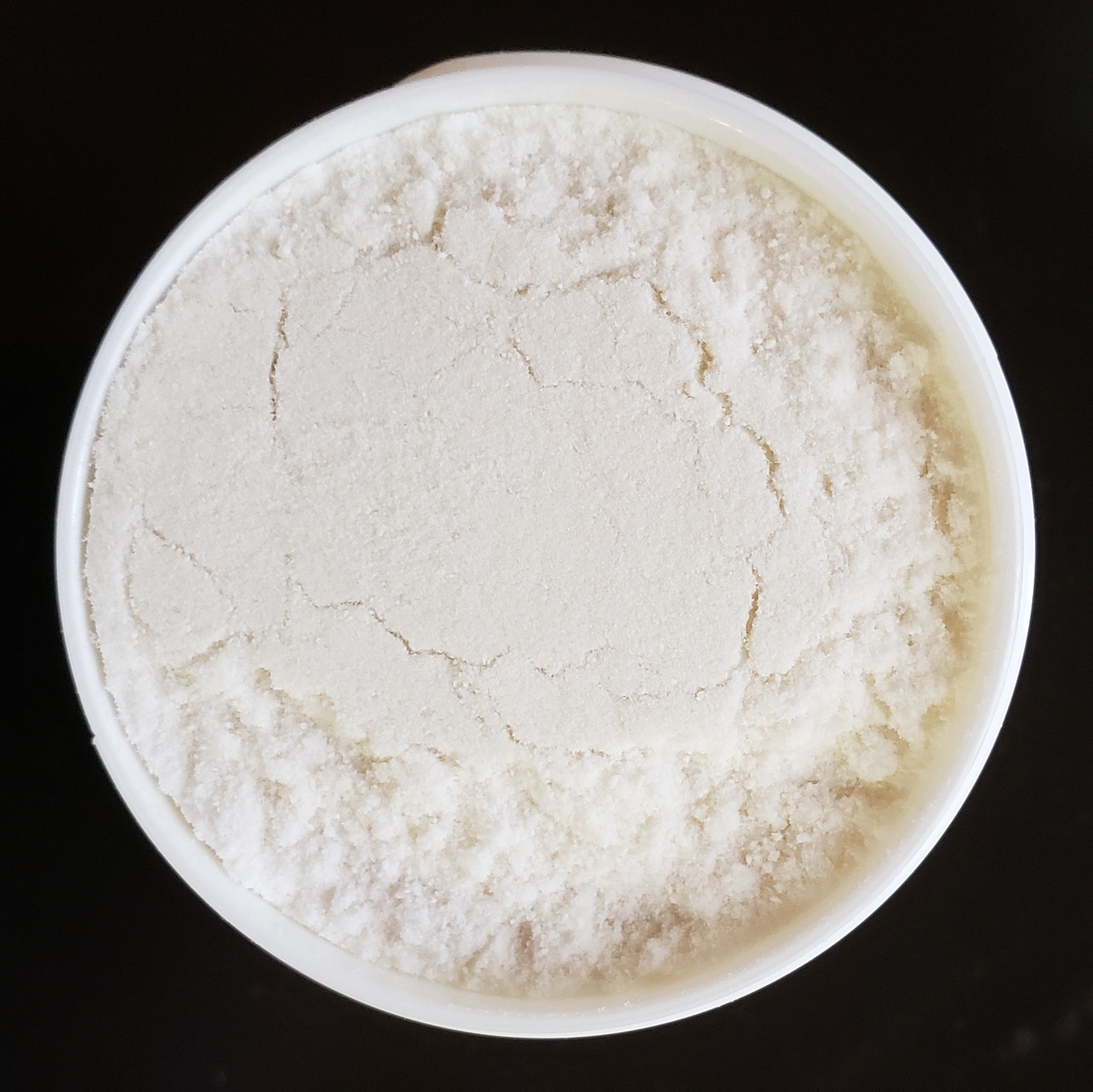
Description
The Unsung Hero of Chemistry: A Deep Dive into Hydroxyethyl Cellulose (HEC)
Have you ever wondered why your favorite shampoo has that perfect, honey-like pour? Or how your wall paint manages to stay on the brush without dripping all over the floor, yet spreads smoothly across the surface?
The answer often lies in a versatile, plant-derived powerhouse called Hydroxyethyl Cellulose, or HEC.
While it might not be a household name, HEC is one of the most widely used polymers in the world. From cosmetics to construction, it is the “secret sauce” that gives products their texture, stability, and performance. In this post, we’ll explore what HEC is, why it’s so popular, and where you can find it in your daily life.
What Exactly is Hydroxyethyl Cellulose?
At its core, HEC is a derivative of cellulose—the natural polymer found in the cell walls of plants (usually sourced from wood pulp or cotton).
Through a chemical process called etherification, cellulose is treated with ethylene oxide. This transformation creates a non-ionic, water-soluble polymer. Because it is non-ionic, it doesn’t carry a charge, which means it plays incredibly well with other ingredients and remains stable even when mixed with salts or varying pH levels.
Why is HEC So Popular? (The Top Benefits)
Manufacturers love HEC because it is a multi-tasking ingredient. Here is what it brings to the table:
- Superior Thickening: HEC is primarily used as a thickening agent. It can turn a watery liquid into a rich gel or cream without changing the product’s other properties.
- Stabilizing Power: It helps keep emulsions (mixtures of oil and water) from separating. This ensures your lotion stays creamy rather than turning into a greasy mess.
- Film-Forming: When it dries, HEC leaves behind a thin, flexible, and transparent film. This is essential for hairsprays and protective coatings.
- Water Retention: In construction, HEC prevents water from leaving a mixture too quickly. This is vital for materials like cement or plaster to cure properly.
- Crystal Clarity: Unlike some other thickeners that can make a liquid look cloudy, HEC can create crystal-clear gels, which is a major plus for high-end serums and hand sanitizers.
Where Do We Use It?
You might be surprised at how often you interact with HEC throughout the day.
1. Personal Care and Cosmetics
This is perhaps the most common home for HEC. You’ll find it in:
- Shampoos and Conditioners: To give them a luxurious “slip.”
- Skin Creams: To help the skin absorb moisture and provide a smooth texture.
- Eye Drops: Its lubricating properties help the solution stay on the eye longer, providing relief from dryness.
2. The Paint and Coating Industry
If you’ve ever painted a room, you’ve benefited from HEC. In latex paints, HEC controls the “rheology”—the way the paint flows. It prevents the paint from splashing while you’re rolling it on and ensures it levels out smoothly as it dries, leaving no brush marks.
3. Construction Materials
In the building world, HEC is added to tile adhesives, mortars, and gypsum. It improves the workability of these materials, making them easier to spread and ensuring they stick to the wall or floor long enough to set.
4. Household Cleaning Products
From liquid laundry detergents to surface cleaners, HEC provides the viscosity needed to make the product easy to pour and use.
Is HEC Safe?
For those concerned about “chemicals” in their products, there is good news. HEC is generally considered safe, non-toxic, and biodegradable. Because it is derived from natural plant sources and undergoes a controlled modification process, it is well-tolerated by the skin and is even used in pharmaceutical applications.
Summary
Hydroxyethyl Cellulose is a perfect example of how green chemistry can improve our daily lives. By taking a natural material (cellulose) and giving it a high-tech upgrade, we get an ingredient that makes our paints better, our medicines more effective, and our beauty products more luxurious.
Next time you squeeze out some hair gel or admire a freshly painted wall, take a second to thank HEC—the invisible polymer holding it all together!
Are you a formulator looking for the right grade of HEC? Or just curious about the science behind your favorite products? Let us know in the comments below!


Reviews
There are no reviews yet.