
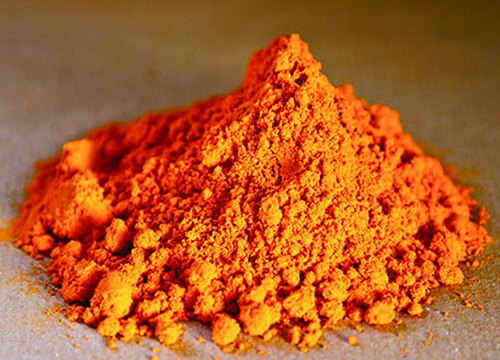
Description
Introduction
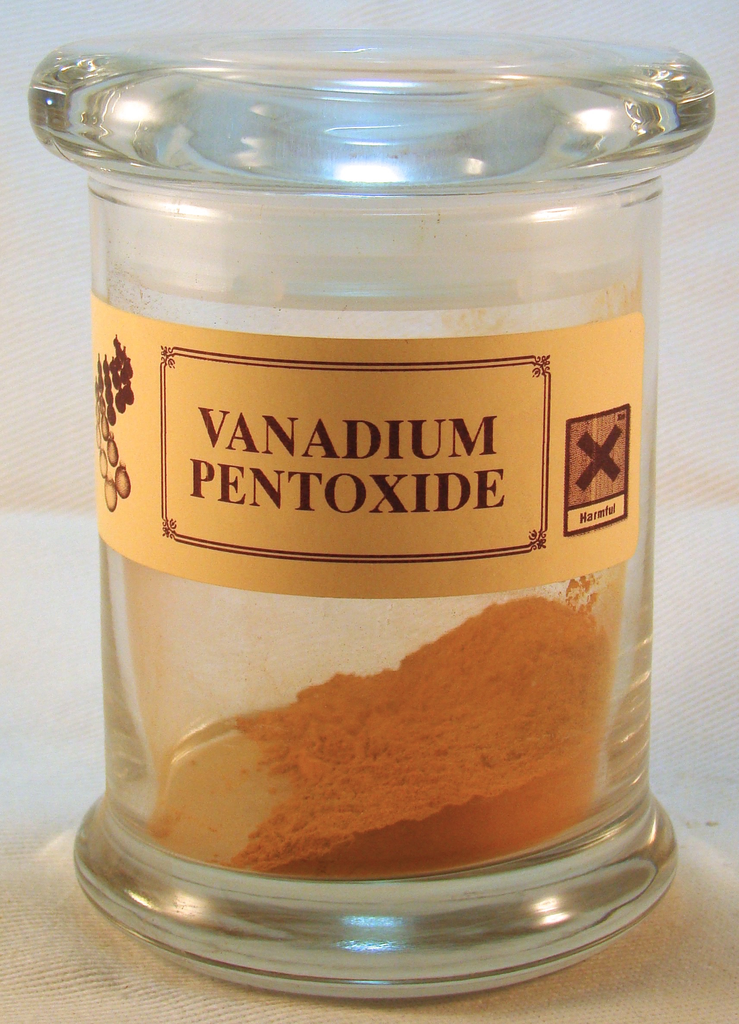
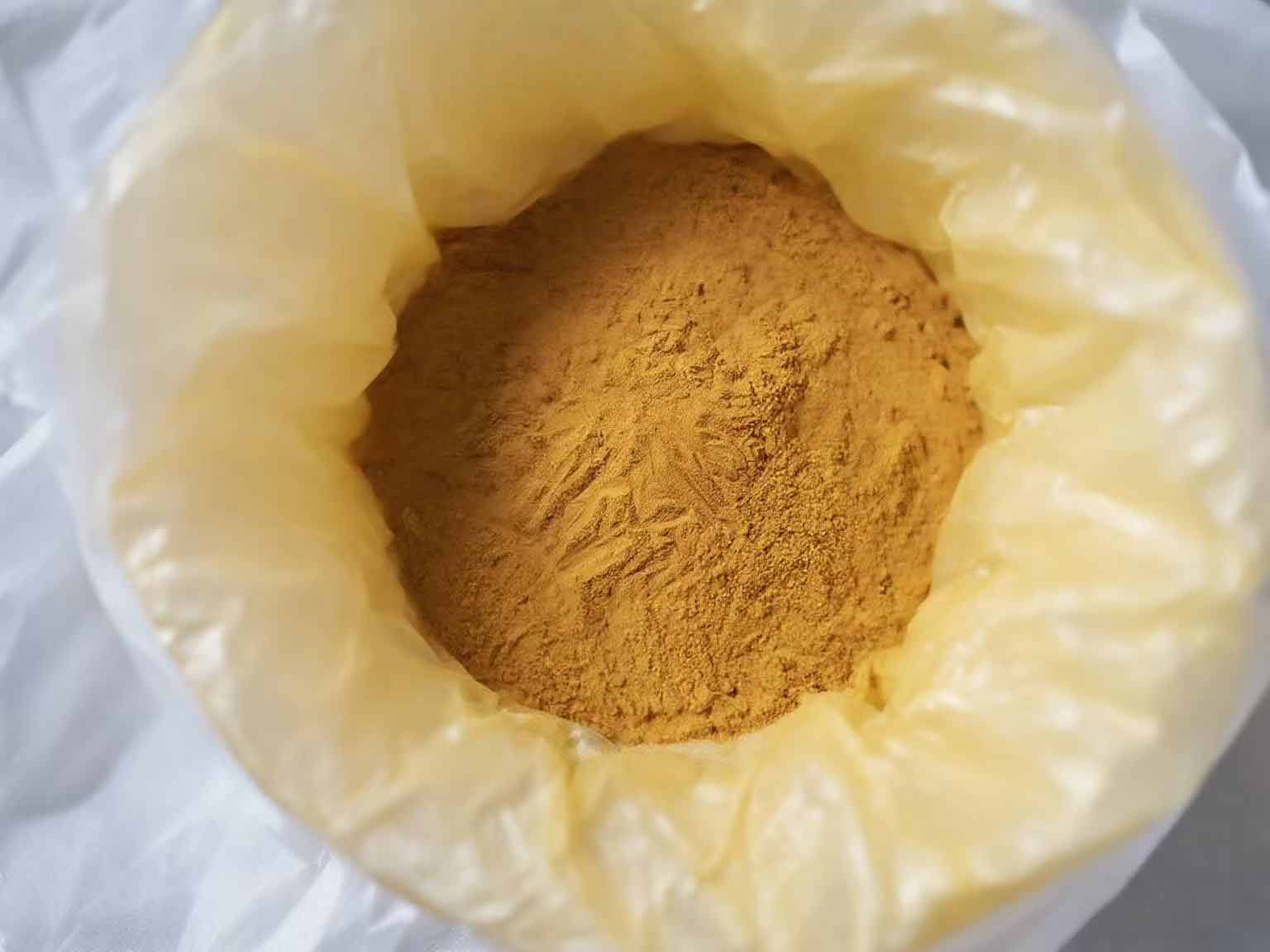
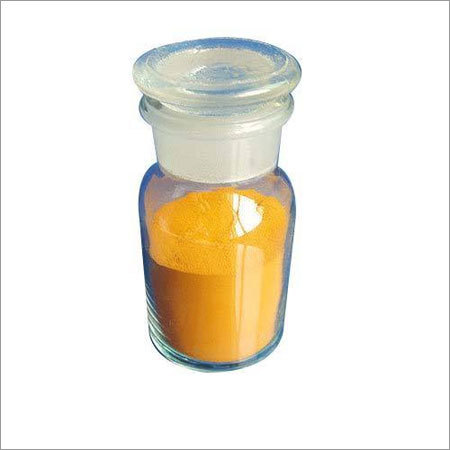
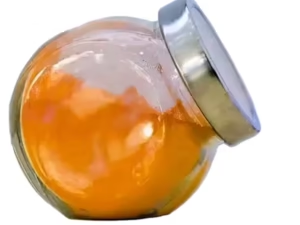
Vanadium pentoxide (V₂O₅) may look like just another orange‑brown powder on the shelf, but in the hands of the right chemist or engineer it becomes a powerhouse catalyst, a high‑energy battery material, and a key component of advanced optical coatings. The purity of that powder can make the difference between a laboratory breakthrough and a commercial failure. In this post we’ll unpack what high‑purity V₂O₅ is, how it’s made, why a “clean” material is so valuable, and where it’s driving innovation today.
1. The Chemistry of V₂O₅ in a Nutshell
| Feature | What It Means for the Material |
|---|---|
| Oxidation State | Vanadium is locked in the +5 state, giving V₂O₅ its strong oxidizing power. |
| Crystal Structure | Orthorhombic layers of VO₅ square pyramids; the layers can expand/contract, enabling ion intercalation. |
| Band Gap | ~2.2 eV (semiconductor) – useful for photo‑electrochemical applications. |
| Thermal Stability | Stable up to ~690 °C; above that it reduces to V₂O₄. |
| Solubility | Sparingly soluble in water; dissolves readily in hot, concentrated acids, forming VO₂⁺ ions. |
These intrinsic properties are why V₂O₅ enjoys a “Jack‑of‑all‑trades” reputation in catalysis, energy storage, and optics.
2. What Do We Mean by “High‑Purity”?
In industrial parlance, high‑purity V₂O₅ generally refers to material that meets at least one of the following specifications:
| Purity Metric | Typical Threshold for “High‑Purity” |
|---|---|
| Metallic Impurities | ≤ 50 ppm total (Fe, Cr, Cu, Ni, etc.) |
| Non‑Metallic Impurities | ≤ 100 ppm total (Si, Al, P, S) |
| Organic Residues | ≤ 10 ppm (often expressed as total carbon) |
| Moisture Content | ≤ 0.5 wt % (dry, free‑flowing powder) |
| Particle Size Distribution | D₅₀ = 5–25 µm, narrow PSD for reproducible reactivity |
The most common analytical techniques used to verify these limits are:
- ICP‑MS / ICP‑OES for trace metals
- CHN Analyzer for residual carbon & hydrogen
- Thermogravimetric Analysis (TGA) for moisture & volatile organics
- X‑Ray Diffraction (XRD) for phase purity (absence of V₂O₃, V₆O₁₃, etc.)
Why all this fuss? Because even parts‑per‑million contaminants can poison catalytic sites, alter electrochemical voltage profiles, or scatter light in optical coatings. In short—purity = performance.
3. How Is High‑Purity V₂O₅ Produced?
3.1 Traditional “Metal Salt” Route
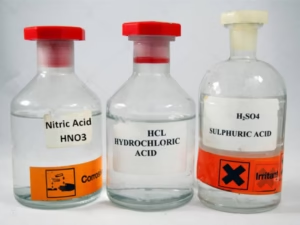
- Vanadium‑Containing Ore (e.g., carnotite, vanadinite) is leached with sulfuric acid to produce ammonium metavanadate (NH₄VO₃).
- Precipitation – Adjust pH to 2–3, add NH₄⁺ to precipitate the metavanadate.
- Calcination – Heat the dried precipitate at 400–500 °C in air, driving off NH₃ and converting NH₄VO₃ → V₂O₅.
Purification Steps
- Ion‑exchange columns (strong‑acid cation exchangers) to remove Fe, Cu, Al⁺⁺.
- Solvent extraction (e.g., TOPO in kerosene) for selective removal of Ti, Nb.
- Re‑crystallization of NH₄VO₃ from ultra‑pure water for final “ultra‑high‑purity” grades.
3.2 Direct Oxidation of Vanadium Metal
High‑purity metallic V (often obtained via aluminothermic reduction of V₂O₅) is oxidized in a controlled‑atmosphere furnace:
2 V + 5 O₂ → V₂O₅ (900 °C, 99.999% O₂, <10 ppm H₂O)
Advantages:
- Very low residual non‑vanadium metals (the metal feedstock can be 99.9999% pure).
- Minimal organic residues (no ammonium salts).
Challenges:
- Requires expensive, high‑purity oxygen.
- Process scale‑up is energy‑intensive.
3.3 Emerging “Green” Routes
- Electrochemical Oxidation: Dissolve V³⁺ or V⁴⁺ salts in high‑purity electrolyte, apply a constant anodic potential to generate V₂O₅ directly on the electrode surface. The deposited powder can be scraped off, yielding a product essentially free of counter‑ion contaminants.
- Supercritical CO₂ Extraction: Uses supercritical CO₂ to wash the precipitated V₂O₅, stripping out organic binders and solvents without leaving water residues.
4. Applications Where Purity Is a Game‑Changer
4.1 Catalysis – The Classic Role
| Catalytic Process | Why Purity Matters |
|---|---|
| Sulfuric Acid Production (Contact Process) | Trace Fe or Cu catalyzes undesired side reactions, lowering SO₃ yields. |
| Selective Oxidation (e.g., Allyl Alcohol → Acrolein) | Impurities de‑activate the active V⁵⁺ sites, causing rapid activity loss. |
| Dehydrogenation of Propane | Nitrogen‑containing residues poison the surface, increasing coke formation. |
Industrial catalysts typically embed V₂O₅ on porous TiO₂ or SiO₂ supports. High‑purity V₂O₅ yields higher turnover frequencies (TOFs) and longer catalyst lifetimes—a direct cost saver.
4.2 Energy Storage – Vanadium Redox Flow Batteries (VRFB)
In a VRFB, V₂O₅ is dissolved (after reduction to V³⁺/V⁴⁺) in sulfuric acid to create the positive electrolyte. Impurities can:
- Precipitate as metal sulfates, clogging the flow system.
- Shift redox potentials, reducing cell voltage and energy density.
High‑purity V₂O₅ (> 99.99%) enables energy efficiencies > 85% and cycle lives > 10 000, making VRFBs competitive for grid‑scale storage.
4.3 Lithium‑Ion & Sodium‑Ion Batteries
V₂O₅’s layered structure accommodates Li⁺/Na⁺ intercalation, delivering high theoretical capacities (~ 440 mAh g⁻¹). However:
- Surface contaminants impede ion diffusion, causing large overpotentials.
- Carbonaceous residues create uncontrolled SEI (solid‑electrolyte interphase) growth.
Purified V₂O₅ nanorods or nanosheets (≤ 20 nm thickness) have shown rate capabilities up to 10 C and capacity retention > 90% after 500 cycles.
4.4 Optical & Electronic Coatings
V₂O₅ thin films are used in electrochromic windows, photocatalytic self‑cleaning glass, and UV‑blocking coatings. High optical transparency and uniform coloration demand a defect‑free V₂O₅ source. Even trace Fe³⁺ can produce unwanted brown coloration and degrade cycling stability.
4.5 Emerging Frontier – Quantum Materials
Recent papers have demonstrated V₂O₅‑based mixed‑valence heterostructures that exhibit Mott transitions at room temperature, a potential platform for neuromorphic computing. The electronic landscape in these experiments is exquisitely sensitive to impurity levels—making high‑purity V₂O₅ a prerequisite for reproducible quantum behavior.
5. Quality Assurance: From Lab to Production
- Incoming Raw‑Material Audit – ICP‑MS screening of every batch; rejection if any single impurity exceeds 10 ppm.
- In‑Process Controls – Real‑time TGA during calcination to monitor moisture loss; inline laser diffraction for PSD.
- Final Certification – Full certificate of analysis (COA) covering metals, organics, moisture, particle size, and XRD phase identification.
- Stability Testing – Store a sample at 25 °C/60 % RH for 12 months; re‑measure impurity profile to confirm no migration from packaging.
For high‑volume customers (e.g., battery manufacturers), batch‑to‑batch consistency is tracked through statistical process control (SPC) charts, with control limits set at ± 5 % of the target specification.
6. Economic Landscape: Cost vs. Value
| Factor | Typical Impact on Price |
|---|---|
| Purity Level | 99.5% V₂O₅: $2–3 kg⁻¹; 99.99%: $5–7 kg⁻¹; 99.999%: $10–12 kg⁻¹ |
| Production Method | Direct oxidation (energy‑intensive) adds ~ 30 % to cost. |
| Scale | > 10 t yr⁻¹ reduces per‑kg cost by ~ 15 % due to economies of scale. |
| Geography | Production in regions with low electricity tariffs (e.g., Canada, Scandinavia) yields a ~ 10 % price advantage. |
Bottom line: While high‑purity V₂O₅ commands a premium, the return on investment manifests as longer catalyst life, higher battery efficiency, and lower downstream maintenance—often translating into overall cost reductions of 15–30 % over the product lifecycle.
7. Safety & Environmental Notes
- Oxidizing Hazard – V₂O₅ can ignite organic materials; store away from combustible waste.
- Toxicity – Inhalation of dust may cause respiratory irritation; use appropriate PPE (N95/FFP2 mask, gloves).
- Disposal – Classified as hazardous waste under most regulations; neutralize with a reducing agent (e.g., Na₂S₂O₅) before landfill disposal.
- Sustainability – Recycling of spent V₂O₅ from spent catalysts or batteries is becoming commercially viable. Hydrometallurgical leaching followed by re‑precipitation can recover > 95 % of vanadium, dramatically shrinking the raw‑material footprint.
8. Future Outlook
- Ultra‑High‑Purity (> 99.9999%): As quantum devices demand atomically clean surfaces, vendors are already scaling ion‑exchange and zone‑refining techniques.
- Continuous Flow Synthesis: Combining electrochemical oxidation with inline filtration could deliver kilogram‑per‑hour streams of V₂O₅ with < 10 ppm impurities.
- Hybrid Materials: V₂O₅ combined with graphene or MXenes is showing record‑fast ion transport—purity will be critical to avoid interfacial contamination.
- Circular Economy: Closed‑loop VRFB plants that re‑oxidize reduced vanadium on‑site could eliminate the need for fresh high‑purity V₂O₅, shifting the focus to purity preservation during the recycling loop.
9. Take‑Home Messages
- Purity isn’t a luxury – it’s a performance driver across catalysis, batteries, optics, and emerging quantum technologies.
- Manufacturing routes matter – the choice between salt‑precipitation, direct oxidation, or electrochemical production dictates impurity profiles and cost.
- Rigorous QA/QC ensures the material lives up to its specification, protecting downstream processes and product reliability.
- Economic payback often outweighs the higher upfront material cost, especially in high‑value applications like VRFBs and catalytic converters.
- Sustainability is catching up – recycling and greener synthesis pathways will keep high‑purity V₂O₅ relevant in a low‑carbon future.
Reviews
There are no reviews yet.