
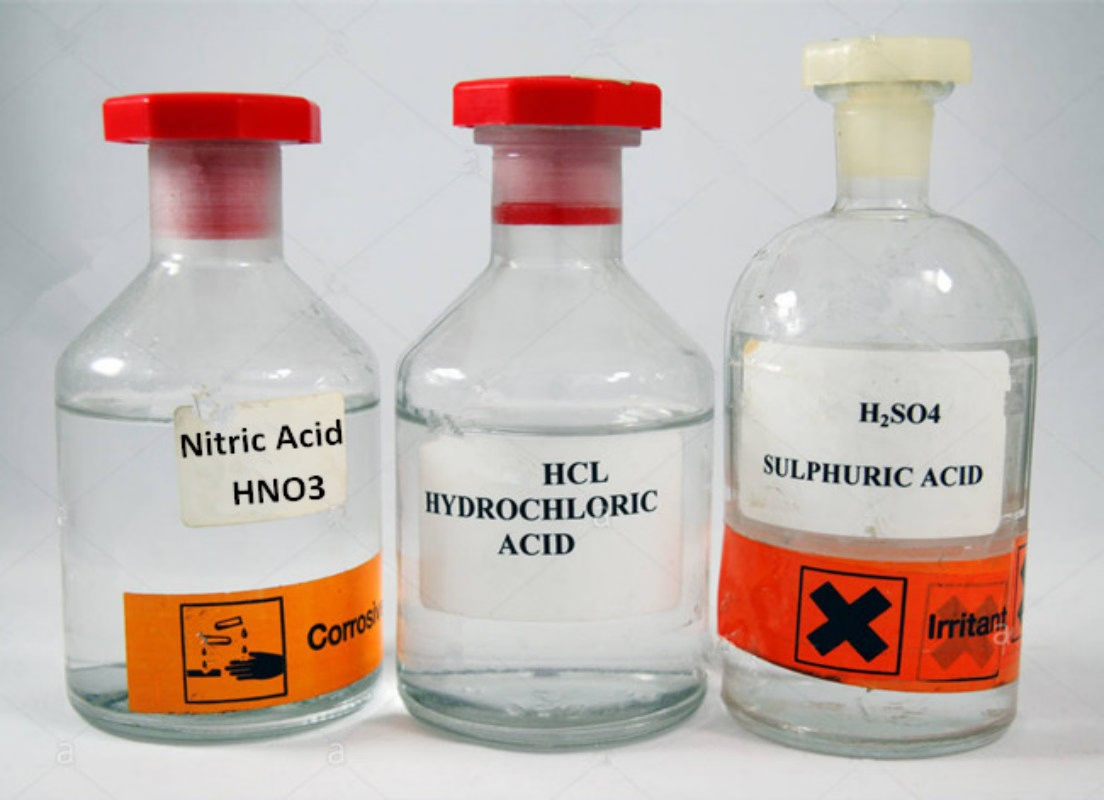
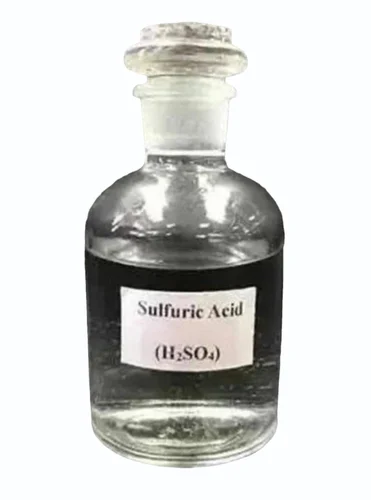
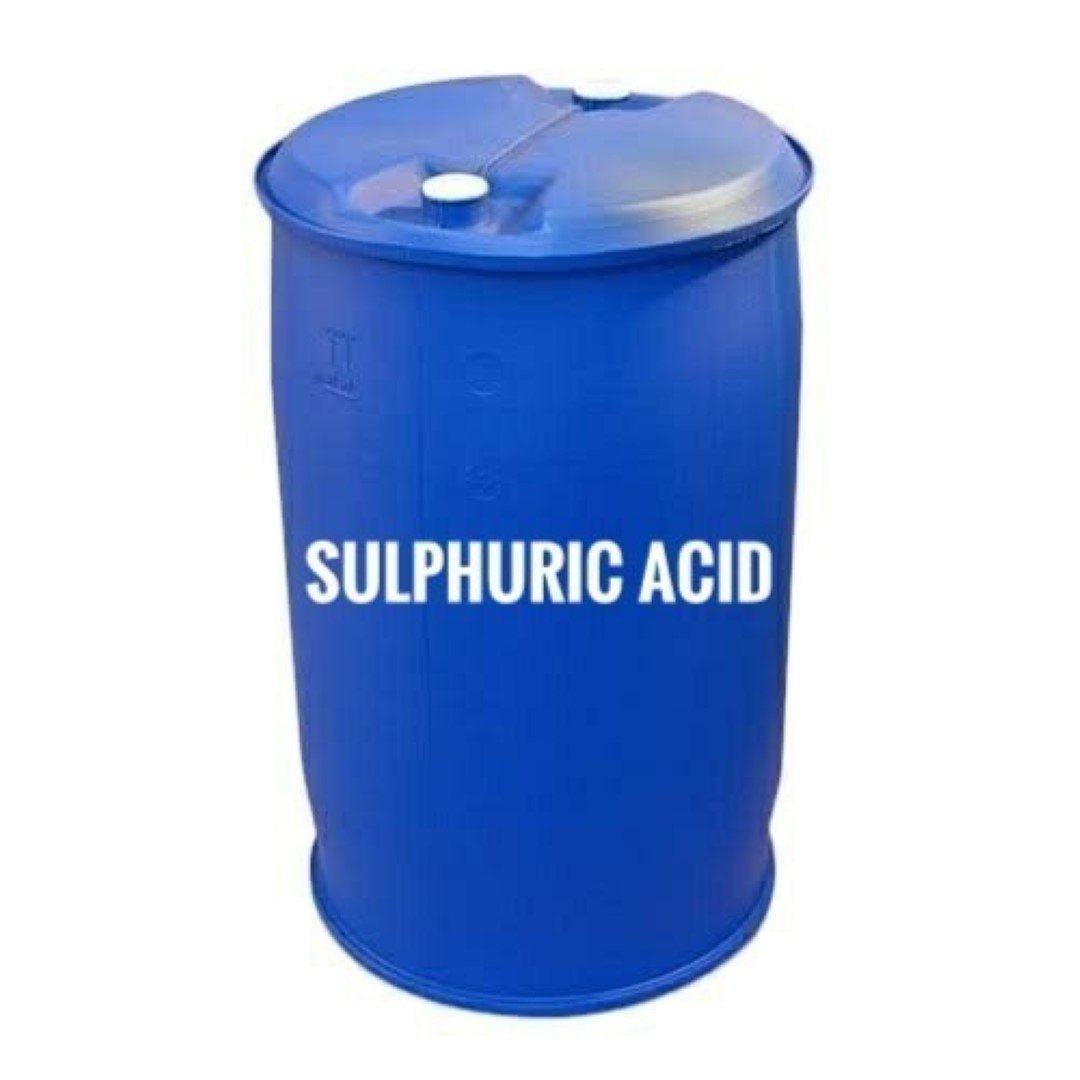
Description
1. Defining Battery‑Grade Sulfuric Acid
| Property | Typical Battery‑Grade Range | Why It Matters |
|---|---|---|
| Concentration (wt % H₂SO₄) | 93.5 % – 98.5 % (≈ 4.5 M – 18 M) | Determines the electrolyte density, which directly controls the state‑of‑charge (SOC) of a lead‑acid cell. |
| Water Content | ≤ 0.5 % (by weight) | Excess water dilutes the electrolyte, lowering voltage and accelerating corrosion of grid plates. |
| Metal Impurities (Fe, Cu, Zn, Pb, Ni, Cr) | ≤ 5 ppm each (often < 1 ppm) | Metal ions act as catalysts for unwanted side reactions (e.g., hydrogen evolution), causing gas buildup and capacity loss. |
| Organic Contaminants (hydrocarbons, chlorides) | ≤ 1 ppm | Prevents formation of sludge, reduces risk of electrical shorting, and avoids corrosion of battery terminals. |
| Total Dissolved Solids (TDS) | ≤ 10 ppm | Ensures the electrolyte remains electrically conductive without precipitating crystals. |
| Acidity (pH) | < 0 (≈ –1.0) | Confirms the acid is fully dissociated; any deviation signals dilution or contamination. |
These numbers are not arbitrary—they are the result of decades of field experience and standards set by bodies such as ASTM D381, IEC 60884‑1, and the International Electrotechnical Commission (IEC) 60601‑2‑9 for battery safety.
The Chemistry in a Lead‑Acid Battery
A lead‑acid cell consists of lead (Pb) plates, lead dioxide (PbO₂) plates, and a sulfuric acid electrolyte. During discharge, the acid reacts with the plates, forming lead sulfate (PbSO₄) and water:
Pb + H₂SO₄ → PbSO₄ + H₂
PbO₂ + H₂SO₄ + 2e⁻ → PbSO₄ + 2H₂O
When you charge the battery, the reactions reverse. Any impurity that interferes with these reversible reactions will degrade cycle life, increase self‑discharge, or cause premature failure. That’s why battery manufacturers will often specify that the acid be “battery grade” and will reject shipments that do not meet the tight impurity limits.
2. How Battery‑Grade Sulfuric Acid Is Made
2.1 The Classic Contact Process (Modern Twist)
- Sulfur Combustion → SO₂ – High‑purity elemental sulfur is burned in a furnace, generating sulfur dioxide (SO₂).
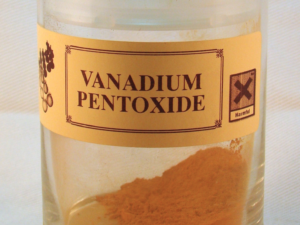
- Catalytic Oxidation → SO₃ – The SO₂ passes over a vanadium(V) oxide (V₂O₅) catalyst at 400‑450 °C, turning into sulfur trioxide (SO₃).
- Absorption → H₂SO₄ – SO₃ is dissolved in concentrated sulfuric acid (the “absorption tower”) to produce oleum, which is then diluted with ultra‑pure water to reach the target concentration.
2.2 Purification Steps Tailored for Batteries
| Step | Typical Equipment | Goal |
|---|---|---|
| Distillation of Water | Multi‑effect evaporators, deionizers, UV‑treated water | Removes dissolved ions and organics to < 1 ppb. |
| Filtration of Sulfur | Activated carbon and ceramic filters | Eliminates ash and particulate matter that could carry metal ions. |
| Metal Scavenging | Chelating resin columns (e.g., iminodiacetate) | Captures trace Fe, Cu, Ni, Zn to sub‑ppm levels. |
| Final Polishing | Mixed‑bed ion‑exchange (strong acid cation/anion) | Achieves total dissolved solids ≤ 10 ppm. |
| Quality Control | ICP‑MS, ion chromatography, gravimetric analysis | Confirms compliance with ASTM D381 specifications. |
Because the acid is destined for closed‑system batteries, the production line is typically ISO 9001‑ and ISO 14001‑certified, with rigorous traceability of every batch. Many manufacturers also maintain GMP‑like (Good Manufacturing Practice) documentation to satisfy automotive OEMs.
3. Battery Grade vs. Other Grades – What’s the Difference?
| Grade | Typical Purity | Typical Use | Key Distinguishing Feature |
|---|---|---|---|
| Battery (High‑Purity) Grade | ≥ 99.9 % H₂SO₄, ≤ 5 ppm metals | Lead‑acid batteries, industrial UPS, renewable‑energy storage | Extremely low metal/organic contaminants; tight water content limits. |
| Industrial (Technical) Grade | 93‑98 % H₂SO₄, metals up to 100 ppm | Pickling, cleaning, pH adjustment, fertilizer production | Accepts higher impurity levels; cheaper. |
| Reagent/Analytical Grade | ≥ 99.999 % (often > 99.9995 %) | Laboratory analysis, high‑precision titrations | Even lower contaminants, but typically sold in small bottles, not bulk. |
| Concentrated (Non‑Specified) Grade | 70‑95 % H₂SO₄, variable contaminants | General purpose cleaning, metal treatment | No specific purity guarantee. |
Bottom line: Only battery grade meets the rigor required for long‑life, high‑performance lead‑acid cells. Using a lower‑grade acid can shave weeks or months off a battery’s rated lifespan—something that automotive OEMs simply cannot afford.
4. Safe Handling, Storage, and Transport
Even though the “grade” changes the chemistry, the hazards of sulfuric acid remain the same. Follow these best‑practice guidelines:
4.1 Personal Protective Equipment (PPE)
| PPE Item | Recommended Specification |
|---|---|
| Chemical‑resistant gloves | Nitrile, Viton, or neoprene, 0.5 mm thickness |
| Eye/face protection | Full face shield + safety goggles (ANSI Z87.1) |
| Clothing | Acid‑resistant coveralls (Tyvek or PVC‑coated) |
| Respiratory protection | P100 filter or half‑mask with acid‑type cartridges for accidental splashes/ aerosol generation |
4.2 Storage Rules
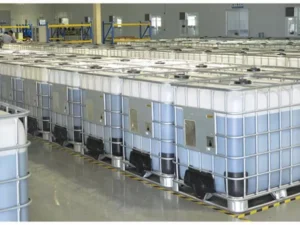
- Containment: Store in UN 1824‑rated steel drums or HDPE containers with sealed lids.
- Ventilation: Keep containers in a well‑ventilated, temperature‑controlled area (15‑25 °C).
- Segregation: Separate from bases (NaOH, KOH) and oxidizers (hydrogen peroxide, peroxides).
- Spill Containment: Use secondary containment trays capable of holding at least 110 % of the container volume.
4.3 Transport Guidelines
- Classification: Hazard class 8 (Corrosive substances).
- Labeling: “SULFURIC ACID 93‑98 % – Battery Grade – Corrosive.”
- Documentation: Material safety data sheet (MSDS) and certificate of analysis (COA) must accompany each shipment.
4.4 Emergency Response
| Scenario | Immediate Action |
|---|---|
| Skin contact | Flush with copious water for ≥ 15 min; remove contaminated clothing; seek medical attention. |
| Eye exposure | Irrigate with water or saline for ≥ 20 min; do not rub; call emergency services. |
| Inhalation of aerosols | Move victim to fresh air; administer oxygen if breathing is difficult; monitor for bronchial irritation. |
| Spill | Contain spill, neutralize with sodium bicarbonate slurry (slowly, to avoid heat), then collect for disposal per local hazardous‑waste regulations. |
5. Market Landscape & Future Outlook
5.1 Current Global Production
| Region | Approx. Annual Production (2024) | Market Share |
|---|---|---|
| China | 1.2 million tonnes | 38 % |
| Europe (EU) | 0.8 million tonnes | 25 % |
| North America | 0.6 million tonnes | 19 % |
| Rest of World | 0.7 million tonnes | 18 % |
Battery‑grade acid accounts for ~65 % of total sulfuric acid consumption, driven by the resurgence of lead‑acid batteries in grid storage, electric‑vehicle (EV) start‑stop systems, and off‑grid solar + battery kits.
5.2 Drivers of Growth
- Renewable‑energy integration – Large‑scale stationary lead‑acid batteries remain the cheapest option for < 5 MWh storage, especially in developing markets.
- Regulatory push – New EU Battery Directive (2024) mandates higher recyclability; manufacturers are turning to higher‑purity acid to improve recyclability rates.
- Automotive start‑stop – Over 30 % of new passenger cars sold in 2025 included a lead‑acid start‑stop battery, increasing demand for consistent, high‑purity acid.
5.3 Sustainability & Circular Economy
- Acid Recovery – Modern recycling plants now re‑concentrate spent electrolyte using evaporation and ion‑exchange, returning > 90 % of sulfuric acid to the production loop.
- Carbon‑Footprint Reduction – Companies are integrating bio‑sulfur (derived from waste sulfur from petroleum refining) into the contact process, cutting CO₂ emissions by up to 5 %.
- Closed‑Loop Certification – The ISO 14064‑1 standard for greenhouse‑gas accounting is increasingly being applied to acid production, allowing manufacturers to offer “low‑carbon” battery‑grade acid as a premium product.
5.4 Emerging Alternatives
While lithium‑ion dominates consumer EVs, lead‑acid technology is still evolving:
| Innovation | Impact on Acid Requirements |
|---|---|
| Advanced Glass‑Mat (AGM) & Gel Batteries | Need even lower water content (≤ 0.3 %) to avoid gas generation. |
| Carbon‑Enhanced Plates | Reduce sulfation, but still require ultra‑pure acid to prevent metal‑catalyzed side reactions. |
| Hybrid Sodium‑Ion/Lead‑Acid (Na‑Pb) | Uses a diluted sulphate solution; however, the acid fraction still must meet battery‑grade specs. |
Thus, the future of high‑purity sulfuric acid is bright—not because the acid itself is evolving, but because the markets that demand it are expanding and becoming more environmentally conscious.
6. Choosing the Right Supplier
When sourcing battery‑grade sulfuric acid, consider:
- Certification & Compliance – Look for ISO 9001, ISO 14001, and ASTM D381 compliance certificates.
- Batch Traceability – Ability to provide a full certificate of analysis (CoA) for each lot, including metal impurity profiles.
- Logistics Capability – Expertise in hazardous‑material shipping (UN 1824 compliance) and on‑site delivery safety training.
- Sustainability Credentials – Does the supplier recycle spent acid? Do they publish life‑cycle assessments (LCAs)?
- Technical Support – Access to chemists or application engineers who can help fine‑tune acid concentration for specific battery designs.
A few global players dominate the market—BASF, Dow, Jiangsu Yurun, LyondellBasell, and Eastman Chemical—but many regional specialty chemical firms now provide niche, “custom‑purity” blends for high‑performance battery packs.
7. Bottom Line: Purity Pays Off
A battery is only as good as the electrolyte that drives its chemistry. High‑purity, battery‑grade sulfuric acid:
- Guarantees consistent cell voltage across the entire charge cycle.
- Minimizes gas evolution, lowering the risk of over‑pressurization and vent‑failure.
- Extends cycle life—often by 20‑30 % compared with lower‑grade acids.
- Enables recyclability and compliance with tightening environmental regulations.
If you’re designing, manufacturing, or servicing lead‑acid batteries (whether for automotive, industrial, or grid‑scale applications), never overlook the acid. A few ppm of impurity can be the difference between a battery that lasts five years and one that needs replacement after twelve months.
8. Quick Reference Cheat Sheet
| Parameter | Ideal Battery‑Grade Value | Typical Industrial Value |
|---|---|---|
| Concentration | 93.5 % – 98.5 % | 70 % – 95 % |
| Water Content | ≤ 0.5 % | 1 % – 5 % |
| Fe, Cu, Zn, Ni, Cr | ≤ 5 ppm each | ≤ 100 ppm |
| Chlorides | ≤ 1 ppm | ≤ 30 ppm |
| Total Dissolved Solids | ≤ 10 ppm | ≤ 200 ppm |
| Density (20 °C) | 1.240 – 1.285 g cm⁻³ | 1.210 – 1.275 g cm⁻³ |
9. Further Reading & Resources
- ASTM D381 – Standard Test Method for Sulfuric Acid (Battery Grade).
- IEC 60884‑1 – Safety Requirements for Batteries.
- “The Contact Process: Modern Advances and Environmental Implications” – Journal of Industrial Chemistry
Reviews
There are no reviews yet.