
Description
1. Product Overview
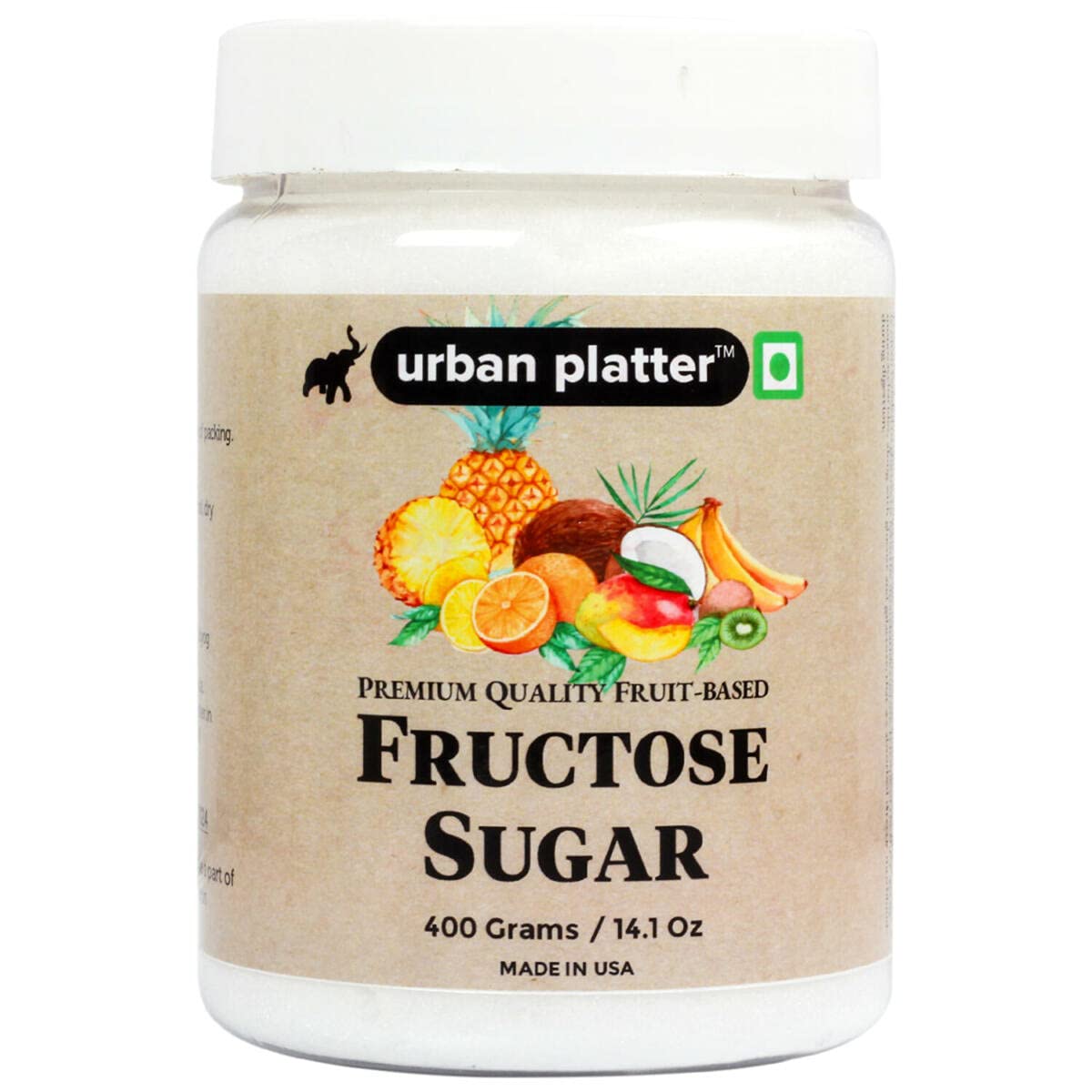
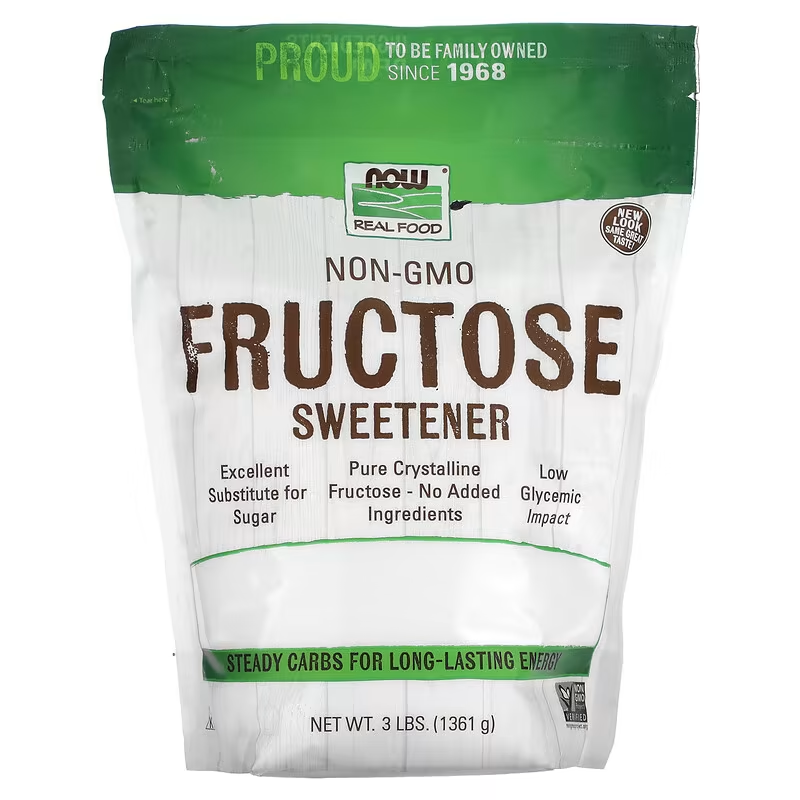
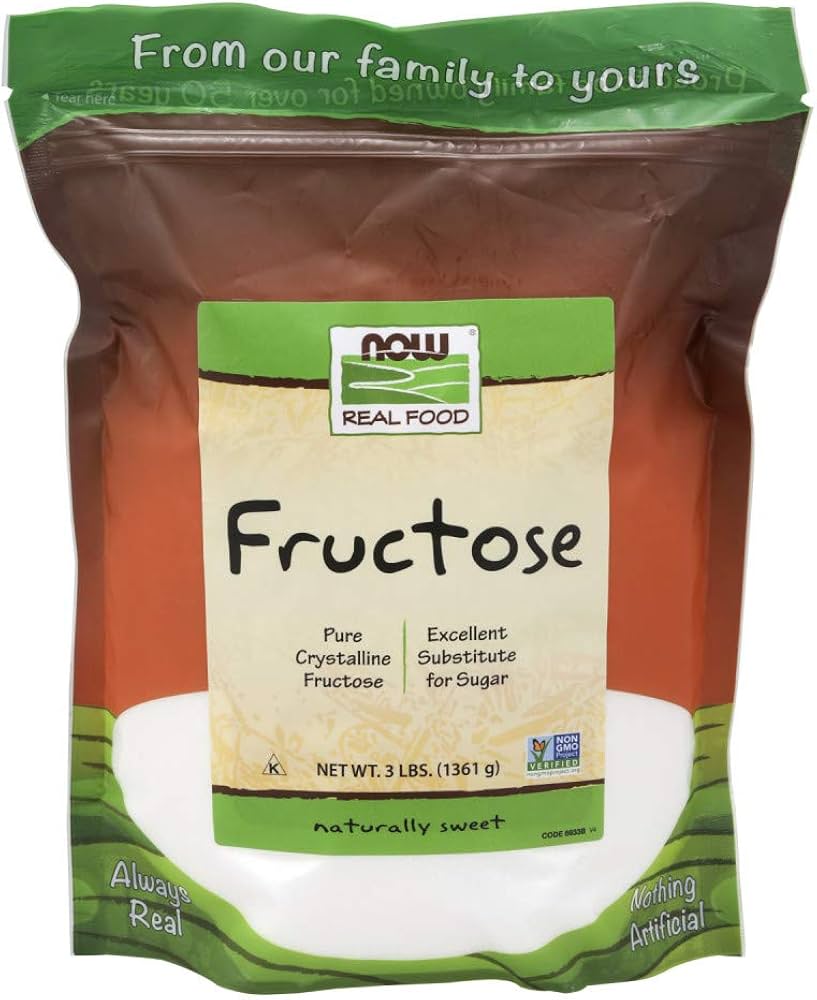
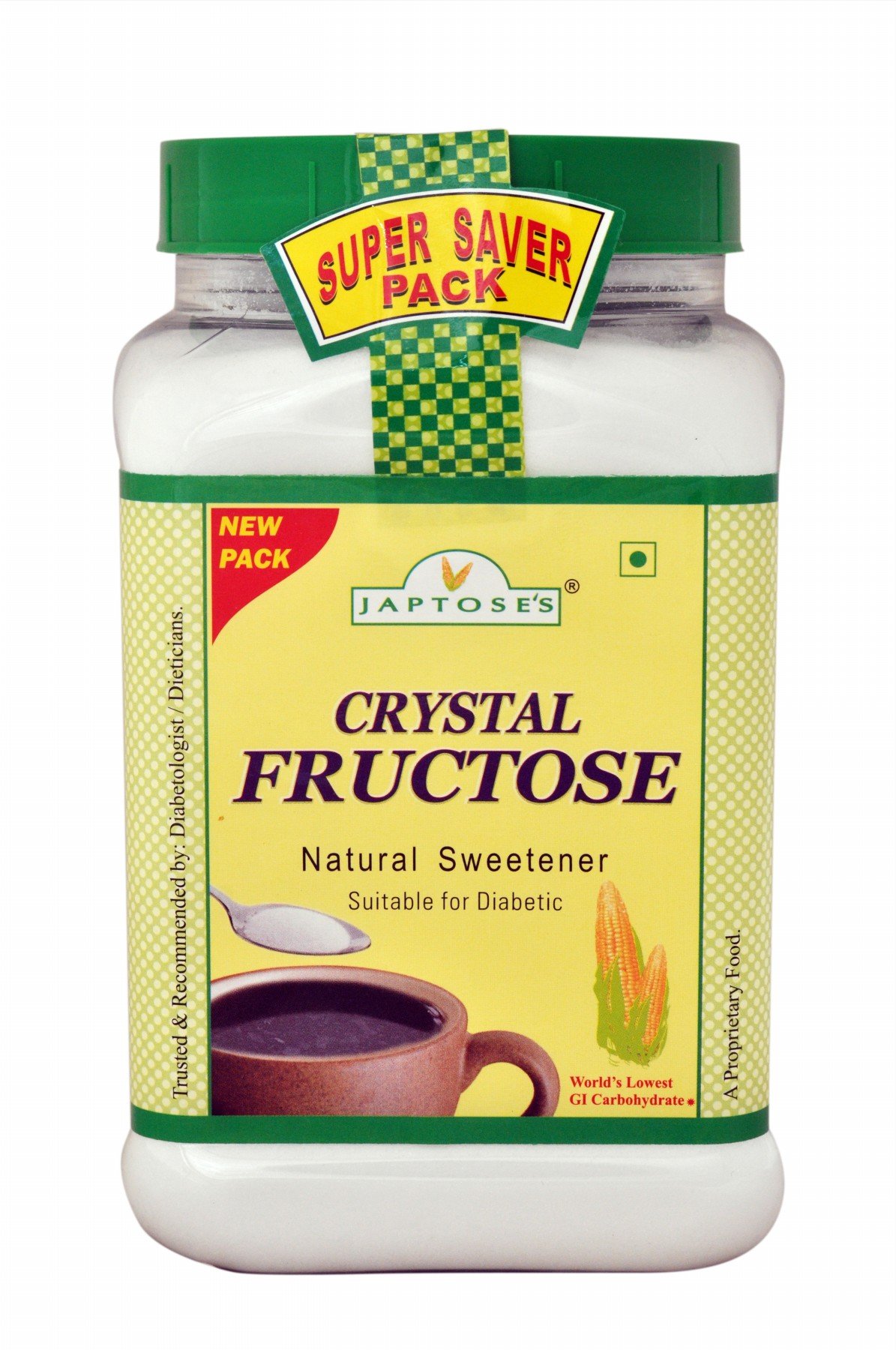
Fructose is a naturally occurring monosaccharide sugar widely used across food processing, pharmaceuticals, and industrial fermentation sectors. Known for its high sweetness intensity and excellent solubility, it serves as a key ingredient in sweetening systems, energy formulations, and biochemical processes. Its primary value lies in delivering superior sweetness with lower quantities compared to sucrose, enabling cost optimization and formulation efficiency. Strategically, fructose plays a critical role in the global sweetener market due to rising demand for functional ingredients, clean-label products, and scalable industrial feedstocks.
2. Key Specifications & Technical Characteristics
- Chemical Composition: C₆H₁₂O₆ (Monosaccharide – Ketohexose)
- Purity Level / Grade:
- Food Grade: ≥99%
- Pharmaceutical Grade: ≥99.5%
- Physical Characteristics:
- Form: Crystalline powder or syrup (liquid fructose)
- Color: White (powder) / Clear to pale yellow (liquid)
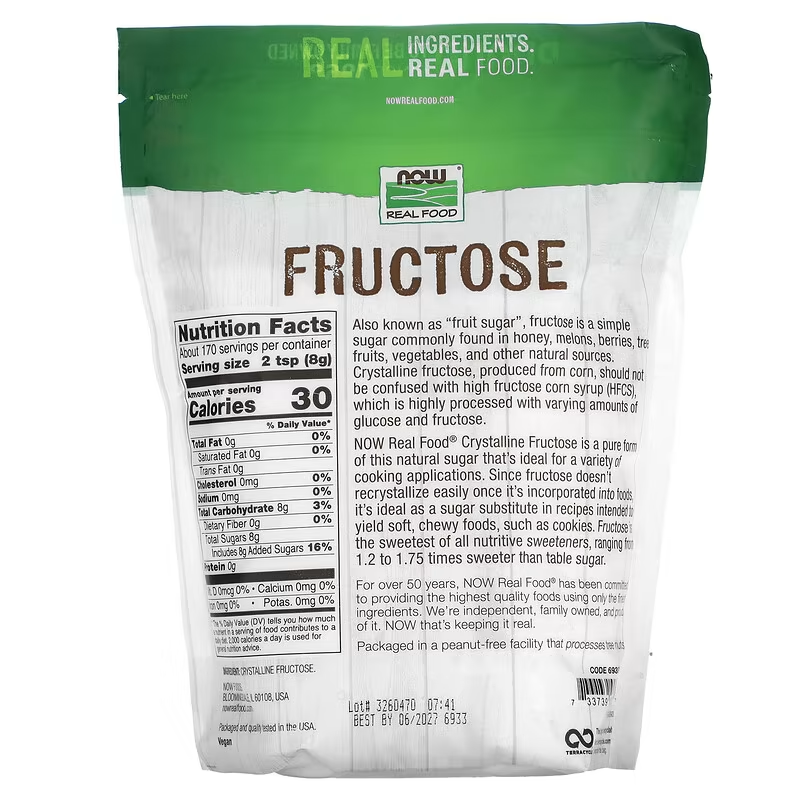
- Taste: Intensely sweet (~1.2–1.8x sweeter than sucrose)
- Solubility: Highly soluble in water
- Packaging Options:
- 25 kg food-grade bags (powder)
- 1 MT jumbo bags
- Bulk liquid in drums (250 kg) or IBC tanks (1,000 L)
- Shelf Life:
- 24 months (dry, sealed conditions)
3. Core Industrial Applications
Primary Industries:
- Food & Beverage Manufacturing
- Pharmaceuticals & Nutraceuticals
- Fermentation & Biotechnology
- Confectionery & Bakery
Operational Use Cases:
- Sweetener in soft drinks, juices, and energy beverages
- Functional ingredient in low-moisture and baked goods due to hygroscopic properties
- Excipient in pharmaceutical syrups and formulations
- Carbon source in microbial fermentation and bio-processing
Performance Advantages:
- Higher sweetness intensity reduces dosage requirements, lowering formulation costs
- Enhances flavor profiles and mouthfeel in beverages and processed foods
- Improves product shelf stability by retaining moisture
- Faster metabolic energy release makes it ideal for specialized nutrition products
4. Competitive Advantages
- Quality Consistency: Strict manufacturing controls ensure uniform purity and performance across batches
- Supply Reliability: Scalable production capacity aligned with global industrial demand
- Logistics Capability: Flexible packaging formats and efficient global shipping infrastructure
- Price Competitiveness: Optimized sourcing and production efficiencies enable cost-effective bulk pricing
- Sustainability: Derived from renewable agricultural sources (e.g., corn, sugar beet), supporting sustainable supply chains
- Technical Support: Full documentation available, including COA, MSDS, and formulation guidance for industrial integration
5. Commercial & Supply Information
- Minimum Order Quantity (MOQ): BULK 20 MT
- Loading Capacity:
- 20–25 MT per 20-ft container (powder)
- 20–24 MT per container (liquid, depending on packaging format)


Reviews
There are no reviews yet.