
Description
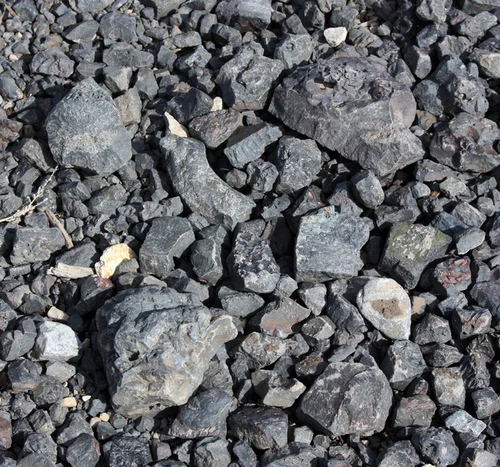
When you picture a steel mill, the first images that come to mind are roaring furnaces, glowing metal, and the occasional “clink” of heavy ingots hitting the floor. What often goes unnoticed, however, is the by‑product that quietly accumulates in the corners of these facilities – Electric Arc Furnace (EAF) slag.
Once dismissed as unwanted waste, EAF slag has undergone a dramatic transformation over the past two decades. Thanks to advances in processing technology, stricter environmental regulations, and a global push toward circular economies, this once‑overlooked material is now a valuable resource for the construction, cement, road‑building, and even agricultural sectors.
In this post we’ll dig into:
- What EAF slag is and how it’s formed.
- Its physical and chemical characteristics.
- Why it matters for the environment and the bottom line.
- Current and emerging applications.
- Challenges and future outlook.
Let’s spark a conversation about turning industrial “trash” into tomorrow’s building blocks.
1. What Exactly Is EAF Slag?
1.1 The Birthplace – The Electric Arc Furnace
An Electric Arc Furnace (EAF) uses high‑current electric arcs to melt scrap steel (or direct‑reduced iron). Unlike the traditional blast furnace, an EAF operates at lower temperatures (≈1,600 °C) and can be started or stopped on demand, making it ideal for recycling steel.
During the melting process, a cocktail of oxidation reactions takes place:
- Iron + O₂ → FeO (iron oxide)
- Silicon + O₂ → SiO₂ (silica)
- Calcium (added as lime) + SiO₂ → CaSiO₃ (calcium silicate)
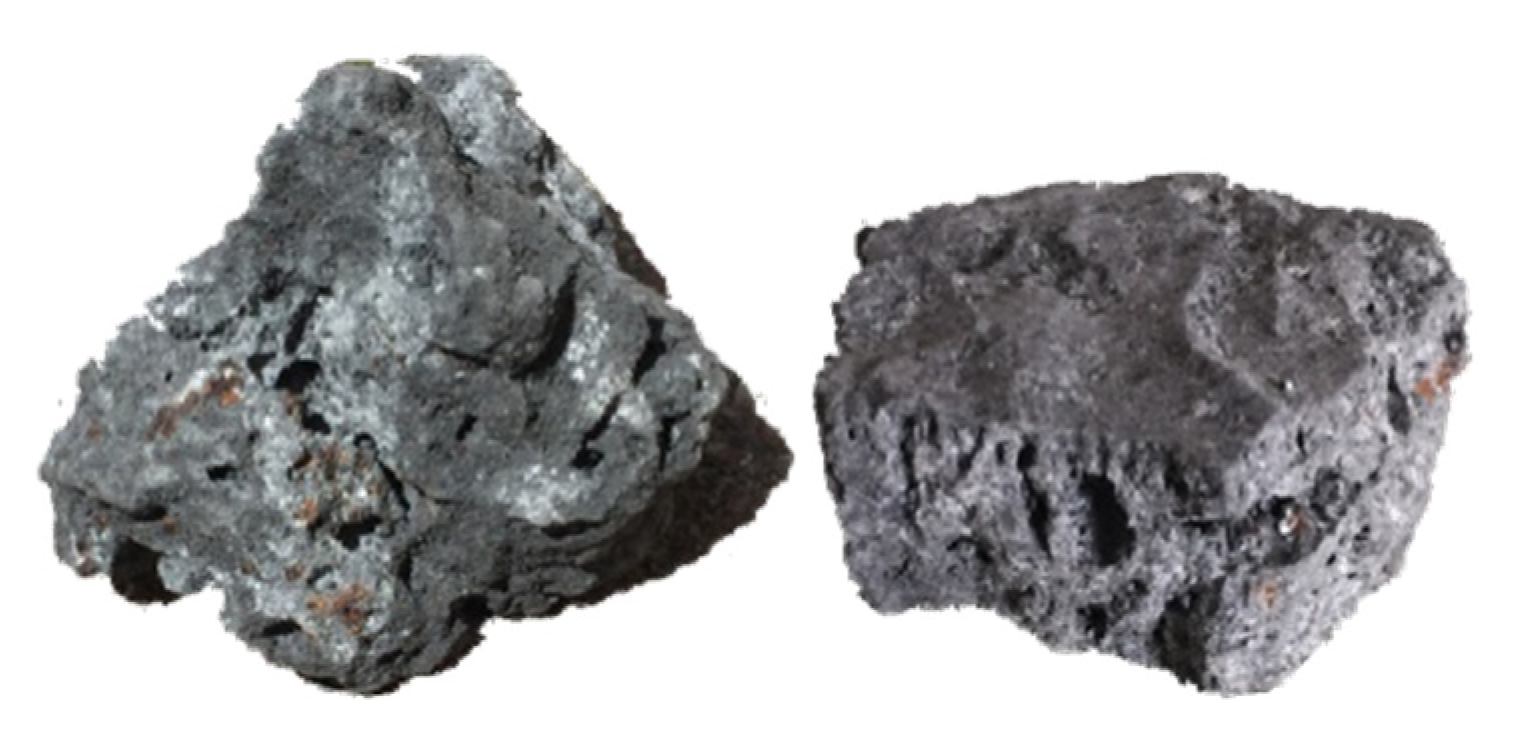
These reactions generate a molten glass‑like material that floats on top of the liquid steel. When the furnace cools, this material solidifies into what we call EAF slag.
1.2 Primary Types of EAF Slag
| Type | Typical Origin | Key Features |
|---|---|---|
| Granulated Slag | Directly quenched with water after tapping | High amorphous content, rapid cooling → reactive surface, ideal for cement |
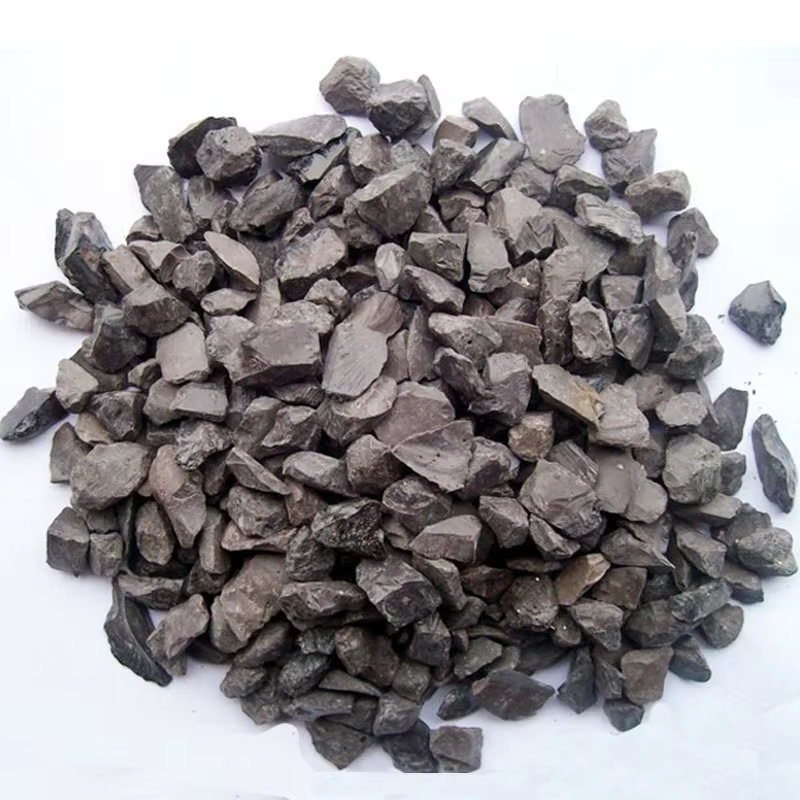
| Air‑Cooled Slag (Block/Crushed) | Left to cool in the furnace or on cooling beds | Crystalline phases dominate (e.g., periclase, wollastonite) – denser, lower reactivity |
| Water‑Cooled Slag (Agranular) | Water spray cooling without granulation | Intermediate properties; often used as a raw material in secondary steelmaking |
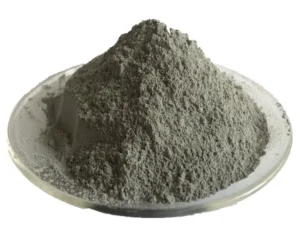
The granulated (or “slag granules”) form the most valuable commodity because their rapid cooling preserves a high proportion of amorphous glass—the secret sauce for many downstream uses.
2. The Chemistry & Physics Behind the Material
| Property | Typical Range | Why It Matters |
|---|---|---|
| Specific Gravity | 3.1 – 3.6 | Determines handling, transport cost, and suitability for lightweight aggregates |
| Particle Size (Granulated) | 0.5 – 5 mm | Influences blendability in concrete and reactivity in cement |
| Chemical Composition (by weight) | SiO₂ 30‑45 % CaO 20‑35 % FeO 10‑20 % MgO 2‑6 % Al₂O₃ 1‑4 % |
High CaO/SiO₂ ratio yields pozzolanic activity; FeO impacts color and magnetic separation |
| Amorphous Phase | 30‑70 % (granulated) | Drives hydraulic reactivity – essential for cement and soil stabilization |
| Alkali Content (Na₂O + K₂O) | 0.5‑2 % | Influences expansion risk in concrete; must be managed through mix design |
Key Takeaway: The high calcium silicate content and the presence of an amorphous glass phase give granulated EAF slag an inherent “cement‑like” reactivity. When ground to a fine powder, it can partially replace Portland cement (often 20‑30 % by mass) without compromising strength.
3. Why EAF Slag Is a Win‑Win for Industry & Environment
3.1 Reducing Landfill Pressure
Globally, steel production generates 5–10 Mt of slag annually. Without valorisation, this material would occupy massive landfill space, posing leaching risks (especially for heavy metals). Transforming slag into a marketable product diverts it from waste streams and reduces the overall carbon footprint of the steel sector.
3.2 Cutting CO₂ Emissions
- Cement substitution: Replacing 30 % of Portland cement with slag can cut CO₂ emissions by ~0.35 t CO₂ per tonne of concrete (≈10‑15 % of the concrete’s carbon footprint).
- Energy savings: Producing granulated slag consumes far less energy than grinding raw limestone for cement.
Combined, slag utilisation can reduce global CO₂ emissions by up to 100 Mt per year—roughly the annual output of a medium‑sized coal power plant.
3.3 Economic Benefits
| Stakeholder | Benefit |
|---|---|
| Steel producers | Lower disposal fees, potential revenue from slag sales, compliance with waste‑management regulations |
| Cement & concrete firms | Lower raw‑material costs, access to a high‑performance pozzolan, improved durability of concrete |
| Construction contractors | Lighter aggregates → easier handling, better thermal insulation properties, reduced shrinkage |
| Governments | Meets circular‑economy targets, creates green‑jobs, reduces need for virgin aggregate extraction |
4. Current Applications – From Roads to Gardens
4.1 Cement & Concrete
- Ground Granulated Blast‑Furnace Slag (GGBFS) is the most prevalent use. It’s ground to a fine powder (≈15 µm) and blended with Portland cement.
- Performance Highlights: Higher long‑term strength, reduced permeability, excellent resistance to sulfate attack, and lower heat of hydration—critical for massive pours like dams and bridge piers.
4.2 Aggregates for Construction
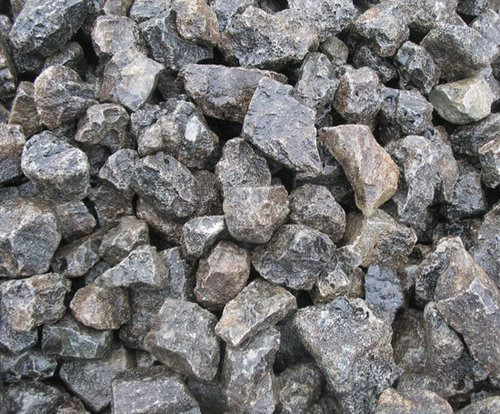
- Lightweight Coarse Aggregates (LCA): Crushed air‑cooled slag can replace natural gravel, cutting the unit weight of concrete by 15‑20 %.
- Road Base & Sub‑Base: Granulated slag, when compacted, provides excellent load‑bearing capacity and drainage, extending the lifespan of highways.
4.3 Soil Stabilization & Land Reclamation
- Slag‑based stabilizers are used to improve bearing capacity of weak soils, especially in coastal or reclaimed land projects. The pozzolanic reaction creates cementitious bonds that lock soil particles together.
4.4 Agriculture & Horticulture
- pH amendment: The alkaline nature of slag can neutralize acidic soils, a boon for certain crops (e.g., blueberries, certain cereals).
- Silicon source: Silicon improves plant resilience to stress; slag’s high SiO₂ content makes it a slow‑release silicon fertilizer.
4.5 Emerging High‑Tech Uses
| Innovation | Current Status |
|---|---|
| Geopolymer binders (alkali‑activated slag) | Pilot projects for precast panels and 3D‑printed construction elements |
| Carbon capture & utilization (CCU) | Slag serves as a mineral sorbent for CO₂, forming stable carbonate phases |
| Battery‑grade raw material | Research on extracting Mn, Fe, and Si for next‑generation solid‑state batteries |
5. Challenges – Not All That Glitters Is Gold
| Issue | Why It Matters | Mitigation Strategies |
|---|---|---|
| Variability in composition | Different steelmaking practices produce slag with fluctuating CaO/SiO₂ ratios. | Standardized sampling, grading systems, and pre‑processing (e.g., magnetic separation). |
| Alkali‑silica reaction (ASR) | High alkali content may cause expansion in concrete. | Use low‑alkali cement, limit slag replacement to ≤30 %, incorporate pozzolanic admixtures. |
| Logistics & transportation costs | Slag is heavy; moving it over long distances can be uneconomical. | Locate slag processing plants near steel mills, develop regional “slag hubs”. |
| Regulatory hurdles | Some jurisdictions still classify slag as hazardous waste. | Demonstrate leachate safety through standardized tests (e.g., EN 12457‑4), pursue “green product” certifications. |
| Market acceptance | Engineers may be reluctant to adopt new materials. | Provide performance data, case‑study libraries, and training workshops. |
6. The Road Ahead – Trends Shaping the Next Decade
6.1 Digital Twins & AI‑Driven Quality Control
Advanced sensors now monitor furnace temperature, oxygen levels, and slag flow in real time. AI models predict the resulting slag chemistry, allowing steel producers to tailor slag properties on the fly for specific downstream applications.
6.2 Integrated “Zero‑Waste” Steel Plants
Companies such as ArcelorMittal and Nippon Steel are piloting closed‑loop systems where slag is re‑smelted for secondary steelmaking, while the residual granulated fraction feeds directly into cement plants co‑located on‑site. The result: near‑zero landfill disposal.
6.3 Policy Incentives
- The European Union’s Circular Economy Action Plan (2025‑2030) earmarks €2 bn for research on “high‑value slag utilisation”.
- The United States’ Infrastructure Investment and Jobs Act includes tax credits for “low‑carbon concrete” that can be satisfied using GGBFS.
6.4 Community‑Scale Projects
Small towns are using locally sourced slag for pavement and drainage projects, shortening supply chains and creating local jobs. A notable example is the Portland, Oregon “Slag Street” pilot where 70 % of the pavement aggregate is recycled EAF slag.
7. Quick Tips for Practitioners Wanting to Use EAF Slag
- Start Small: Replace 10‑15 % of cement with GGBFS in a test batch; monitor setting time and early strength.
- Know Your Slag: Request a full chemical analysis (XRF) and amorphous content (XRD) before design.
- Mind the Mix: High slag content may delay early strength; consider using calcium sulfoaluminate (CSA) accelerators if early load is needed.
- Storage Matters: Keep granulated slag dry; moisture can cause clumping and affect flowability.
- Documentation: Keep a traceability log; many building codes now require proof of slag origin for structural projects.
Conclusion: From By‑Product to Building Block
EAF slag exemplifies the power of industrial symbiosis—where one industry’s waste becomes another’s raw material. Its journey from a molten glassy mess to a cornerstone of sustainable construction demonstrates that, with the right technology, policy, and market incentives, circularity is not a lofty ideal but an achievable reality.
Reviews
There are no reviews yet.