
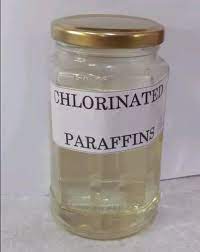
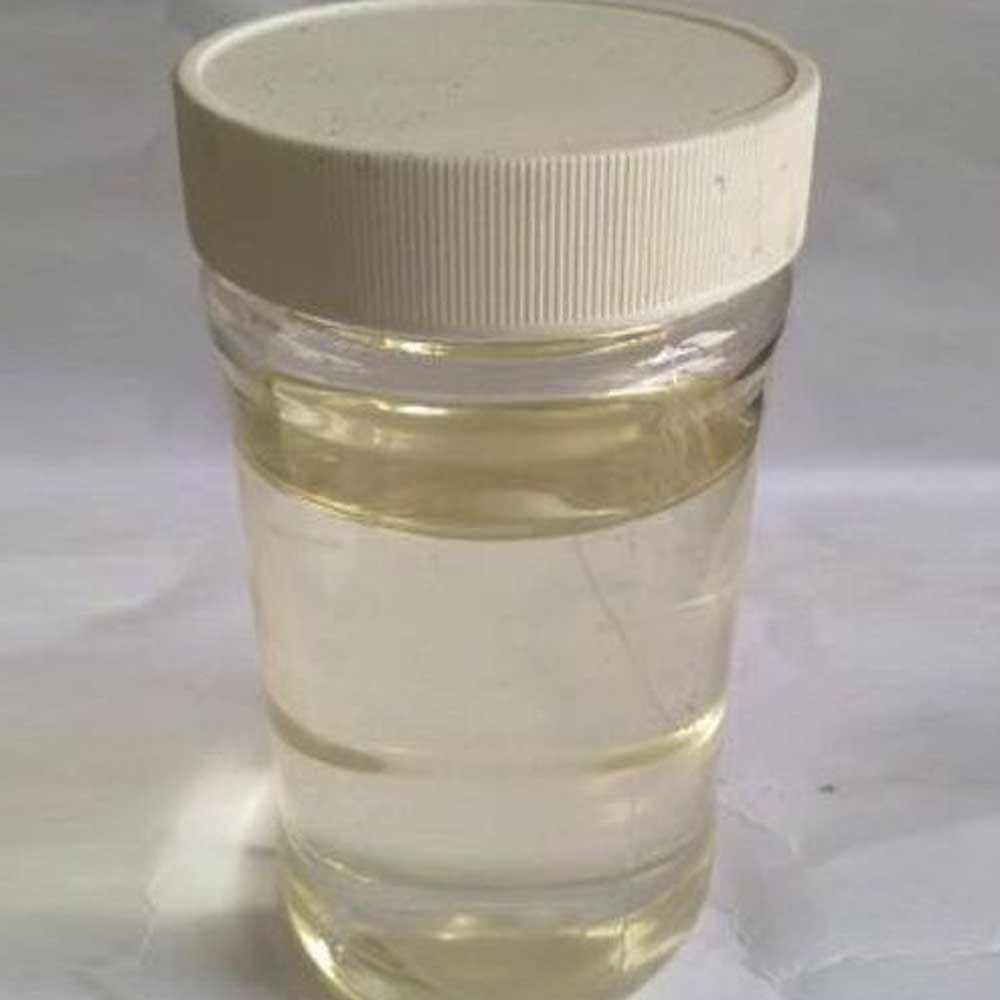
Description
Chlorinated Paraffins: Understanding the Ubiquitous and Contested Chemicals
Often unseen but widely present, Chlorinated Paraffins (CPs) are a group of synthetic chemicals that have been a cornerstone in various industrial applications for decades. Highly versatile due to their unique properties, they have simultaneously become a significant environmental and health concern. Understanding CPs means delving into their chemistry, their historical uses, and the growing global effort to mitigate their impact.
What are Chlorinated Paraffins?
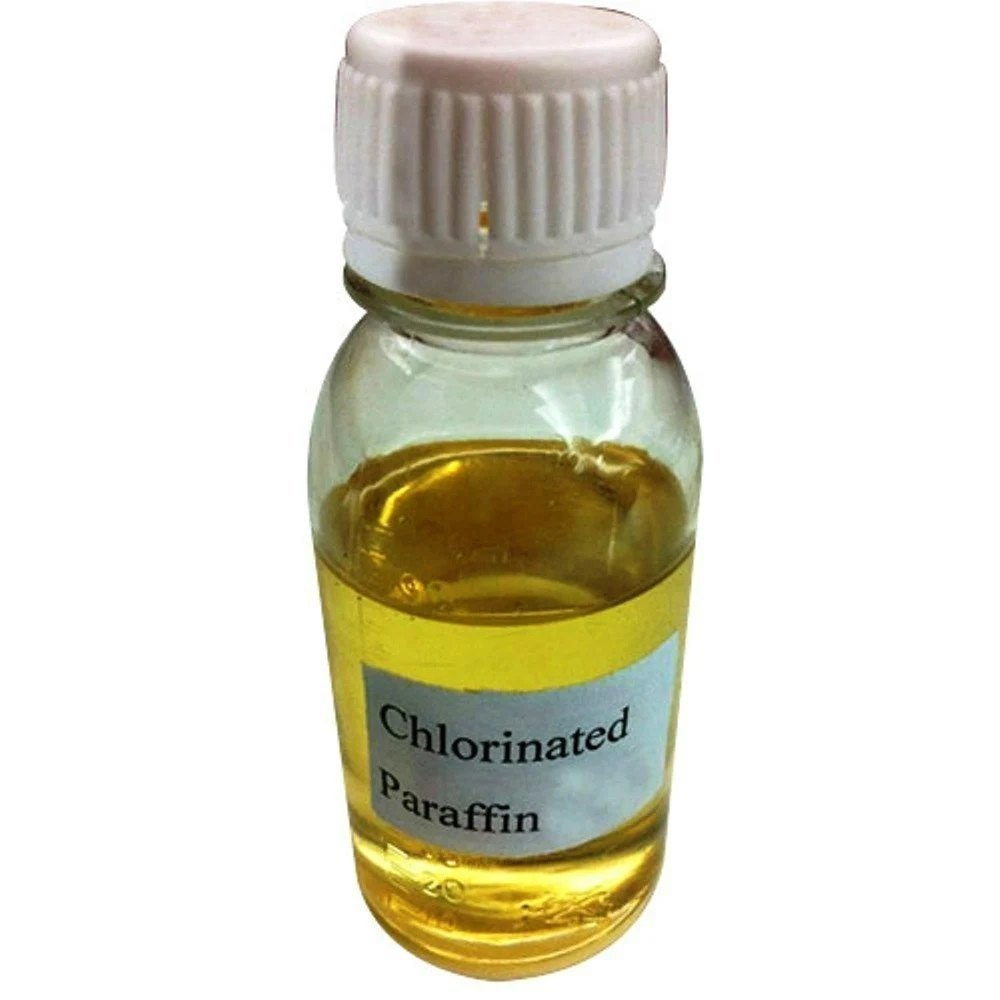
Chlorinated Paraffins are complex mixtures of chlorinated n-alkanes, meaning they are paraffin hydrocarbons (like those found in candles or petroleum jelly) to which chlorine atoms have been added. They are not a single chemical but a vast group, varying by:
- Chain Length: The number of carbon atoms in their paraffin backbone. This is crucial for classification and regulatory purposes:
- Short-Chain Chlorinated Paraffins (SCCPs): C10-C13
- Medium-Chain Chlorinated Paraffins (MCCPs): C14-C17
- Long-Chain Chlorinated Paraffins (LCCPs): C18-C30+
- Chlorine Content: The percentage (by weight) of chlorine in the molecule. This significantly influences their physical and chemical properties.
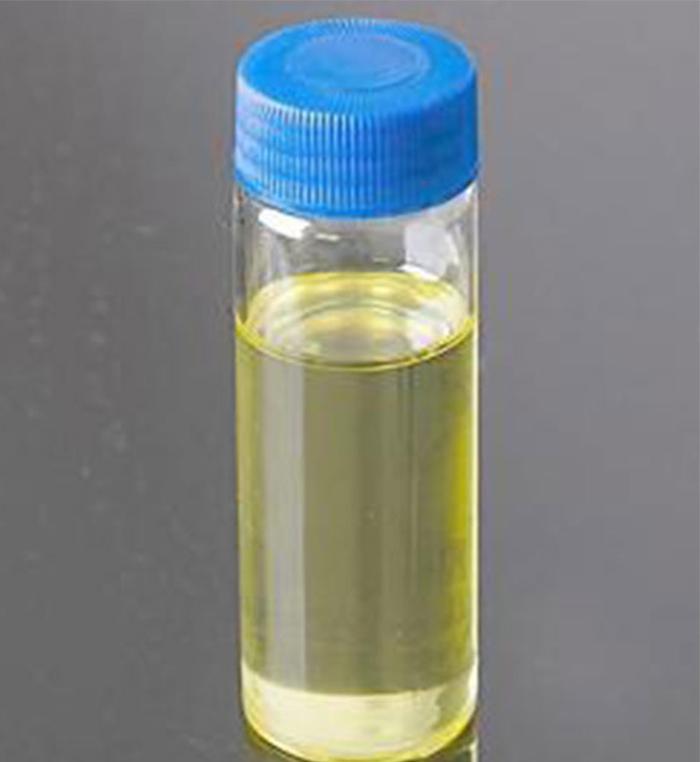
These variations result in a wide range of CPs, from viscous liquids to waxy solids, making them adaptable for diverse applications.
A Versatile Yet Problematic Past: Applications of CPs
For much of the 20th century, CPs were highly valued for their low cost, chemical stability, water repellency, and flame-retardant properties. Their versatility led to widespread adoption in numerous industries:
- Plasticizers: Predominantly used in PVC (Polyvinyl Chloride) products, enhancing flexibility, durability, and resistance to fire. This includes cables, flooring, synthetic leather, and pipes.
- Flame Retardants: Incorporated into plastics, textiles, paints, and coatings to reduce flammability.
- Lubricants and Coolants: Used in metalworking fluids (e.g., cutting oils) for their excellent extreme-pressure lubrication properties.
- Paints, Coatings, and Sealants: Providing water resistance, adhesion, and durability.
- Rubber and Adhesives: As additives to improve various properties.
Their pervasive use meant that CPs became ubiquitous in consumer products and industrial processes alike.
Environmental Impact: The Persistent Polluters
The very stability that made CPs so useful is also their greatest environmental drawback. CPs, particularly SCCPs and MCCPs, are classified as Persistent Organic Pollutants (POPs) due to their characteristics:
- Persistence: They do not readily break down in the environment (soil, water, air).
- Bioaccumulation: They accumulate in the tissues of living organisms, building up over time.
- Biomagnification: Their concentrations increase up the food chain, meaning top predators can have significantly higher levels than organisms at lower trophic levels.
- Long-Range Transport: They can travel long distances through the atmosphere and water, contaminating even remote regions like the Arctic, far from their source of emission.
SCCPs, in particular, have been found in polar bears, seals, and other Arctic wildlife, raising significant concerns about ecosystem health. Their presence in aquatic environments can be toxic to fish and aquatic invertebrates, affecting their reproduction, development, and survival.
Health Concerns: A Lingering Threat
While human exposure to CPs is primarily through ingestion of contaminated food and water, inhalation of dust, or dermal contact, the health impacts are a subject of ongoing research. Animal studies have suggested several potential concerns, particularly for SCCPs:
- Carcinogenicity: Some studies indicate that SCCPs may be carcinogenic (cancer-causing) in animals, leading to liver and kidney tumors.
- Reproductive and Developmental Toxicity: Exposure has been linked to adverse effects on reproductive organs and the development of offspring in laboratory animals.
- Thyroid Hormone Disruption: Evidence suggests that CPs can interfere with thyroid hormone regulation.
- Immunotoxicity: Potential effects on the immune system have also been observed.
While direct, conclusive evidence of these effects in humans at typical environmental exposure levels is still being gathered, the findings from animal studies warrant a precautionary approach.
The Regulatory Landscape: A Global Shift
Given their environmental and potential health risks, there has been a significant global push to restrict and phase out CPs, particularly the shorter-chain varieties:
- Stockholm Convention on POPs: In 2017, SCCPs were listed under the Stockholm Convention, committing signatory countries to eliminate their production and use. More recently, MCCPs have also been proposed for listing due to growing evidence of their POP characteristics.
- European Union (EU): The EU has been at the forefront of regulating CPs. SCCPs are banned for most uses under the REACH (Registration, Evaluation, Authorisation and Restriction of Chemicals) regulation, and MCCPs are also heavily scrutinized and restricted in certain applications.
- Other Nations: Countries like Canada and the United States Environmental Protection Agency (EPA) have also taken steps to assess and manage the risks associated with CPs, though the regulatory approaches may vary.
The trend is clear: a global movement towards replacing CPs, especially SCCPs and MCCPs, with safer alternatives. LCCPs, with their generally lower mobility and bioaccumulation potential, are currently less restricted, but their long-term environmental fate is still under investigation.
Seeking Safer Alternatives
The growing regulatory pressure and increased awareness have spurred the development and adoption of alternative chemicals and technologies. Industries are exploring:
- Phosphate esters and other synthetic esters: As plasticizers and flame retardants.
- Bio-based plasticizers: Derived from renewable resources like vegetable oils.
- Non-halogenated flame retardants: Moving away from chlorine and bromine-containing compounds.
- Polymer modifications: Designing materials that inherently possess desired properties without the need for high levels of additives.
- Process changes: Rethinking industrial processes to reduce reliance on problematic chemicals.
Conclusion
Chlorinated Paraffins represent a classic dilemma in industrial chemistry: highly effective and economically attractive chemicals that, over time, reveal a hidden cost to environmental health and potentially human well-being. The journey from widespread acceptance to global restriction highlights the importance of continuous scientific research, international cooperation, and the pursuit of greener, more sustainable chemical solutions. As the world moves towards a more circular economy, the story of Chlorinated Paraffins serves as a critical reminder of the need for careful scrutiny and responsible innovation in chemical production and use.



Reviews
There are no reviews yet.