
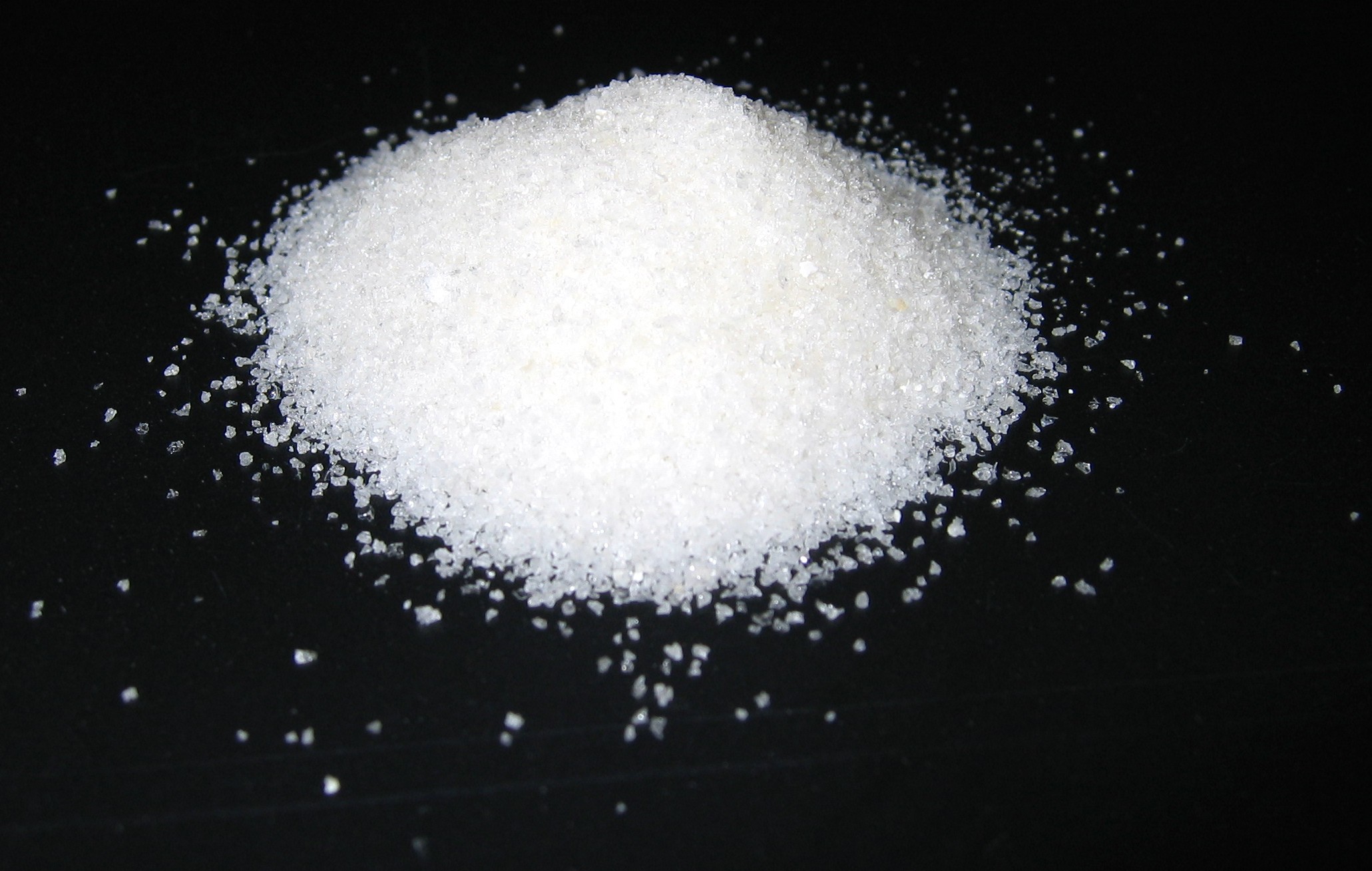
Description
Biodegradable Polymer Crosslinkers: The Green Glue that Holds Tomorrow’s Materials Together
Published on February 28, 2026
Introduction
Polymeric materials dominate modern life—from packaging and medical devices to agricultural films and consumer electronics. Yet, the very durability that makes polymers useful also turns them into stubborn pollutants. The holy grail of polymer science today is “durable‑but‑degradable”—materials that perform exactly where they’re needed and then disappear harmlessly once their job is done.
A key lever for achieving this balance is the crosslinker. By stitching polymer chains together, crosslinkers define a material’s mechanical strength, swelling behavior, thermal stability, and, crucially, its degradation pathway. In this post we’ll explore:
- What crosslinkers are and how they work
- Why biodegradability matters
- The chemistry of biodegradable crosslinkers
- Real‑world applications
- Challenges and the road ahead
Whether you’re a graduate student, a formulation chemist, or simply a sustainability enthusiast, this guide will give you a clear picture of how the “green glue” of polymer chemistry is shaping a cleaner future.
1. Crosslinkers 101 – The Molecular “Velcro”
1.1 What is a crosslinker?
A crosslinker (or cross‑linking agent) is a small‑molecule or oligomer that can form covalent bonds with two or more polymer chains. When the reaction is complete, the material becomes a network rather than a linear melt or solution.
| Property | Linear Polymer | Cross‑linked Polymer |
|---|---|---|
| Chain mobility | High | Restricted |
| Solubility | Usually soluble | Insoluble (gel) |
| Mechanical strength | Moderate | High (elastic, tough) |
| Shape retention | Poor | Excellent |
1.2 How do they work?
Crosslinkers contain reactive functional groups (e.g., epoxy, acrylate, isocyanate, aldehyde, or ester) that can undergo addition, condensation, or radical polymerization with complementary groups on the polymer backbone. The most common mechanisms are:
| Mechanism | Typical functional groups | Typical conditions |
|---|---|---|
| Free‑radical polymerization | Di‑acrylates, di‑methacrylates | Initiator (peroxide, UV) |
| Epoxy–amine curing | Epoxy + primary/secondary amine | Heat (80‑150 °C) |
| Schiff‑base formation | Aldehyde + primary amine | Mild (pH ≈ 7, room temp) |
| Click chemistry (azide‑alkyne) | Azide + alkyne | Cu(I) catalyst or strain‑promoted (Cu‑free) |
When the reactive groups are biodegradable, the resulting network can be broken down by enzymes, hydrolysis, or microbial action once the material has served its purpose.
2. Why Biodegradable Crosslinkers?
2.1 The environmental imperative
- Plastic waste crisis – Over 400 Mt of plastic are produced each year, and only ~9 % is recycled. The rest ends up in landfills, oceans, or the environment.
- Regulatory pressure – The EU’s Plastics Strategy, U.S. “Renewable Materials” initiatives, and China’s “Zero‑Plastic‑Bag” mandates are pushing manufacturers to adopt greener chemistries.
- Circular economy – Materials that can be re‑upcycled or completely mineralized enable closed‑loop product lifecycles.
2.2 Functional advantages
| Benefit | Explanation |
|---|---|
| Controlled degradation | By tuning the chemistry (e.g., ester vs. anhydride linkages) you can set half‑life from days to years. |
| Reduced toxic by‑products | Biodegradable crosslinkers are designed to break into non‑toxic monomers, acids, or CO₂, rather than releasing heavy metals or aromatic residues. |
| Tailorable mechanical properties | Even though they degrade, they can still provide high tensile strength, elasticity, or toughness during service. |
| Compatibility with bio‑based polymers | Many bio‑based backbones (PLA, PCL, polyhydroxyalkanoates) need crosslinkers that do not introduce petroleum‑derived residues. |
3. Chemistry of Biodegradable Crosslinkers
Below is a curated list of the most promising biodegradable crosslinker families, together with representative structures, degradation pathways, and typical applications.
3.1 Ester‑Based Di‑acrylates
| Example | Structure | Degradation | Typical use |
|---|---|---|---|
| Poly(ethylene glycol) diacrylate (PEGDA) | HO‑CH₂CH₂‑O‑(CH₂CH₂O)n‑CH₂CH₂‑OH with acrylate termini | Hydrolytic cleavage of ester → PEG + acrylic acid | Hydrogel scaffolds, soft contact lenses |
| Bis‑(hydroxyethyl) terephthalate diacrylate (BHETDA) | Derived from PET monomer terephthalic acid | Enzymatic PETase hydrolysis → terephthalic acid + ethylene glycol | Biodegradable adhesives, 3‑D printed resins |
Why they’re “green”: Esters are readily hydrolyzed in aqueous environments; the monomeric fragments are either bio‑compatible (PEG) or recyclable (terephthalic acid).
3.2 Anhydride‑Based Crosslinkers
- Succinic anhydride‑modified polyols – React with hydroxyls on polycaprolactone (PCL) or starch, forming acid‑ester linkages that are cleavable by esterases.
- Maleic anhydride grafted polymers – Provide reversible Diels‑Alder bonds that can be “un‑clicked” under mild heating (60‑80 °C) or enzymatic conditions.
Key feature: Anhydrides generate carboxylic acid groups after opening, which can further participate in ionic crosslinking or be neutralized for controlled pH release.
3.3 Imine (Schiff‑Base) Crosslinkers
| Crosslinker | Functional groups | Degradation |
|---|---|---|
| Glutaraldehyde (dialdehyde) | Two aldehydes + polymer amines | Hydrolytic cleavage of C=N → aldehyde + amine (fast, pH‑dependent) |
| Polysaccharide‑derived dialdehydes (e.g., oxidized dextran) | Aldehyde on each chain | Enzymatic hydrolysis → sugars + aldehydes (biocompatible) |
Imine bonds are dynamic covalent—they can break and reform under physiological pH, making them ideal for self‑healing hydrogels and drug‑delivery depots.
3.4 Click‑Chemistry Crosslinkers
- Strain‑promoted azide‑alkyne cycloaddition (SPAAC) crosslinkers based on dibenzo[a,c]cyclooctyne (DBCO) and poly(ethylene glycol) azide.
- Thiol‑ene “click” crosslinkers using bis‑thiols and acrylate/ene groups.
Both avenues give high conversion at room temperature and generate only triazole or thioether linkages, which can be engineered to incorporate hydrolyzable spacers (e.g., ester‑linker DBCO‑COO‑PEG‑N₃).
3.5 Natural‑Product‑Derived Crosslinkers
| Natural source | Representative crosslinker | Degradation |
|---|---|---|
| Lignin | Epoxidized lignin diacrylate | Enzymatic lignin oxidation → low‑molecular phenolics |
| Tannic acid | Multi‑hydroxyl polyphenol (crosslinks via oxidative coupling) | Polyphenolases break down to gallic acid |
| Chitosan | Genipin‑crosslinked chitosan (genipin forms heterocyclic bridges) | Hydrolytic/enzymatic breakdown to chitosan fragments |
These are especially attractive for food‑contact, agricultural, and medical applications where GRAS status is a must.
4. Real‑World Applications
| Application | Desired property | Biodegradable crosslinker of choice | Example product |
|---|---|---|---|
| Transient electronics (e.g., smart patches) | Elastic, conductive, degrade in ~1 week | PEG‑diacrylate + conductive carbon nanotubes | Disposable ECG patches |
| Tissue engineering scaffolds | Cytocompatibility, tunable stiffness, in‑situ gelation | Schiff‑base (glutaraldehyde‑free) or DBCO‑azide SPAAC | 3‑D printed osteogenic scaffold |
| Agricultural mulch films | UV‑stable, degrade after a single season | Succinic anhydride‑crosslinked PLA blends | Fully biodegradable plastic mulch |
| Drug‑delivery depots | Burst‑free release, complete clearance | Ester‑linked bis‑acrylate hydrogels (PEGDA) | Long‑acting insulin depot |
| Adhesives for biomedical devices | Strong initial adhesion, later resorption | Genipin‑crosslinked chitosan | Resorbable wound sealant |
| 3‑D printable resins | Rapid curing, controlled post‑cure degradation | Bis‑(hydroxyethyl) terephthalate diacrylate (BHETDA) | Dental crowns that can be removed by mild acid bath |
Case Study: A 2024 Nature Materials paper demonstrated a Diels‑Alder/retro‑Diels‑Alder system where a furan‑maleimide crosslinker provided high toughness for a PCL‑based elastomer. In seawater, the retro‑Diels‑Alder reaction triggered after 30 days, leading to rapid hydrolysis and complete mineralization within 90 days—an elegant example of “programmed biodegradability”.
5. Designing Your Own Biodegradable Crosslinked System
Below is a step‑by‑step checklist for formulating a biodegradable crosslinked polymer:
- Identify the polymer backbone – e.g., PLA, PCL, starch, PEG, polyurethane.
- Select compatible reactive groups – hydroxyl, amine, thiol, alkene, epoxy.
- Choose a biodegradable crosslinker that:
- Has two or more reactive termini matching the backbone.
- Contains hydrolyzable or enzymatically cleavable bonds (ester, anhydride, imine, acetal).
- Generates non‑toxic fragments upon degradation.
- Define the degradation trigger – water (hydrolysis), pH, enzymes, temperature, or light.
- Optimize crosslink density – higher density → stronger, slower degradation. A typical range is 0.5–5 mol % crosslinker relative to repeat units.
- Test mechanical & degradation performance:
- Tensile/compression testing (ASTM D638, D695)
- Mass loss in simulated body fluid (SBF) or compost (ISO 14855)
- Chemical analysis of degradation products (GC‑MS, LC‑MS)
- Iterate – adjust spacer length, functional group density, or add plasticizers (e.g., glycerol) to fine‑tune properties.
6. Current Challenges
| Challenge | Why it matters | Emerging solutions |
|---|---|---|
| Balancing strength vs. degradation rate | Too fast → loss of function; too slow → environmental persistence. | Multi‑stage crosslinkers (e.g., ester + Diels‑Alder) that provide an initial “hard” network followed by a “softening” stage. |
| Scale‑up of bio‑derived crosslinkers | Natural sources can be batch‑variable and costly. | Fermentation‑derived γ‑valerolactone or bio‑based succinic acid as feedstocks for anhydrides/acrylates. |
| Regulatory clearance for medical devices | Must prove that degradation products are safe. | Use of GRAS‑listed monomers (PEG, lactic acid, genipin) and thorough toxicology studies. |
| Compatibility with additive manufacturing (AM) | UV curable resins need high conversion; many biodegradable crosslinkers are less reactive. | Development of photo‑click biodegradable acrylates (e.g., bis‑phenoxy‑propyl acrylate with ester spacers) with high polymerization rates (>90 % conversion). |
| Reversibility vs. permanence | Some applications demand a temporary bond (e.g., wound dressings). | Dynamic covalent chemistries (Schiff‑base, Diels‑Alder) that can be “un‑crosslinked” on demand. |
7. The Road Ahead – What to Watch For
- AI‑guided crosslinker design – Generative models (e.g., GPT‑4‑Chem) are already proposing novel ester‑containing di‑acrylates with predicted degradation half‑lives. Expect a wave of data‑driven, application‑specific crosslinkers within the next 3 years.
- Hybrid inorganic–organic networks – Incorporating bio‑silica or nano‑hydroxyapatite can reinforce biodegradable polymers while providing additional degradation pathways (e.g., dissolution of calcium phosphate).
- Closed‑loop recycling – Researchers are coupling biodegradable crosslinkers with chemical up‑cycling (e.g., depolymerizing ester bonds back to monomers for repolymerization).
- Regulatory harmonization – The EU’s EU‑Biodex initiative (2025) is set to create a single testing protocol for biodegradable polymer networks, simplifying market entry.
8. Take‑Home Messages
- Crosslinkers are the molecular glue that gives polymers their shape, strength, and longevity.
- Biodegradable crosslinkers replace permanent covalent bonds with cleavable linkages (esters, anhydrides, imines, dynamic covalent bonds).
- By carefully choosing the chemistry, spacer length, and density, you can dial in the exact lifetime you need—from hours (drug depots) to months (agricultural mulches).
- The field is moving fast: AI‑driven design, dynamic covalent networks, and renewable feedstocks are turning biodegradable crosslinkers from niche curiosities into mainstream engineering tools.
Reviews
There are no reviews yet.