

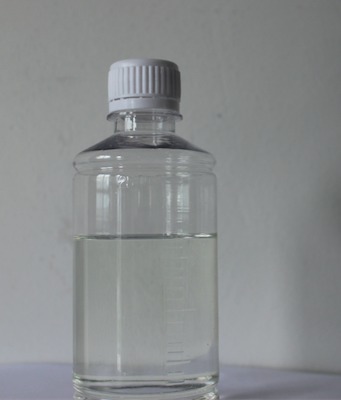
Description
Biobased Fatty‑Acid Esters (C12–C22): The Green Chemistry Building Blocks You’ve Been Waiting For
Why Fatty‑Acid Esters Are Suddenly the Talk of the Town
If you’ve been keeping an eye on the sustainability news feed, you’ve probably noticed a surge of headlines about “bio‑based chemicals” replacing their petroleum‑derived cousins. Among the most promising candidates are fatty‑acid esters with carbon chain lengths ranging from C12 to C22.
These molecules sit at the sweet spot between renewable feedstock, versatile chemistry, and real‑world performance. In short, they’re the Swiss‑army knives of green chemistry—ready to cut across industries ranging from lubricants and plastics to cosmetics and fuels.
Below, we’ll unpack what these esters are, where they come from, why they matter, and how they’re poised to reshape the materials economy over the next decade.
1. What Exactly Are C12–C22 Fatty‑Acid Esters?
A fatty‑acid ester is formed when a fatty acid (a long‑chain carboxylic acid) reacts with an alcohol, releasing water in a classic condensation reaction. The “C12–C22” notation simply tells us that the carbon chain of the fatty acid is 12 to 22 atoms long—think lauric (C12), oleic (C18:1), linoleic (C18:2), arachidic (C20), and behenic (C22) acids.
These chains can be:
| Chain Length | Typical Source | Key Characteristics |
|---|---|---|
| C12 (Lauric) | Coconut, palm kernel oil | High polarity, good solubility in water‑mixed systems |
| C14–C16 (Myristic, Palmitic) | Palm oil, rapeseed oil | Moderate melting point, solid at room temp |
| C18 (Oleic, Linoleic, Linolenic) | Olive, soybean, sunflower oil | Liquid at room temp, excellent flexibility |
| C20–C22 (Arachidic, Behenic) | Peanut, rapeseed oil (minor) | Very high melting points, useful for high‑temperature applications |
When the fatty acid is esterified with a specific alcohol (methanol, ethanol, glycerol, polyols, etc.), you can tailor properties such as viscosity, surface tension, and biodegradability. That flexibility is what makes them such attractive drop‑in replacements for petro‑chemicals.
2. Where Do They Come From?
2️⃣ Natural Feedstocks
- Vegetable Oils – The most abundant source. Soy, rapeseed, palm, and sunflower oils already contain high concentrations of C12–C22 fatty acids.
- Animal Fats – Tallow and lard are rich in C16–C18 acids and are a valuable co‑product of the meat industry.
- Algae & Oleaginous Yeasts – Emerging platforms can produce tailor‑made fatty‑acid profiles (e.g., high‑oleic or high‑saturated blends) with far less land use.
3️⃣ Sustainable Production Pathways
| Method | Key Steps | Environmental Advantages |
|---|---|---|
| Transesterification (oil + short‑chain alcohol) | Catalyst (base, acid, or enzyme) → Ester + glycerol | Low‑energy, high conversion, glycerol can be valorized |
| Enzymatic Esterification (fatty acid + polyol) | Lipase‑catalyzed → Ester + water (removed in‑situ) | Mild conditions → lower CO₂ footprint |
| Direct Synthesis from Biomass‑Derived Carboxylic Acids | Fermentation → fatty acid → ester | Avoids oil extraction, uses waste streams (e.g., lignocellulosic sugars) |
When the feedstock is sourced responsibly (certified RSPO palm, non‑GMO soy, or algae grown in closed photobioreactors), the life‑cycle greenhouse‑gas (GHG) emissions can be 30‑80 % lower than those of conventional petro‑esters.
3. Real‑World Applications (and How They Stack Up)
3.1 Lubricants & Hydraulic Fluids
- Why esters? High oxidative stability, excellent lubricity, and a broad liquid temperature range (–40 °C to >200 °C).
- Example: Polyol esters derived from C18‑C22 fatty acids are already replacing mineral oil in aviation turbine engines, delivering up to 40 % fuel‑efficiency gains.
3.2 Bioplastics & Polymer Precursors
- Polyester Resins: Fatty‑acid diesters (e.g., dioleyl succinate) serve as flexible monomers for bio‑based polyesters, giving biodegradable packaging with comparable tensile strength to PET.
- Thermoplastic Polyurethanes: Ester‑based polyols (C12–C18) react with isocyanates to make PU foams that are 30 % less dense and fully recyclable.
3.3 Surface‑Active Agents (Surfactants & Emulsifiers)
- Fatty‑acid ethoxylates (C12–C16) provide mild, biodegradable surfactants for personal care, detergents, and agrochemicals.
- Performance edge: Low skin irritation, excellent foam stability, and a half‑life in aquatic environments of <24 h.
3.4 Renewable Diesel & Jet Fuel
- Fatty‑acid methyl esters (FAME) from C12–C20 acids can be hydrodeoxygenated to produce drop‑in hydrotreated vegetable oil (HVO) fuels that meet ASTM D975 (diesel) and ASTM D7566 (jet) specifications.
- Impact: Up to 90 % reduction in lifecycle CO₂ when paired with carbon capture from the production plant.
3.5 Cosmetics & Personal Care
- Esters like isopropyl myristate (C14) give a silky, non‑greasy feel, making them perfect for lotions, sunscreens, and makeup removers.
- Clean‑beauty trend: Consumers are demanding “bio‑based, non‑petroleum” ingredients—these esters tick both boxes.
4. The Green Chemistry Payoff
| Metric | Bio‑Based Ester | Petro‑Derived Counterpart |
|---|---|---|
| Renewable Content | 70‑100 % (depending on feedstock) | 0 % |
| Biodegradability (OECD 301B) | >80 % within 28 days | <10 % |
| GWP (CO₂‑eq per kg) | 0.8–2.5 kg | 3–6 kg |
| VOC Emissions | Low (non‑volatile) | High (many solvents) |
| Toxicity | Generally low, skin‑compatible | Often higher, endocrine‑disrupting chemicals |
The triple win—environmental, economic, and performance—makes these esters a cornerstone of the circular economy push.
5. Challenges on the Road to Mainstream Adoption
| Challenge | Why It Matters | Current Solutions / R&D |
|---|---|---|
| Feedstock Competition | Food vs. fuel debate, land use | Use non‑edible oils (jatropha, camelina), waste fats, algae |
| Catalyst Cost & Recovery | Homogeneous bases (NaOH) generate waste | Heterogeneous solid catalysts, enzyme immobilization, membrane reactors |
| Cold‑Flow Properties (esp. for diesel) | Long‑chain esters can crystallize at low temp | Blend with shorter‑chain esters, add pour‑point depressants, develop branched‑chain esters |
| Regulatory Hurdles | Different standards for chemicals, fuels, cosmetics | Harmonized ASTM/ISO testing protocols for bio‑esters |
| Scale‑up Economics | Capital expense for new biorefineries | Integrated facilities (e.g., oil extraction + esterification + glycerol valorization) lower CAPEX |
Most of these hurdles are already being addressed in pilot plants across Europe, the U.S., and Southeast Asia. The next 3‑5 years should see commercial‑scale “drop‑in” replacements for many petro‑esters.
6. A Glimpse Into the Future: What’s Next for C12–C22 Esters?
- Designer Ester Libraries – Using synthetic biology, companies are engineering microbes that secrete specific fatty‑acid profiles (e.g., high‑oleic C18:1 or unusual C20:1 acids) on demand.
- Hybrid Bio‑Petro Blends – Partial substitution of petro‑esters with bio‑esters can improve fuel lubricity and reduce emissions without a full infrastructure overhaul.
- Carbon‑Negative Production – Pairing ester synthesis with direct air capture (DAC) or bio‑char sequestration could give a net negative carbon footprint.
- Smart Materials – Ester‑based polyols are being explored for self‑healing coatings and shape‑memory polymers that respond to temperature changes.
If you’re a product developer, investor, or sustainability officer, keeping a finger on the pulse of these trends will be crucial for staying ahead of regulation and consumer expectations.
7. Quick Takeaways (Bullet‑Point Recap)
- C12–C22 fatty‑acid esters are renewable, biodegradable, and highly tunable.
- Feedstocks include vegetable oils, animal fats, and algae‑derived lipids.
- Key applications: lubricants, bio‑fuels, bioplastics, surfactants, cosmetics.
- Environmental benefits: up to 80 % lower GHG emissions, rapid biodegradation, low VOCs.
- Challenges: feedstock competition, catalyst economics, cold‑flow performance.
- Future outlook: designer microbes, carbon‑negative processes, smart‑material innovations.
8. Ready to Dive Deeper?
If you’re interested in incorporating biobased fatty‑acid esters into your product line, here are three next steps you can take right now:
- Audit Your Supply Chain – Identify where petroleum‑based esters are used and calculate potential CO₂ savings from a bio‑swap.
- Partner with a Biorefinery – Many facilities offer custom ester synthesis services (e.g., tailoring chain length, alcohol type).
- Pilot Test – Run a small‑scale trial of the bio‑ester in your formulation and evaluate performance against industry standards (ASTM, ISO).
Final Thought
In a world that’s sprinting toward carbon neutrality, C12–C22 biobased fatty‑acid esters are more than just a niche commodity—they’re a versatile platform that can unlock greener products across the board. From the engines that power our planes to the lotions we apply every morning, these molecules are quietly reshaping the chemistry of everyday life.
Reviews
There are no reviews yet.