
Description
1. Product Overview
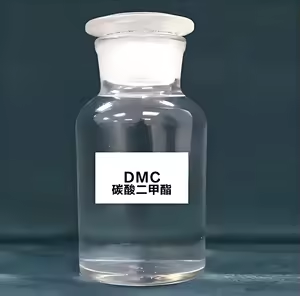
Dimethyl Carbonate (DMC) is a non-toxic, biodegradable, and versatile intermediate chemical, recognized globally as a green substitute for phosgene, methyl halides, and dimethyl sulfate. Its primary industrial use is as a methylation and carbonylation agent in pharmaceutical and agrochemical synthesis, as well as a high-performance solvent in battery electrolytes and coatings. The key value proposition lies in its unique combination of low toxicity, high solvency power, and compliance with volatile organic compound (VOC) reduction regulations. Strategically, DMC is critical for manufacturers transitioning toward sustainable chemistry, enabling lower environmental compliance costs while maintaining high reaction yields.
2. Key Specifications & Technical Characteristics
-
Chemical Formula: C₃H₆O₃ (CH₃O–CO–OCH₃)
-
Purity Grade: ≥ 99.5% (Industrial Grade) | ≥ 99.9% (Battery Grade / Ultra-high purity)
-
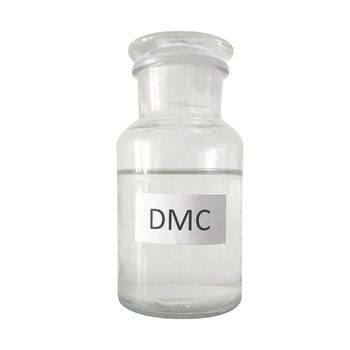
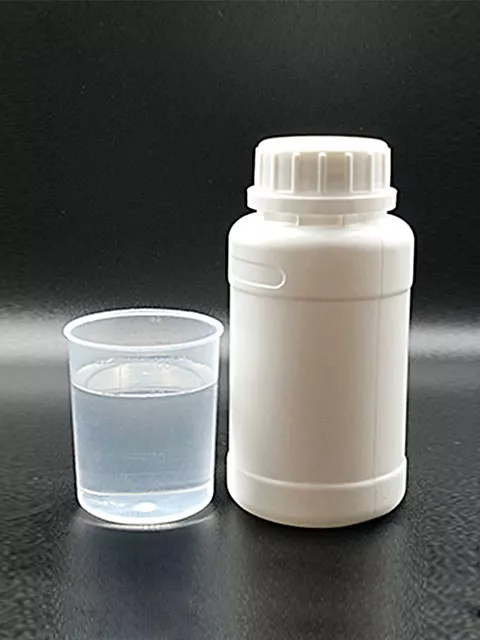
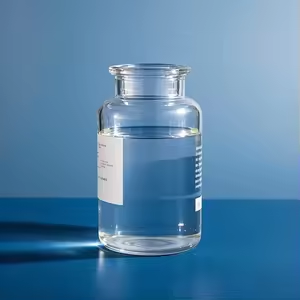
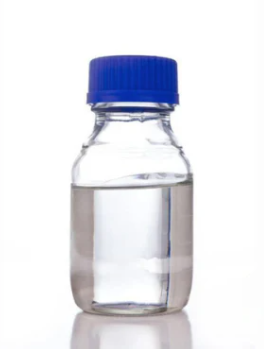
Physical Form: Clear, colorless liquid
-
Moisture Content: ≤ 0.05% (Industrial) / ≤ 0.01% (Battery Grade)
-
Density (20°C): 1.069 – 1.073 g/cm³
-
Boiling Point: 90 – 91°C
-
Flash Point: 18°C (closed cup)
-
Packaging Options:
-
200 kg net steel drums
-
1,000 kg IBC totes
-
ISO tank containers (20 MT)
-
Flexitanks (20 MT)
-
-
Shelf Life: 24 months when stored in original sealed containers under dry, ventilated conditions away from ignition sources
3. Core Industrial Applications
-
Lithium-Ion Battery Electrolytes (Battery Grade DMC):
Used as a polar aprotic solvent with high dielectric constant and low viscosity. DMC enables superior ionic conductivity and low-temperature performance compared to diethyl carbonate or ethylene carbonate blends, directly improving EV battery cycle life and safety. -
Pharmaceutical & Agrochemical Synthesis:
As a methylating agent, DMC replaces dimethyl sulfate (a carcinogen) and methyl iodide (costly). It achieves 85–95% methylation yields in API production (e.g., ibuprofen, paracetamol intermediates) without corrosive byproducts, reducing downstream neutralization costs. -
Polycarbonate Precursor (Non-phosgene route):
Reacts with bisphenol-A to produce polycarbonate plastics without phosgene gas, eliminating toxic waste streams and worker exposure risks—a key advantage for engineering plastics manufacturers facing REACH or TSCA audits. -
High-Solvency Coatings & Adhesives:
Replaces toluene, acetone, and ethyl acetate in polyurethane and acrylic formulations. DMC provides faster evaporative rate and lower VOC emissions (classified as “exempt solvent” in some regions), enabling compliance with EPA Rule 66 and EU Decopaint Directive.
4. Competitive Advantages
-
Quality Consistency: ISO 9001:2025 certified with batch-to-batch SPC control; each shipment includes CoA with GC-MS analysis for trace impurities (<100 ppm methanol, <50 ppm water).
-
Supply Reliability: Dual-sourced raw material (methanol + CO via oxidative carbonylation) with 50,000 MT/year production capacity; 99.5% on-time in-full delivery rate across Asia-Pacific, Europe, and North America.
-
Logistics Capability: UN-classified (UN 1161, Class 3 PG II) with hazardous cargo specialists; expedited customs clearance via Rotterdam, Houston, and Shanghai hubs.
-
Price Competitiveness: Long-term methanol hedging contracts allow fixed quarterly pricing ±3% range, eliminating spot market volatility.
-
Sustainability Advantage: 100% phosgene-free process; DMC is readily biodegradable (OECD 301D) and non-accumulative; supports buyer’s ESG Scope 3 reporting.
-
Technical Support: Dedicated application engineers provide reaction optimization, solvent substitution matrices, and safety data sheets (SDS) in 14 languages.
5. Commercial & Supply Information
-
Minimum Order Quantity (MOQ):
– 20 MT (one ISO tank or flexitank)
– 16 MT (80 drums of 200 kg net) -
Bulk Loading Capacity: 20 MT per 20-ft ISO tank container (maximum net weight).
– Container type: Stainless steel (316L) ISO tank, steam-cleaned and nitrogen-purged
– Palletized drums: 16 MT per 20-ft container (80 drums on 20 pallets)
– IBC totes: 20 MT per 20-ft container (20 x 1,000 kg IBCs)



Reviews
There are no reviews yet.