


Description
- Product Overview
Sodium dodecylbenzene sulfonate (SDBS) is a high-performance anionic surfactant widely used as a core active ingredient in industrial and institutional cleaning formulations. It delivers exceptional detergency, emulsification, and foaming performance, making it essential in the production of detergents, cleaners, and auxiliary chemical systems. Its strong surface-active properties ensure superior removal of oils, greases, and particulate soils across a wide range of applications. As a globally demanded surfactant, SDBS plays a strategic role in enabling cost-efficient, high-performance cleaning formulations across multiple industries. - Key Specifications & Technical Characteristics
- Chemical Composition: Sodium dodecylbenzene sulfonate (C18H29NaO3S)
- Active Matter Content: 85% – 95% (depending on grade)
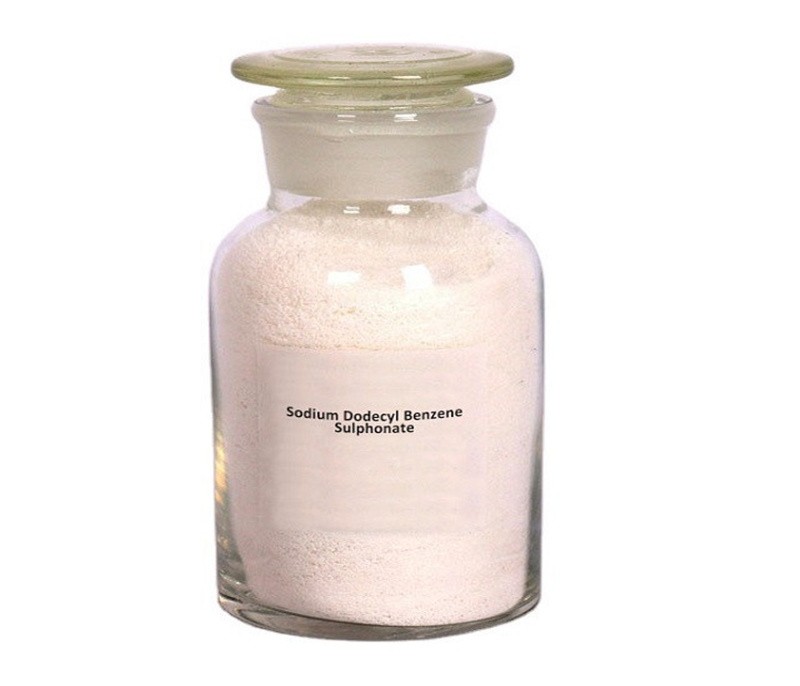
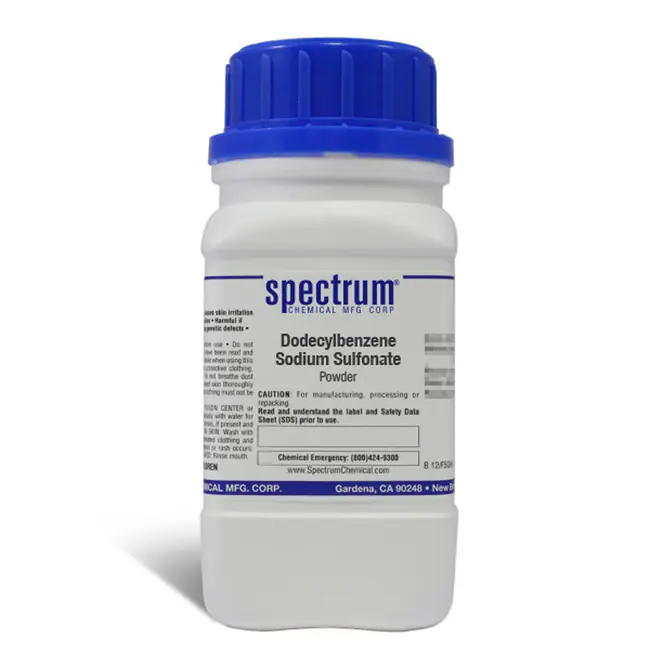
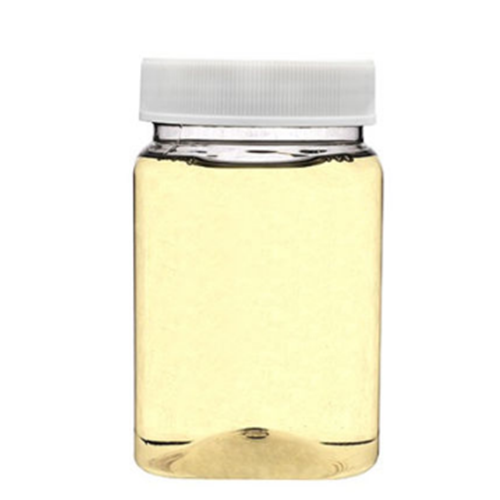
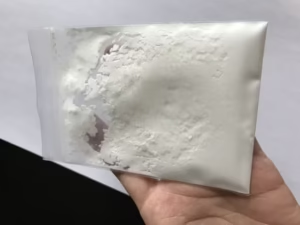
- Physical Form: White to light-yellow powder or granular solid
- Odor: Mild characteristic surfactant odor
- Solubility: Highly soluble in water
- pH (1% solution): 7.0 – 9.0
- Bulk Density: 0.20 – 0.50 g/cm³
- Moisture Content: ≤ 5%
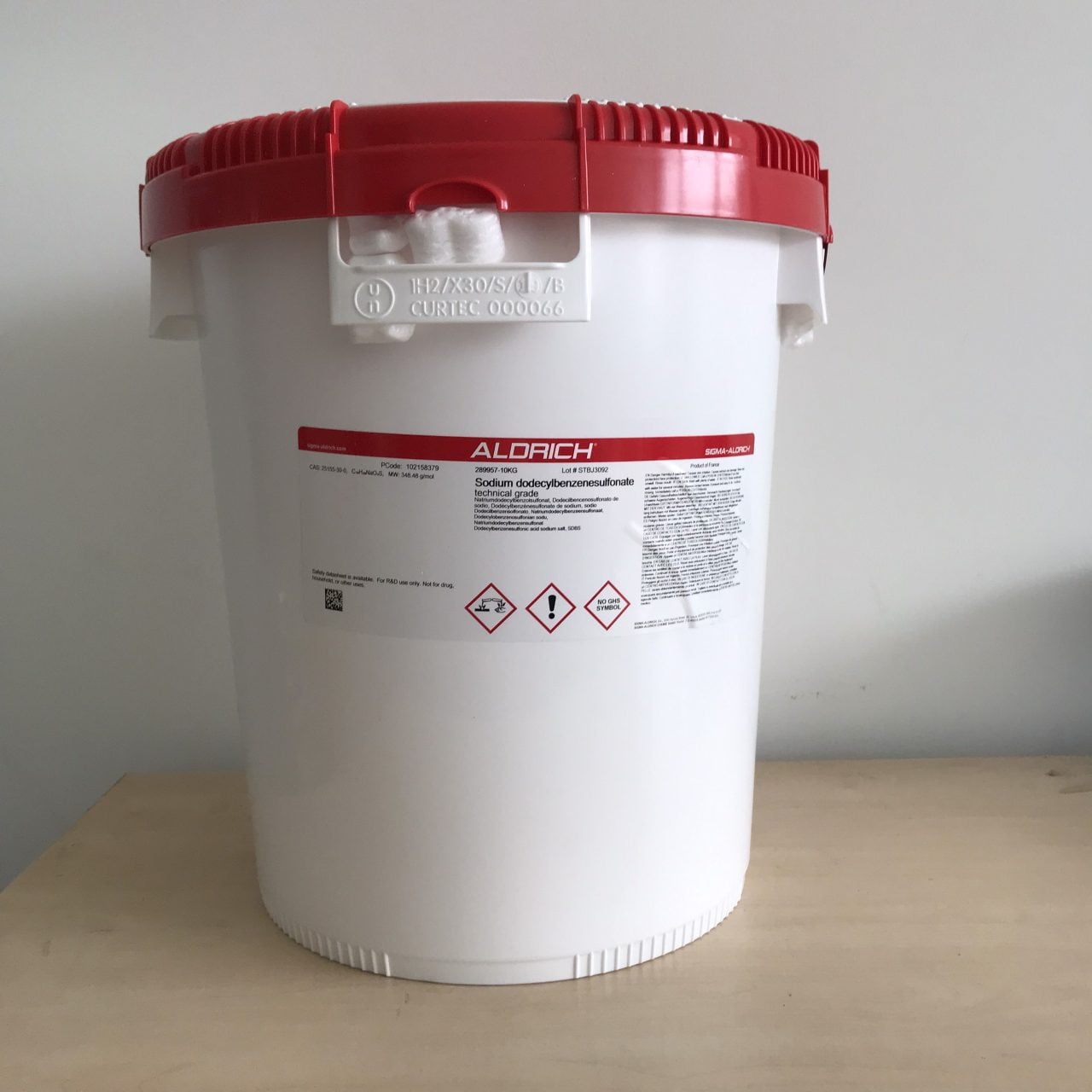
- Packaging Options: 25 kg kraft bags, 50 kg fiber drums, or customized bulk packaging
- Shelf Life: 24 months under recommended storage conditions
- Core Industrial Applications
- Detergent Manufacturing: Key raw material in laundry powders, liquid detergents, and dishwashing products
- Industrial Cleaning: Used in heavy-duty degreasers, metal cleaners, and institutional cleaning agents
- Textile Industry: Acts as a wetting and emulsifying agent in scouring and dyeing processes
- Agriculture: Used in pesticide formulations as a dispersing and emulsifying agent
- Oilfield Chemicals: Applied in enhanced oil recovery and drilling fluid systems
SDBS is preferred over many alternatives due to its strong foaming ability, high detergency efficiency, and cost-effective performance at low dosage levels, making it ideal for large-scale industrial formulations.
- Competitive Advantages
- Consistent Quality: Strict production control ensures stable active content and performance reliability
- Supply Reliability: Scalable production capacity supports continuous bulk supply for global demand
- Logistics Efficiency: Optimized packaging for safe long-distance transportation and bulk handling
- Cost Competitiveness: High performance at low inclusion rates reduces overall formulation cost
- Environmental Profile: Biodegradable surfactant with established compliance in regulated markets
- Technical Support: Full documentation, COA, MSDS, and formulation guidance available for industrial buyers
- Commercial & Supply Information
- Minimum Order Quantity (MOQ): BULK 20 MT
- Loading Capacity: 20–22 MT per 20′ FCL container
- Supply Format: Bulk shipment or palletized packaging depending on buyer requirement



Reviews
There are no reviews yet.