
Description
- Product Overview
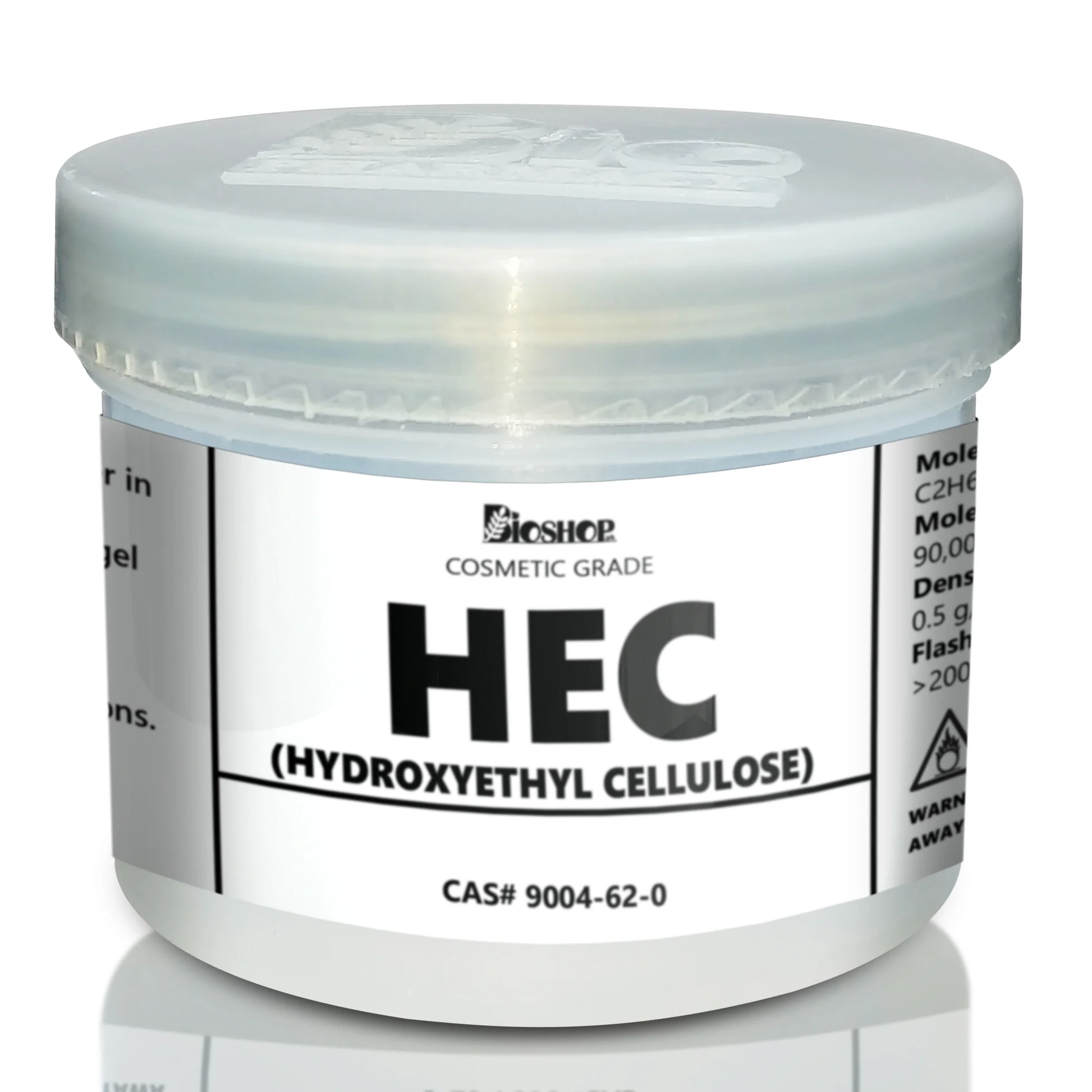
Hydroxyethyl cellulose (HEC) is a non-ionic, water-soluble cellulose ether derived from natural polymer cellulose and ethylene oxide modification. It is widely used as a rheology modifier, thickener, stabilizer, and water retention agent across multiple industrial formulations. Its primary industrial value lies in delivering superior viscosity control, stability, and performance consistency in aqueous systems. Strategically, HEC is critical in industries requiring precise flow behavior and formulation stability, including construction, coatings, personal care, and oilfield chemicals. Its versatility and compatibility with a wide range of chemical systems make it a high-demand functional additive in global supply chains. - Key Specifications & Technical Characteristics
- Chemical composition: Cellulose ether (polymer of anhydroglucose units modified with hydroxyethyl groups)
- Purity level / grade: Industrial grade / cosmetic grade / oilfield grade (customizable viscosity grades available)
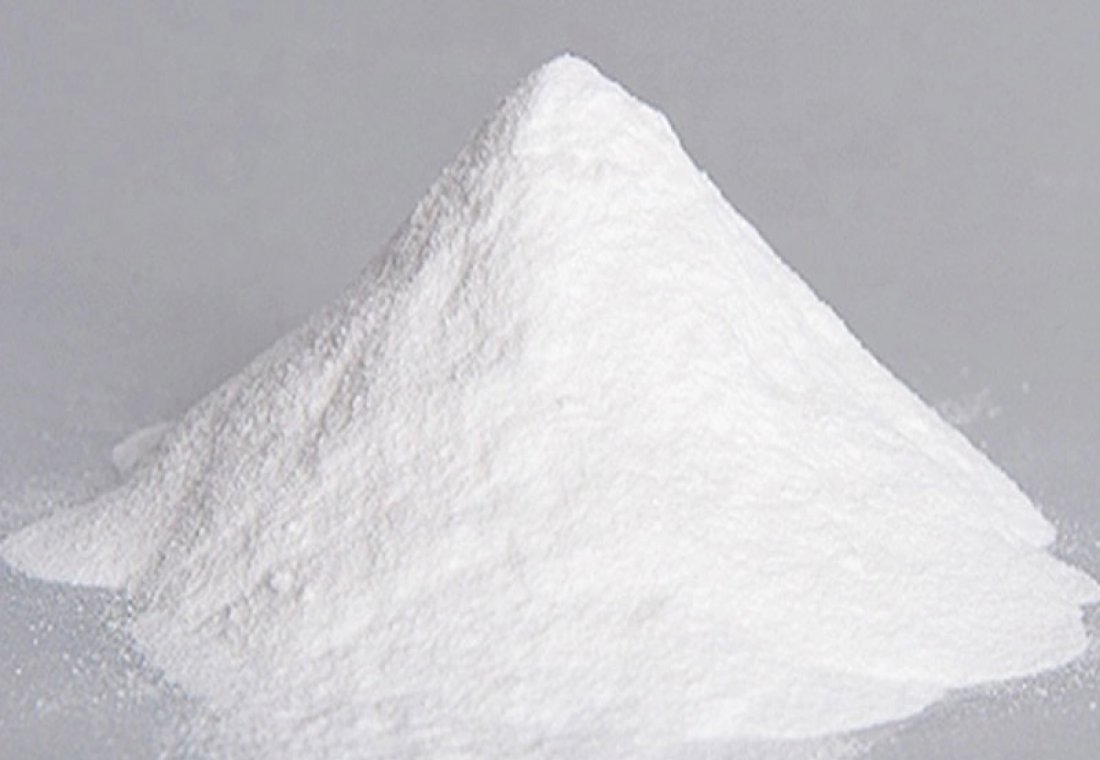
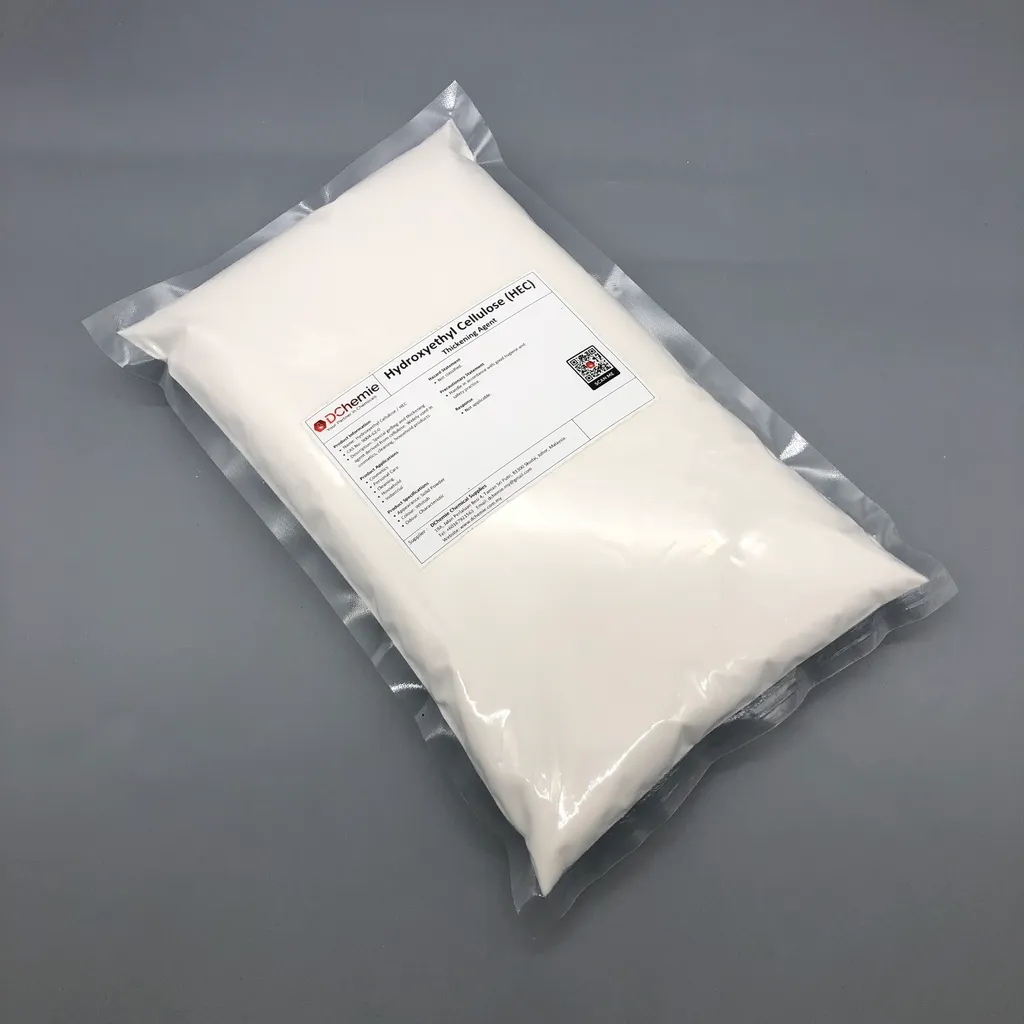
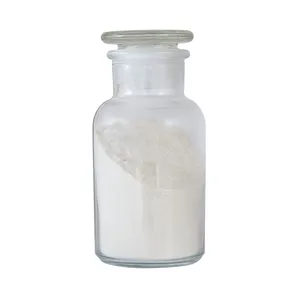
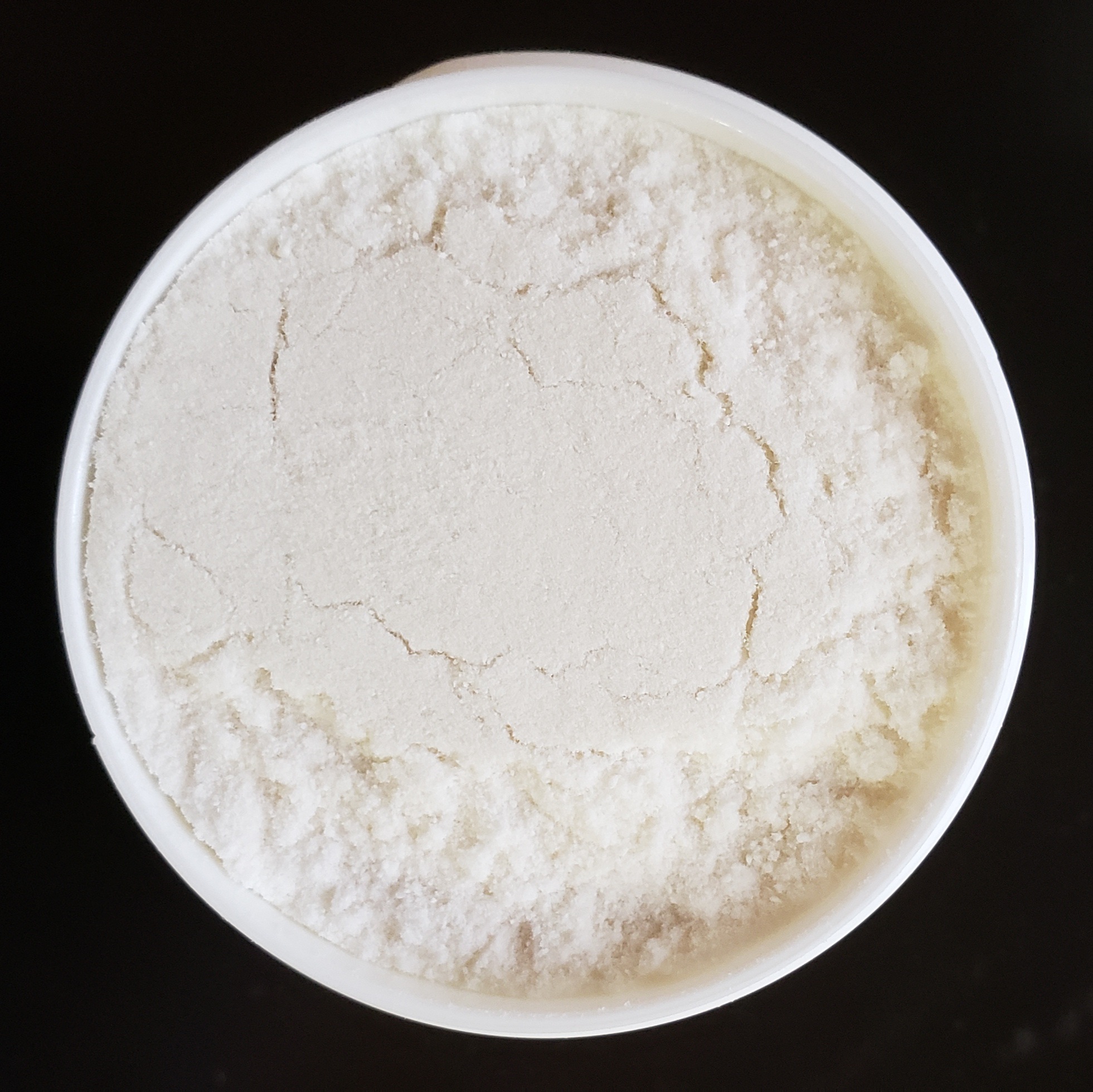
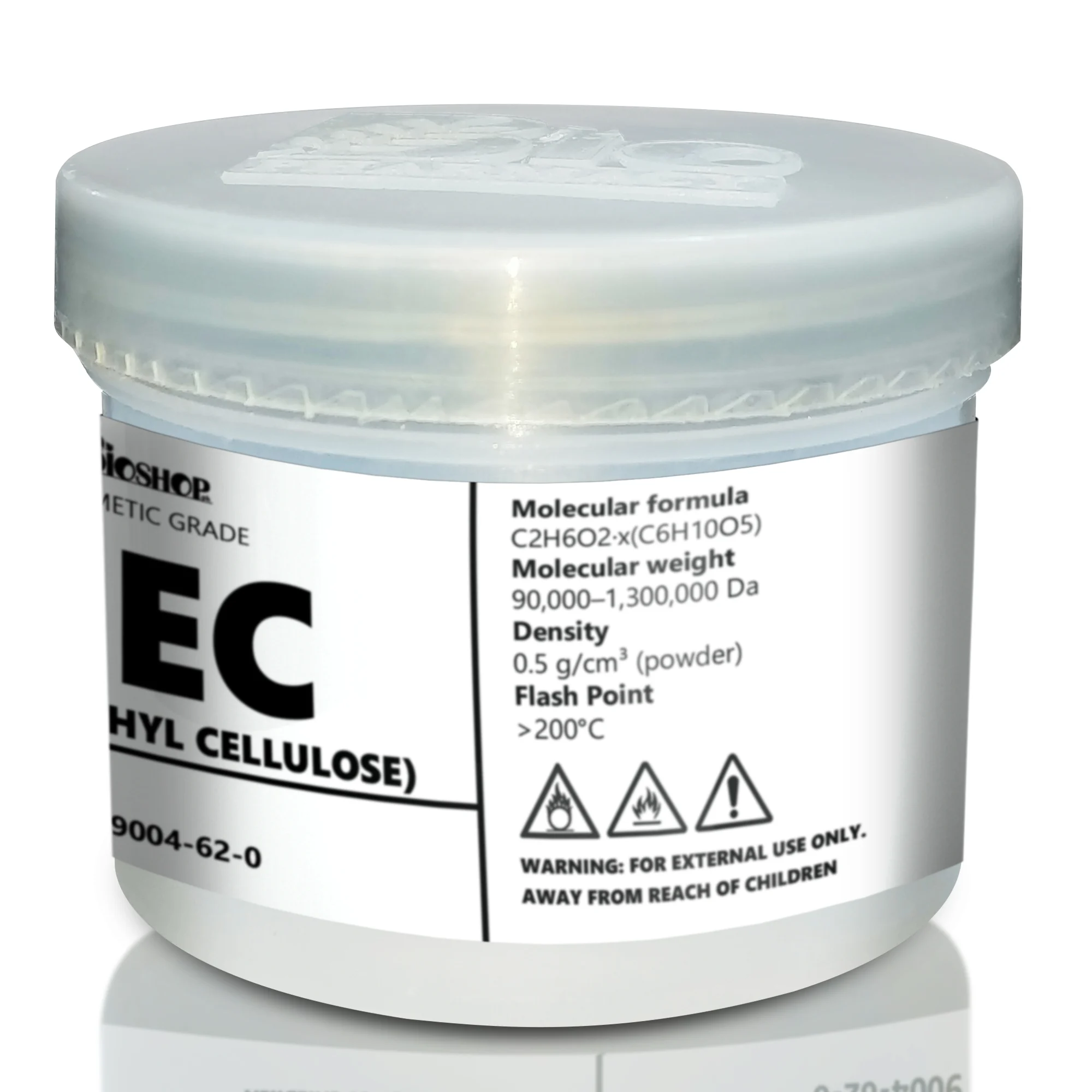
- Physical characteristics: White to off-white free-flowing powder
- Particle size: Typically 80–120 mesh (customizable on request)
- Viscosity range: Broad spectrum (5,000 – 100,000+ mPa·s depending on grade)
- Solubility: Fully soluble in cold and hot water, forming clear to slightly opalescent solutions
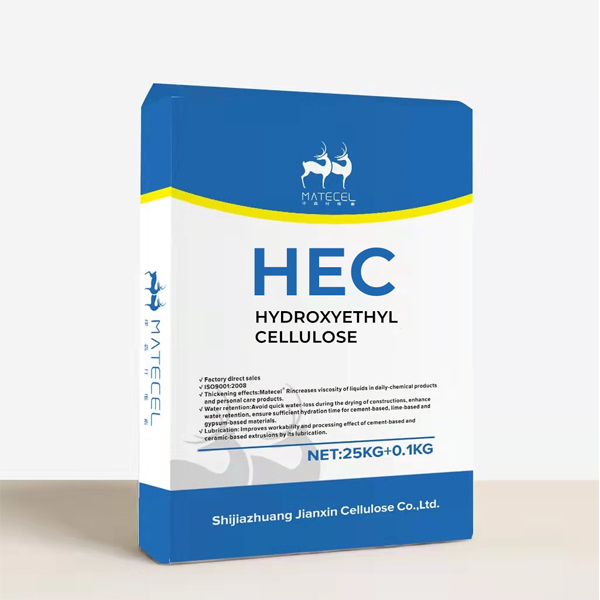
- Packaging options: 25 kg multi-layer kraft paper bags with inner PE liner or customized bulk packaging
- Shelf life: 24 months under sealed, dry storage conditions
- Core Industrial Applications
HEC is extensively used in construction materials such as cement-based mortars, tile adhesives, gypsum systems, and self-leveling compounds to improve workability, water retention, and open time. In the coatings and paints industry, it functions as a thickener and stabilizer, enhancing viscosity control and anti-sag performance. In personal care formulations, it is used in shampoos, lotions, and gels to improve texture and product stability. In oilfield applications, HEC serves as a drilling fluid additive for viscosity control and fluid loss reduction. Compared to alternatives such as CMC or synthetic polymers, HEC offers superior compatibility, broader pH stability, and improved formulation flexibility, making it a preferred choice for high-performance systems. - Competitive Advantages
HEC delivers exceptional quality consistency through controlled polymerization and strict quality assurance protocols. It ensures reliable global supply capability with scalable production capacity suitable for bulk industrial demand. Logistics efficiency is optimized through standardized packaging and export-ready handling systems. The product offers strong price competitiveness relative to synthetic rheology modifiers while maintaining high performance standards. Environmentally, it is partially derived from renewable cellulose sources, supporting greener formulation strategies. Comprehensive technical documentation and formulation support are available to assist industrial clients in optimizing application performance. - Commercial & Supply Information
- Minimum Order Quantity (MOQ): BULK 20 MT
- Loading Capacity: 20–22 MT per 20-foot container


Reviews
There are no reviews yet.