
Description
1. Product Overview
Polyethylene Glycol (PEG) is a versatile, water-soluble polymer derived from ethylene oxide, widely used across pharmaceutical, cosmetic, chemical, and industrial manufacturing sectors. It functions as a solvent, plasticizer, binder, and surfactant, offering exceptional lubricity, stability, and compatibility with a wide range of substances. PEG’s key value proposition lies in its tunable molecular weight, enabling customized performance across diverse applications. Strategically, it is indispensable in modern formulations due to its safety profile, processing efficiency, and adaptability, making it a cornerstone material in high-growth global industries.
2. Key Specifications & Technical Characteristics
- Chemical Composition: Polyether compound (HO–(CH₂CH₂O)n–H)
- Purity/Grade: Industrial, Cosmetic, and Pharmaceutical Grades (typically ≥99%)
- Molecular Weight Range: PEG 200 to PEG 20,000+ (customizable based on application)
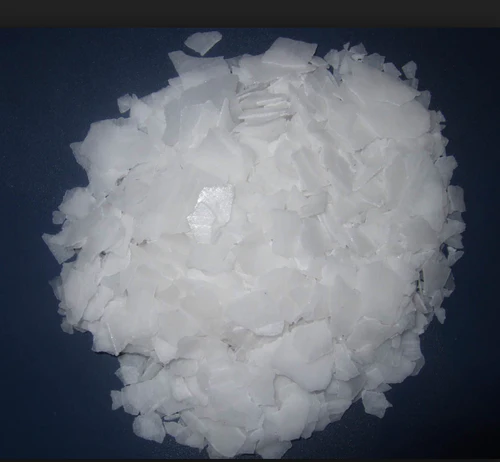
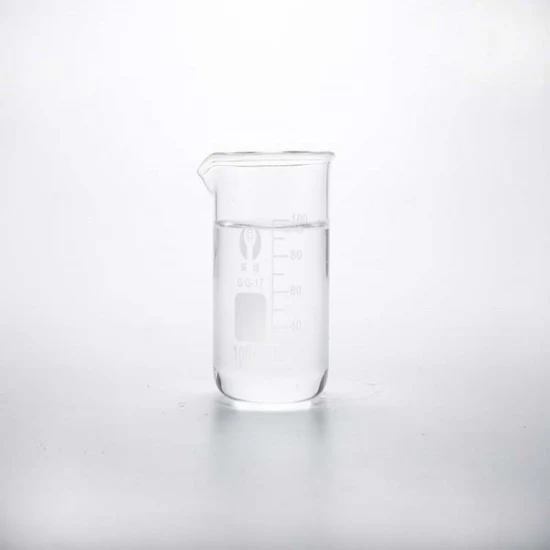
- Physical Form:
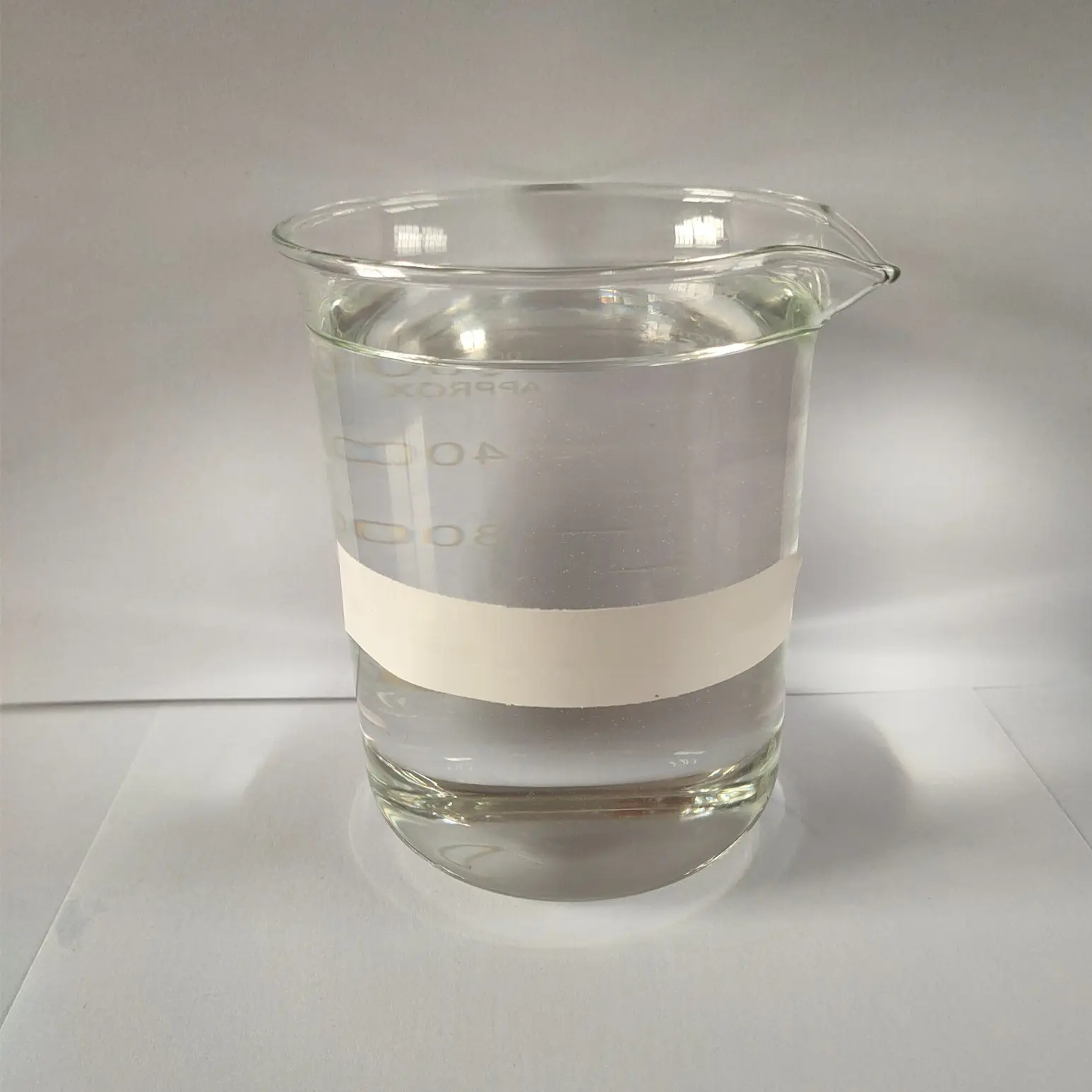
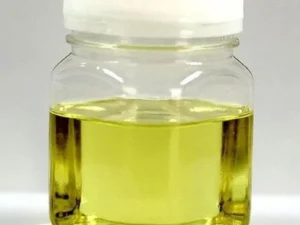
- Low MW: Clear, viscous liquid
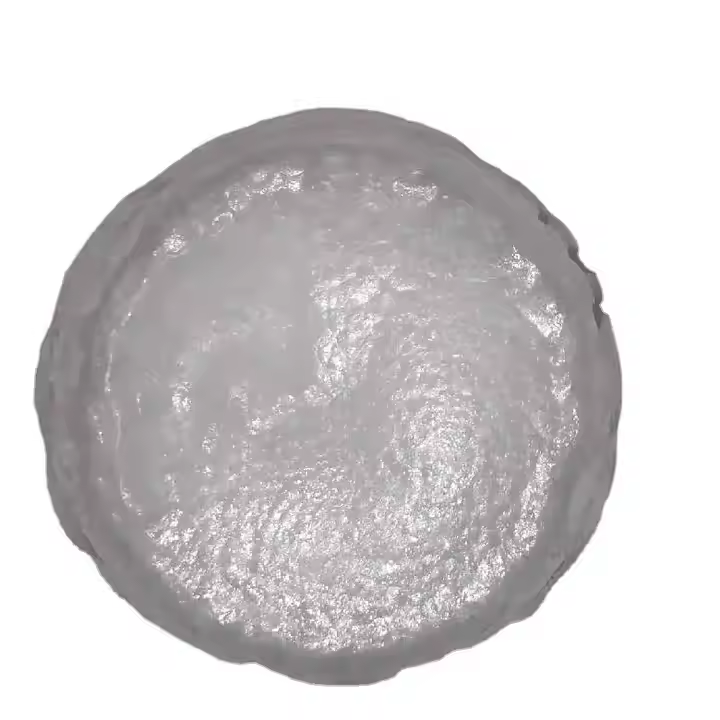
- High MW: White waxy solid/flakes/powder
- Color: Colorless to white
- Solubility: Fully soluble in water and many organic solvents
- Density: ~1.1–1.2 g/cm³ (varies by grade)
- Packaging Options:
- Drums (200–250 kg)
- IBC Tanks (1,000 kg)
- Bulk tanker supply
- Shelf Life: 24 months under recommended storage conditions (cool, dry, sealed environment)
3. Core Industrial Applications
Polyethylene Glycol is extensively utilized across multiple industries due to its multifunctional properties:
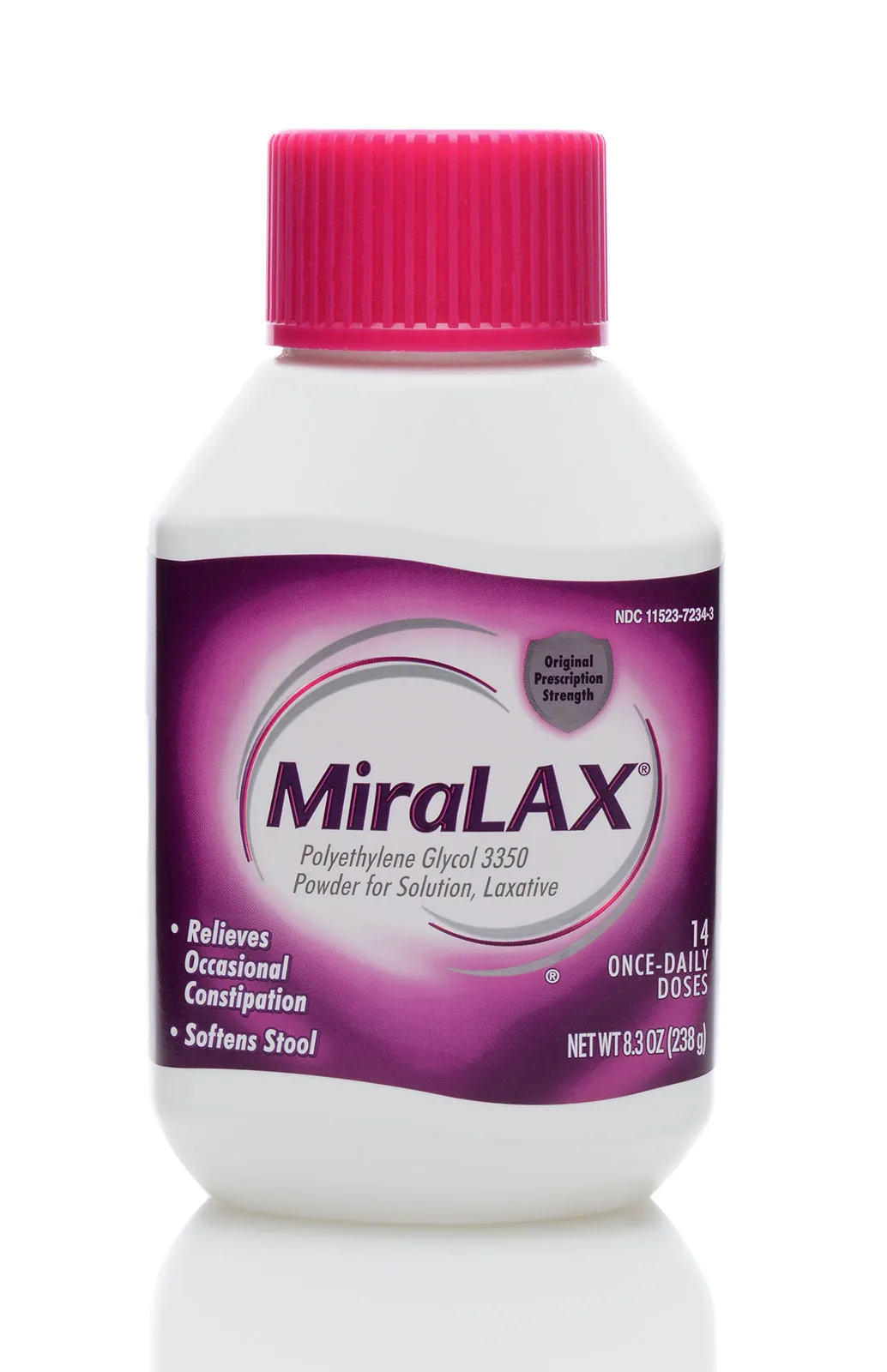
- Pharmaceuticals: Used as an excipient, drug carrier, and base for ointments and laxatives, enhancing drug solubility and bioavailability.
- Personal Care & Cosmetics: Acts as a moisturizer, emulsifier, and thickening agent in creams, lotions, and toothpaste formulations.
- Chemical Processing: Functions as a lubricant, dispersant, and anti-foaming agent in industrial formulations.
- Textiles & Rubber: Improves flexibility, processing efficiency, and surface finish.
- Construction & Coatings: Serves as a plasticizer and binder for improved material performance.
Compared to alternatives, PEG offers superior chemical stability, low toxicity, and broad compatibility, resulting in enhanced formulation efficiency, reduced processing costs, and consistent product performance.
4. Competitive Advantages
- Quality Consistency: Strict manufacturing controls ensure uniform molecular weight distribution and performance reliability
- Supply Reliability: Scalable production capacity with consistent global supply chain support
- Logistics Capability: Flexible packaging formats and efficient bulk handling for international shipment
- Price Competitiveness: Optimized production processes enable cost-effective sourcing at scale
- Sustainability: Low toxicity, biodegradable variants available, and compliance with global safety standards
- Technical Support: Comprehensive documentation, COA/MSDS availability, and formulation guidance for industrial buyers
5. Commercial & Supply Information
- Minimum Order Quantity (MOQ): BULK 20 MT
- Loading Capacity:
- 20 FT Container: ~16–20 MT (depending on packaging format)
- 40 FT Container: ~24–26 MT (bulk/IBC optimized)


Reviews
There are no reviews yet.