
Description
1. Product Overview
Stainless Steel Flange 316L — Corrosion Resistance is a precision-engineered pipe connection component manufactured from low-carbon 316L stainless steel, designed for demanding industrial environments where corrosion resistance and structural integrity are critical. These flanges are primarily used to connect pipes, valves, pumps, and other equipment within pressurized systems across chemical processing, oil & gas, marine, and pharmaceutical industries. The key value proposition lies in the superior resistance of 316L stainless steel to chlorides, acids, and aggressive process fluids, ensuring long-term operational reliability and reduced maintenance costs. Strategically, 316L flanges are widely specified in modern industrial infrastructure due to their durability, hygiene compatibility, and performance in highly corrosive environments.
2. Key Specifications & Technical Characteristics
- Material Composition:
- Stainless Steel Grade: ASTM A182 / A240 316L
- Chromium (Cr): ~16–18%
- Nickel (Ni): ~10–14%
- Molybdenum (Mo): ~2–3% for enhanced corrosion resistance
- Low carbon content (≤0.03%) to prevent carbide precipitation
- Purity Level / Grade:
- Industrial and process-grade stainless steel
- Conforms to ASTM / ASME / ANSI international standards
- Physical Characteristics:
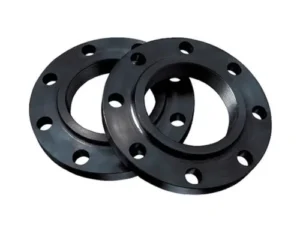
- Form: Forged flange component
- Surface finish: Machined or polished depending on specification
- Color: Metallic silver
- Density: Approximately 7.9–8.0 g/cm³
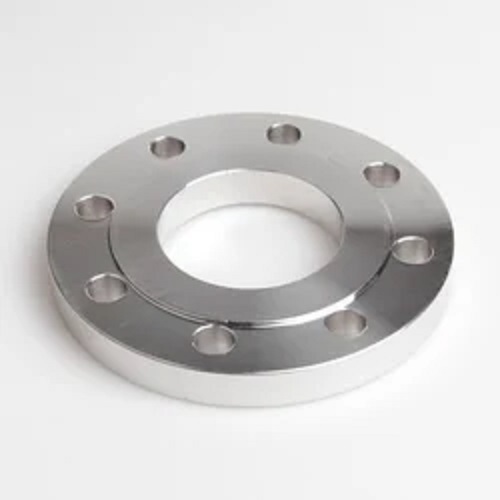
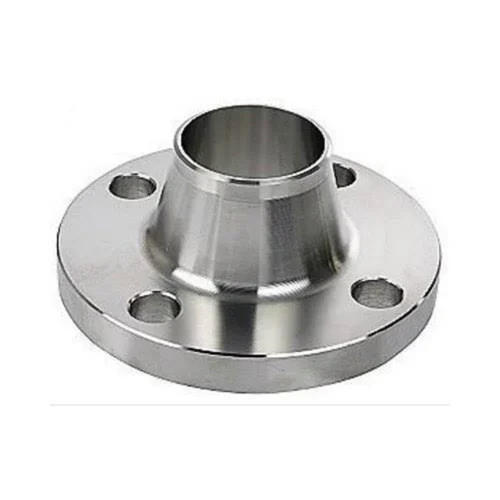
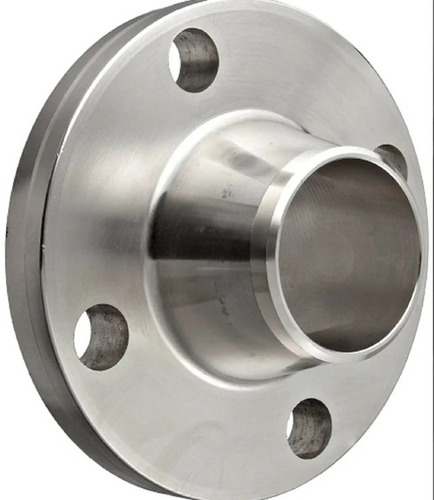
- Types available: Weld Neck (WN), Slip-On (SO), Blind (BL), Socket Weld (SW), Threaded (TH)
- Packaging Options:
- Export-grade wooden crates
- Palletized bulk packaging
- Protective anti-corrosion wrapping and plastic caps for sealing surfaces
- Shelf Life:
- Indefinite under proper storage conditions with corrosion protection
3. Core Industrial Applications
Primary Industries:
- Oil & gas processing facilities
- Chemical and petrochemical plants
- Marine and offshore engineering
- Pharmaceutical and food processing industries
- Water treatment and desalination systems
Operational Use Cases:
- Pipe-to-pipe and pipe-to-equipment connections in pressurized systems
- High-corrosion environments involving chlorides, acids, and seawater exposure
- Hygienic process piping in pharmaceutical and food production plants
- Structural piping connections in offshore platforms and marine systems
Performance & Cost Advantages:
316L stainless steel flanges provide superior corrosion resistance compared to standard stainless grades such as 304, particularly in chloride-rich environments. The low carbon composition minimizes intergranular corrosion after welding, improving long-term structural reliability. These characteristics reduce maintenance frequency, extend system lifespan, and lower total lifecycle cost for industrial piping systems.
4. Competitive Advantages
- Quality Consistency: Manufactured under strict ASTM and ASME compliance with dimensional precision
- Supply Reliability: Scalable production capacity supporting large industrial procurement volumes
- Logistics Capability: Global export-ready packaging and containerized shipment handling
- Price Competitiveness: Efficient manufacturing processes enabling competitive bulk pricing
- Sustainability Benefits: Stainless steel is fully recyclable and supports long-term asset durability
- Technical Documentation: Mill Test Certificates (MTC), material traceability reports, and compliance certifications available
Positioned as a strategic piping infrastructure component, Stainless Steel Flange 316L ensures corrosion-resistant performance, operational safety, and long-term reliability in critical industrial systems.
5. Commercial & Supply Information
- Minimum Order Quantity (MOQ): BULK 20MT
- Loading Capacity (MT per container): Approximately 20–25 MT per 20’ container depending on flange size and packaging configuration
Reviews
There are no reviews yet.