
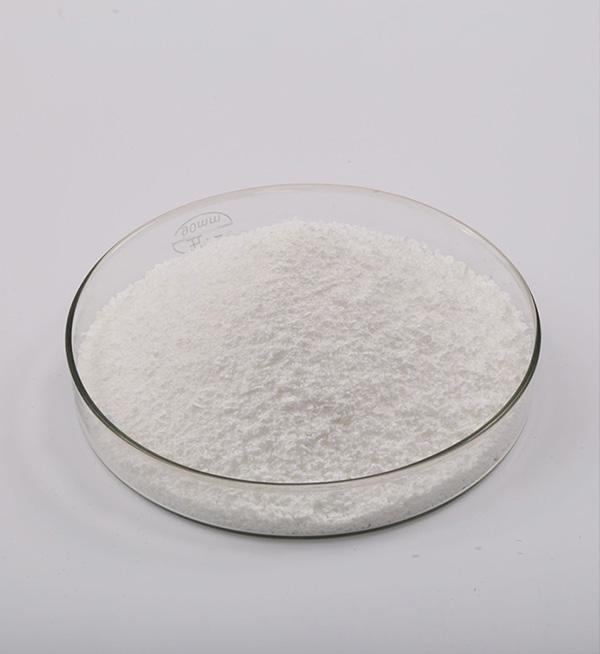
Description
LiFSI: Unlocking the Future of Lithium-Ion Batteries with a Next-Generation Electrolyte Salt
In the relentless pursuit of more powerful, safer, and longer-lasting lithium-ion batteries, the electrolyte stands as a silent yet pivotal component. While lithium hexafluorophosphate (LiPF6) has long been the industry standard, its inherent limitations are driving the search for superior alternatives. Among the most promising contenders is Lithium bis(fluorosulfonyl)imide, commonly known as LiFSI.
The Crucial Role of the Electrolyte
Before diving into LiFSI, it’s essential to understand the electrolyte’s function. In a lithium-ion battery, the electrolyte acts as the medium through which lithium ions shuttle back and forth between the anode and cathode during charge and discharge cycles. It must possess high ionic conductivity, electrochemical stability across a wide voltage range, and thermal stability to ensure safe operation.
Why LiPF6 Falls Short
LiPF6 excels in its good ionic conductivity and its ability to form a stable Solid Electrolyte Interphase (SEI) on the anode (a protective layer crucial for battery longevity). However, it suffers from several drawbacks:
- Thermal Instability: LiPF6 decomposes at relatively low temperatures, leading to gas generation and safety concerns, especially at elevated temperatures or during thermal runaway events.
- Hydrolysis: It reacts readily with trace moisture to form hydrofluoric acid (HF), which is highly corrosive to battery components and degrades performance over time.
- Limited Voltage Window: Its stability diminishes at higher voltages, restricting the use of high-voltage cathode materials that could otherwise offer greater energy density.
Enter LiFSI: A Promising Alternative
LiFSI, with its unique chemical structure featuring a robust imide anion ([(FSO2)2N]-), presents a compelling alternative that addresses many of LiPF6’s weaknesses.
Key Advantages of LiFSI:
- Superior Thermal Stability: LiFSI boasts a significantly higher thermal decomposition temperature than LiPF6, contributing to enhanced battery safety and stability, particularly in demanding applications or high-temperature environments.
- Excellent Electrochemical Stability: It remains stable over a wider voltage range, enabling the use of high-voltage cathode materials (e.g., nickel-rich NMC cathodes) that promise greater energy density and longer driving ranges for electric vehicles.
- Improved SEI Formation: LiFSI often forms a more compact, stable, and flexible SEI layer on the anode compared to LiPF6. This translates to reduced impedance growth, better cycling performance, and improved safety.
- Enhanced Low-Temperature Performance: Electrolytes containing LiFSI typically exhibit lower viscosity and higher ionic conductivity at sub-zero temperatures, leading to better cold-weather performance for devices and electric vehicles.
- Reduced Corrosivity (to some extent): While still reacting with moisture, LiFSI’s hydrolysis product (HFSI) is generally less corrosive to battery components than HF from LiPF6, contributing to longer cycle life.
- Non-Flammability: The LiFSI salt itself, and its solvents, offer a reduced risk of flammability compared to conventional LiPF6 electrolytes, although the overall electrolyte flammability depends on the solvent choice.
The Challenges of LiFSI:
Despite its impressive advantages, LiFSI is not without its hurdles, which have limited its widespread adoption as a standalone electrolyte salt:
- Aluminum Current Collector Corrosion: This is the most significant challenge. The LiFSI anion, particularly in the presence of trace water, can corrode the aluminum current collector typically used in the cathode, especially at higher temperatures and voltages. This leads to increased resistance and battery degradation.
- Higher Cost: The synthesis of LiFSI is generally more complex and expensive than that of LiPF6, which increases the overall cost of the battery.
- Hygroscopicity: While less hygroscopic than LiPF6, LiFSI still absorbs moisture from the air, requiring very dry manufacturing conditions.
Current Applications and Future Outlook
Due to the aluminum corrosion issue, LiFSI is currently more commonly used as an additive in small concentrations (typically 1-5%) to LiPF6-based electrolytes. In this role, it can significantly improve the thermal stability, low-temperature performance, and SEI quality of conventional electrolytes without causing severe aluminum corrosion.
However, intense research is underway to overcome the corrosion problem, including:
- Developing new electrolyte formulations: Blending LiFSI with other lithium salts or using specific co-solvents and additives that passivate the aluminum surface.
- Exploring alternative current collectors: Investigating corrosion-resistant materials like stainless steel or carbon-coated aluminum.
- Using protective coatings: Applying thin, protective layers on the aluminum foil.
Should these challenges be effectively mitigated, LiFSI has the potential to become a dominant electrolyte salt in:
- High-energy density batteries: Enabling the next generation of electric vehicles and grid-scale energy storage.
- Solid-state batteries: Its excellent ionic conductivity and thermal stability make it an attractive candidate for solid polymer electrolytes.
- High-voltage applications: Paving the way for more powerful and efficient battery systems.
In conclusion, Lithium bis(fluorosulfonyl)imide (LiFSI) represents a critical step forward in electrolyte technology for lithium-ion batteries. While its superior performance characteristics offer a tantalizing glimpse into a future of safer, more robust, and higher-performing energy storage solutions, overcoming the aluminum corrosion hurdle remains the key to unlocking its full potential and cementing its place as the next-generation electrolyte standard.



Reviews
There are no reviews yet.