
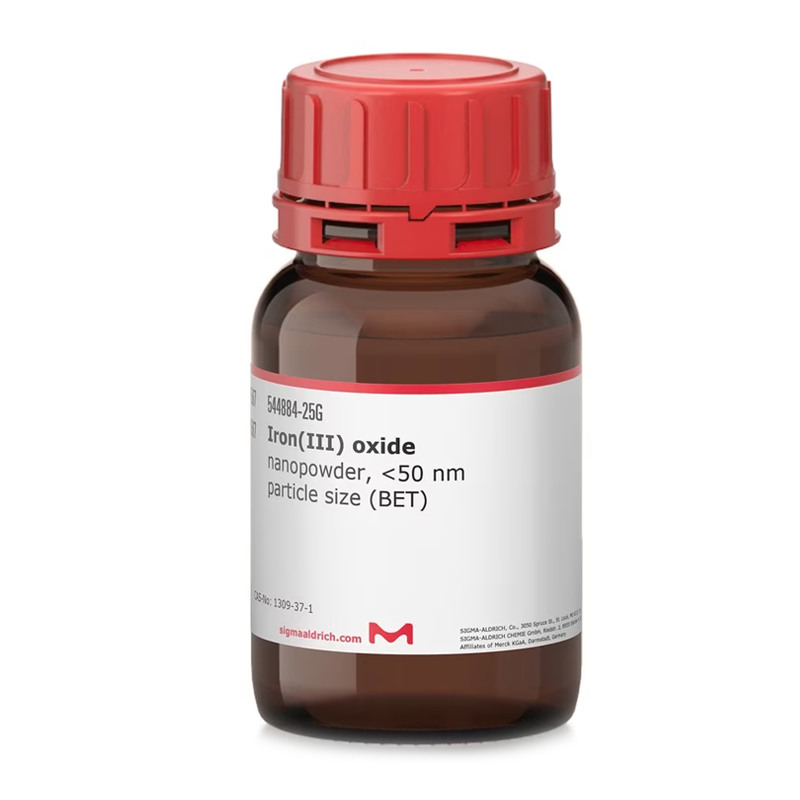
Description
The Rusty Marvel: Exploring the Versatile World of Iron Oxide
Iron oxide, often instantly associated with rust, is far more than just a sign of decay. It’s a diverse family of chemical compounds formed by the combination of iron and oxygen, and its applications stretch far beyond simply corroding metal. From pigments in art to crucial components in data storage, iron oxide plays a surprising and significant role in our world.
Understanding the Family:
The term “iron oxide” encompasses a variety of compounds, each with its own unique properties and uses. The most common include:
- Iron(II) oxide (FeO), also known as Wüstite: This black powder is rarely found in nature on Earth but is present in meteorites and deep within the Earth’s mantle.
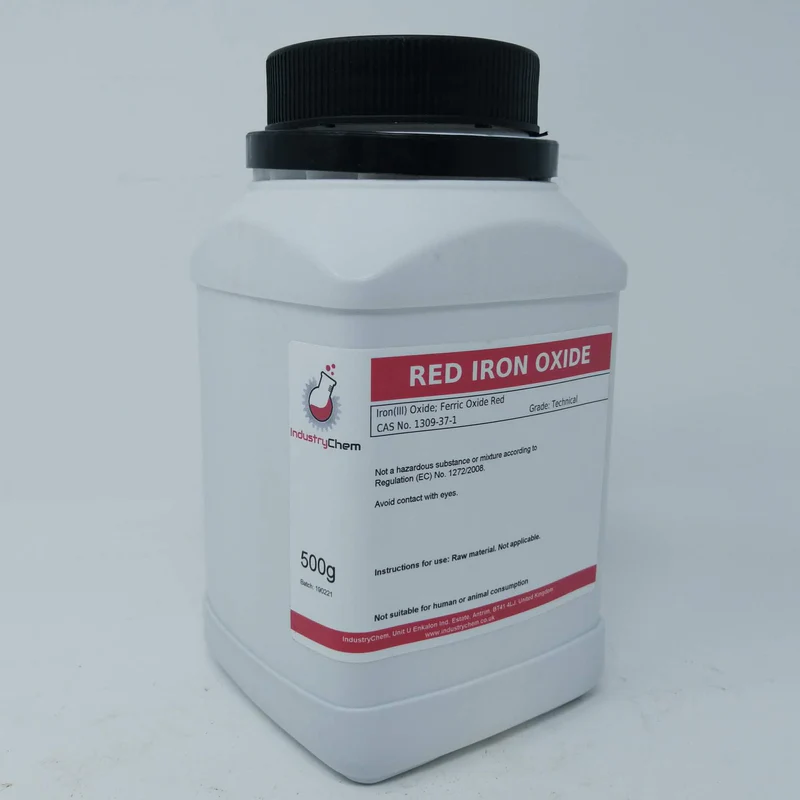
- Iron(III) oxide (Fe₂O₃), commonly known as Rust: This is the most familiar form, appearing as reddish-brown rust formed when iron reacts with oxygen and water. It exists in several polymorphs, including hematite and maghemite, each with different crystal structures and magnetic properties.
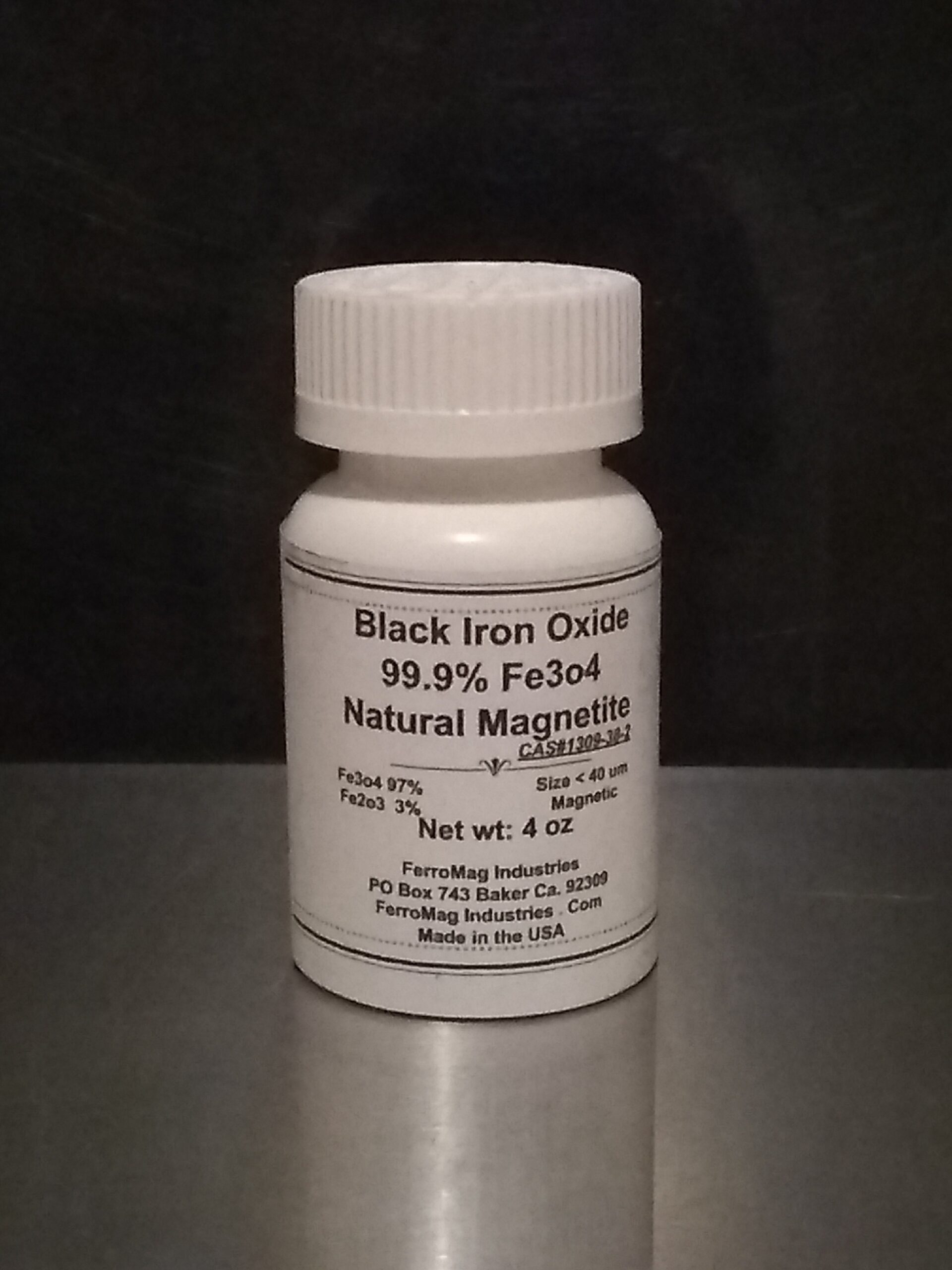
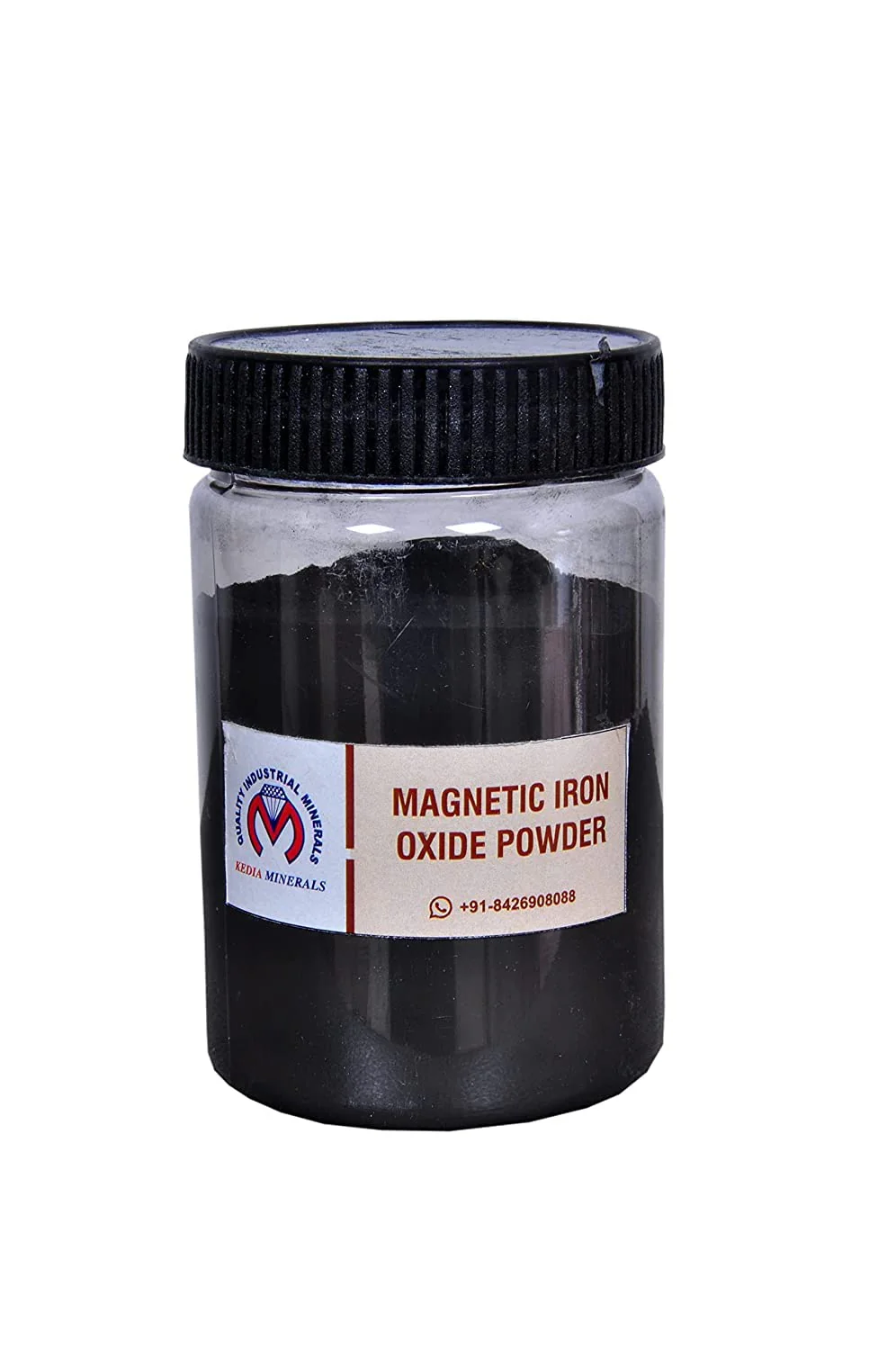
- Iron(II,III) oxide (Fe₃O₄), also known as Magnetite: Characterized by its strong magnetism, magnetite is a black or brownish-black mineral found naturally in rocks and sands.
Beyond Rust: A Spectrum of Applications:
The diverse properties of iron oxides allow for a wide range of applications:
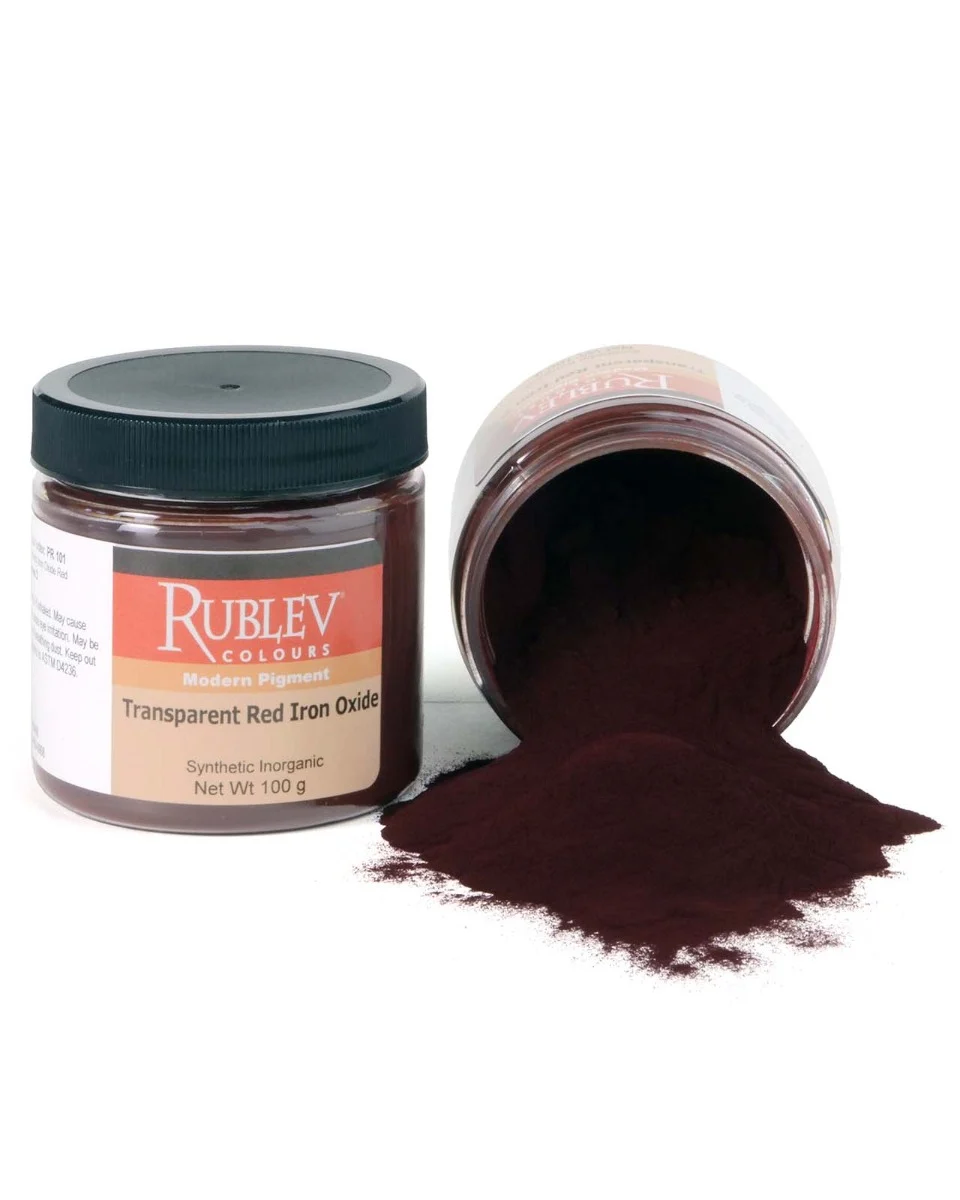
- Pigments: Historically, iron oxides have been used for centuries as pigments in paints, ceramics, and cosmetics. Different forms produce a spectrum of colors, from the familiar reds and browns (hematite) to yellows and ochres (goethite) and even blacks (magnetite). These pigments are valued for their stability, affordability, and non-toxicity. Think of the iconic red ochre used in prehistoric cave paintings – a testament to the longevity of iron oxide pigments.
- Magnetic Recording Media: Magnetite and maghemite are crucial components in magnetic recording media like audio tapes and hard drives. Their magnetic properties allow for data to be stored and retrieved. While newer technologies are emerging, iron oxide played a pivotal role in the development of modern data storage.
- Catalysis: Certain iron oxides act as catalysts in various chemical reactions, including the Haber-Bosch process for ammonia production, a cornerstone of modern agriculture. Their ability to facilitate chemical transformations makes them invaluable in industrial processes.
- Medical Applications: Iron oxide nanoparticles are being explored for a variety of medical applications, including targeted drug delivery, magnetic resonance imaging (MRI) contrast agents, and hyperthermia cancer therapy. Their biocompatibility and magnetic properties make them promising candidates for advancements in diagnostics and treatment.
- Water Treatment: Iron oxides are used in water treatment processes to remove contaminants like arsenic and other heavy metals. Their high surface area allows them to effectively adsorb these pollutants, leading to cleaner and safer drinking water.
- Construction Materials: Iron oxides are often added to concrete and other building materials to impart color and improve durability.
The Ongoing Research:
Scientists are constantly exploring new applications for iron oxides, driven by their unique properties and relative abundance. Research is focused on developing novel nanomaterials, improving catalytic efficiency, and expanding their use in biomedical applications. The future of iron oxide is bright, with ongoing research promising to unlock even more of its potential.
Conclusion:
From the humble beginnings of rust to its sophisticated applications in data storage and medicine, iron oxide is a remarkable material with a rich history and a promising future. This “rusty marvel” continues to surprise and innovate, demonstrating the power and versatility found within even the most common chemical compounds. So, the next time you see rust, remember that it’s just one face of a complex and incredibly useful family of compounds that plays a vital role in shaping our world.

Reviews
There are no reviews yet.