



Description
The Mighty Iron Catalyst: A Sustainable Solution Powering Modern Chemistry
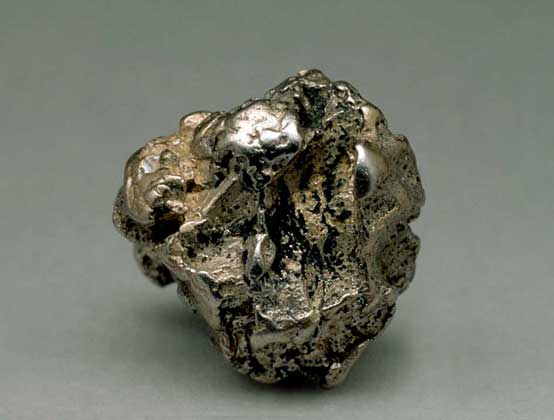
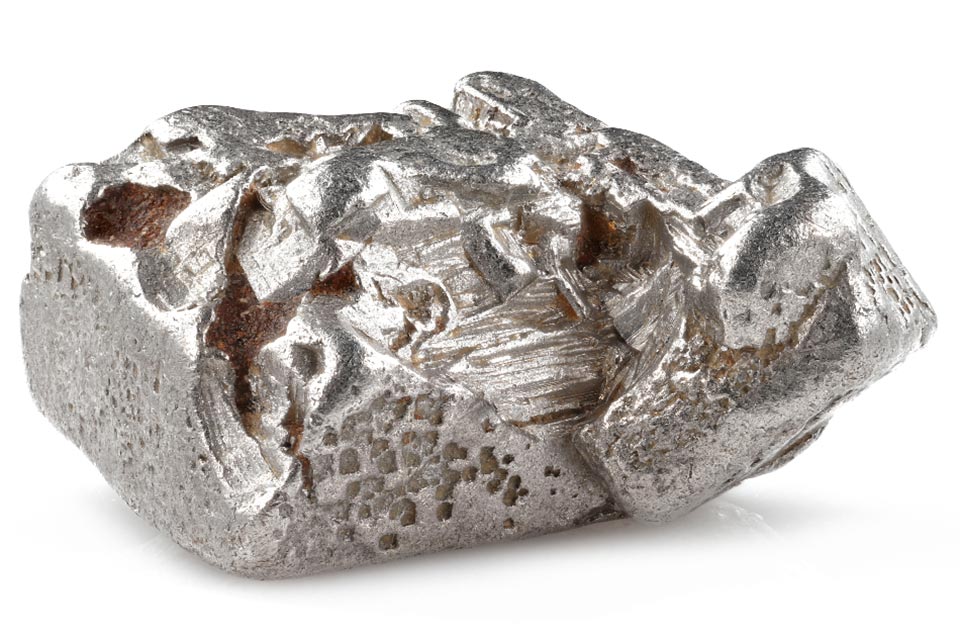
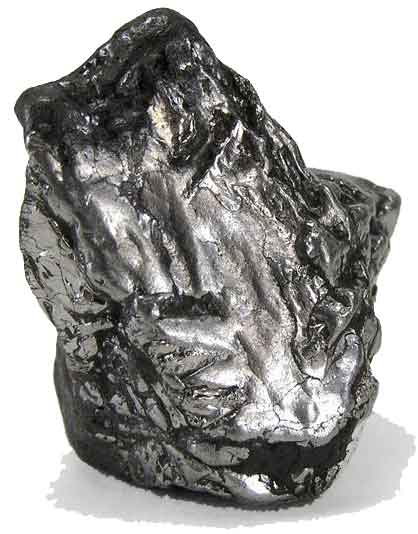
Iron, the fourth most abundant element in the Earth’s crust, has long been relegated to the role of structural material. However, in recent years, this humble metal has undergone a renaissance in the world of catalysis, emerging as a powerful and sustainable alternative to more expensive and often toxic transition metals like palladium, rhodium, and platinum.
What is Iron Catalysis?
Catalysis, in general, is the acceleration of a chemical reaction by a substance (the catalyst) that is not consumed in the process. Iron catalysts are compounds containing iron atoms that facilitate specific chemical transformations. These catalysts work by providing an alternative reaction pathway with a lower activation energy, allowing reactions to proceed faster and often under milder conditions.
Why the Shift to Iron?
Several compelling reasons are driving the increasing interest in iron catalysts:
- Abundance and Cost-Effectiveness: Iron is significantly cheaper and more readily available than many other transition metals used in catalysis. This translates to lower production costs and broader accessibility.
- Low Toxicity and Environmental Friendliness: Compared to heavy metals, iron exhibits significantly lower toxicity. This makes iron catalysts a more environmentally benign choice, aligning with the growing demand for sustainable chemical processes.
- Versatility and Reactivity: Despite being less explored than other transition metals, iron has proven surprisingly versatile, capable of catalyzing a wide range of reactions. Ongoing research continues to uncover new and exciting applications.
Applications of Iron Catalysts: A Diverse Portfolio
The versatility of iron catalysis is evident in the diverse range of reactions it can facilitate. Here are some key areas where iron catalysts are making a significant impact:
- Cross-Coupling Reactions: Historically dominated by palladium catalysts, cross-coupling reactions are fundamental in organic synthesis for building complex molecules. Iron catalysts are now proving to be viable and sustainable alternatives in various cross-coupling applications, particularly in the formation of carbon-carbon and carbon-nitrogen bonds.
- Oxidation Reactions: Iron’s ability to readily cycle between different oxidation states makes it an excellent catalyst for oxidation reactions. These reactions are crucial in various industries, including the production of polymers, pharmaceuticals, and fine chemicals. Iron catalysts are employed in reactions like epoxidation, hydroxylation, and oxidative desulfurization.
- Hydrogenation and Reduction Reactions: Iron-based catalysts can efficiently catalyze hydrogenation reactions, adding hydrogen atoms to unsaturated compounds. This is vital in the production of fuels, pharmaceuticals, and other valuable chemicals. Iron catalysts are also used in various reduction reactions, offering sustainable alternatives to traditional reducing agents.
- Polymerization: Iron complexes are increasingly being used as catalysts in polymerization reactions, the process of joining small molecules (monomers) to create larger chains (polymers). These catalysts offer advantages in terms of reactivity, selectivity, and the ability to control polymer properties.
- Biomimetic Chemistry: Iron is an essential element in many biological enzymes, playing crucial roles in reactions like oxygen transport and activation. Inspired by nature, researchers are developing iron-based catalysts that mimic the activity of these enzymes, leading to new and efficient catalytic systems for various chemical transformations.
Challenges and Future Directions:
Despite the promising advances in iron catalysis, challenges remain:
- Air and Moisture Sensitivity: Many iron catalysts are sensitive to air and moisture, requiring specialized handling and reaction conditions.
- Catalyst Design and Optimization: Developing highly active and selective iron catalysts for specific reactions requires further research and optimization.
- Understanding Reaction Mechanisms: A deeper understanding of the reaction mechanisms involved in iron-catalyzed reactions is crucial for rational catalyst design and improvement.
Future research efforts are focusing on:
- Developing more robust and air-stable iron catalysts.
- Designing ligand systems that enhance the activity and selectivity of iron catalysts.
- Exploring new reaction pathways and applications for iron catalysts.
- Utilizing computational methods to predict and optimize catalyst performance.
Conclusion:
Iron catalysts represent a significant advancement in sustainable chemistry. Their abundance, low toxicity, and versatility make them an attractive alternative to traditional, more expensive, and potentially harmful catalysts. As research continues to unlock the full potential of iron catalysis, we can expect to see even wider adoption of these powerful and environmentally friendly tools in various chemical industries, contributing to a more sustainable future.


Reviews
There are no reviews yet.