


Description
Cocamide DEA: What You Need to Know About This Common Cosmetic Ingredient
Cocamide DEA, a common ingredient found in a variety of personal care products, has garnered both attention and concern in recent years. While it’s widely used for its desirable properties, understanding what it is and its potential risks is crucial for making informed choices about the products you use.
What is Cocamide DEA?
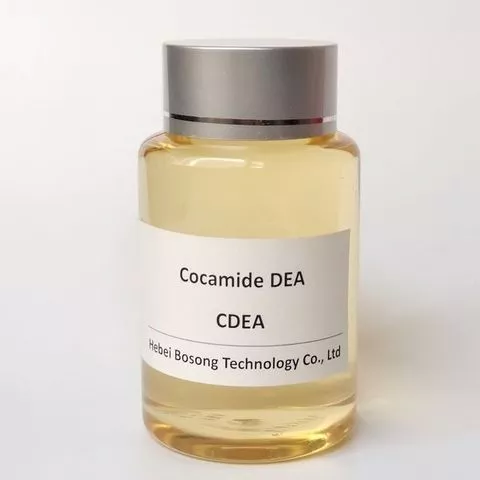
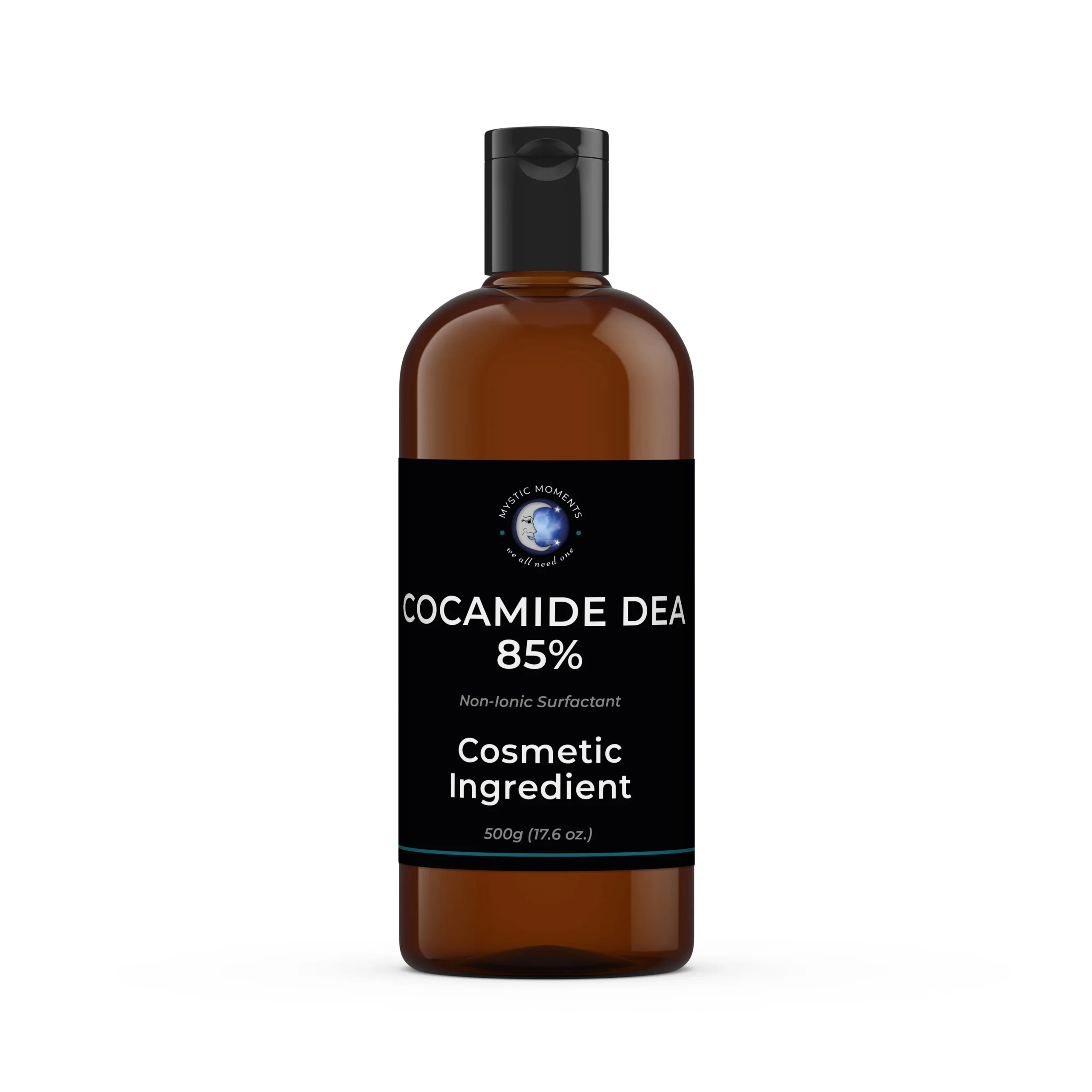
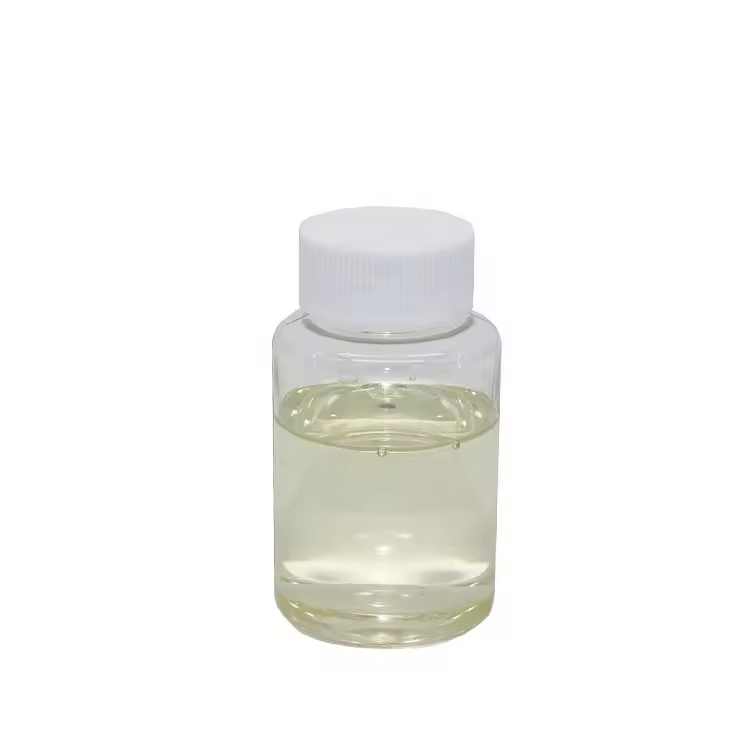
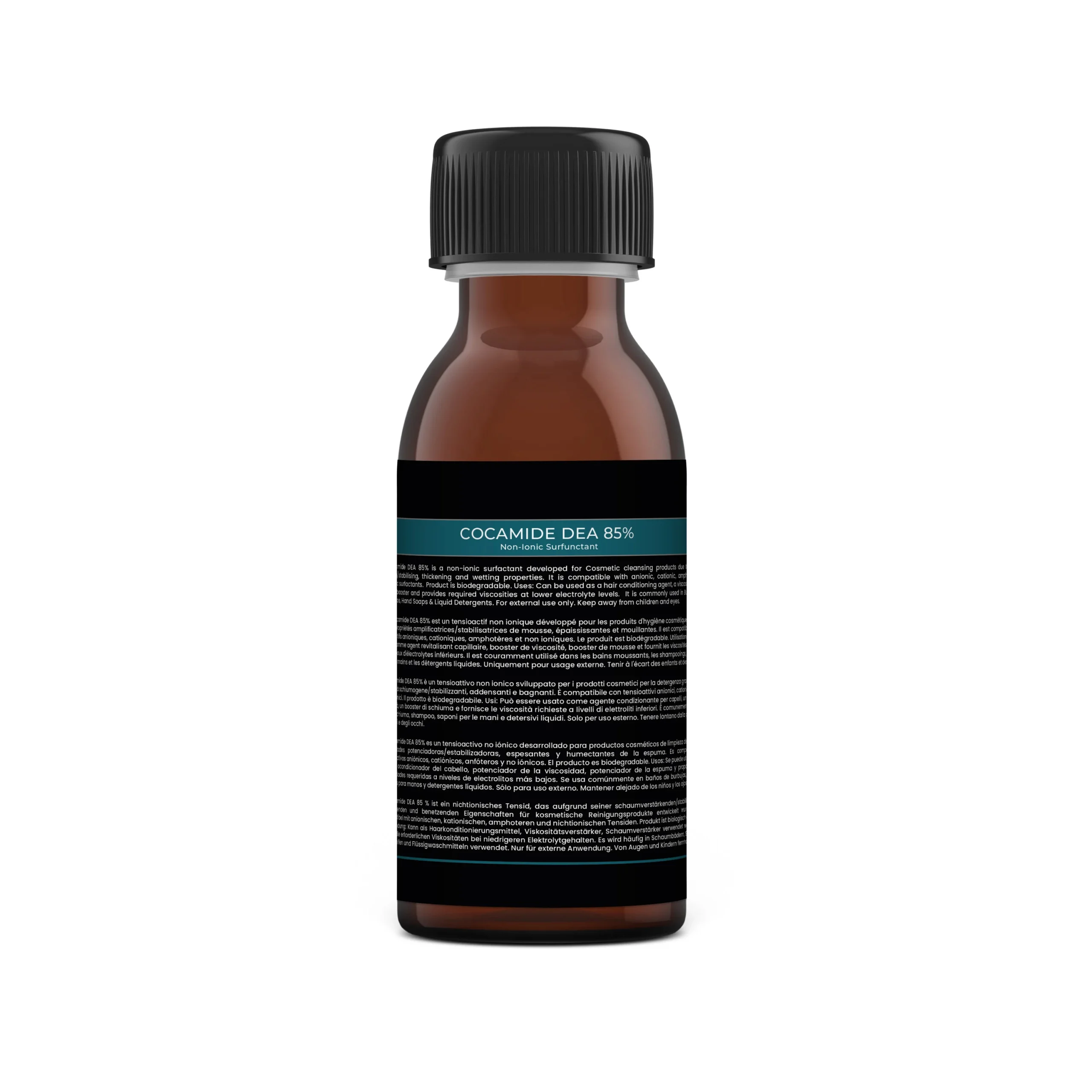
Cocamide DEA, short for Cocamide Diethanolamine, is a synthetic surfactant and foam booster derived from coconut oil. It’s created through a chemical reaction between coconut fatty acids and diethanolamine (DEA).
What is it Used For?
Cocamide DEA is frequently added to shampoos, conditioners, soaps, lotions, and other cosmetic products for several reasons:
- Foam Booster: It increases the volume and stability of foam, creating a richer, more luxurious lather.
- Viscosity Builder: It helps thicken the product, giving it a more appealing texture.
- Emulsifier: It assists in blending oil and water-based ingredients, preventing separation and ensuring a homogenous mixture.
- Surfactant: It helps to reduce surface tension, allowing the product to spread more easily and effectively clean.
The Concerns Surrounding Cocamide DEA
The controversy surrounding Cocamide DEA stems primarily from the presence of DEA in its chemical structure. DEA has been linked to several health concerns:
- Potential Carcinogen: In 2012, the International Agency for Research on Cancer (IARC) classified DEA as a possible human carcinogen (Group 2B), based on studies in animals. These studies indicated that DEA, when applied topically in high doses, could increase the risk of certain types of tumors.
- Skin Irritation: Cocamide DEA can be a skin irritant for some individuals, particularly those with sensitive skin or pre-existing skin conditions like eczema.
- Allergic Reactions: In rare cases, Cocamide DEA can trigger allergic reactions, leading to symptoms such as itching, redness, and swelling.
Regulation and Industry Response
Due to the potential health concerns, various regulatory bodies have taken steps to address the use of Cocamide DEA:
- California Proposition 65: Cocamide DEA is listed under California’s Proposition 65 as a chemical known to the state to cause cancer. This requires products containing Cocamide DEA sold in California to carry a warning label.
- Industry Reformulation: Many manufacturers are proactively reformulating their products to replace Cocamide DEA with alternative ingredients that are considered safer.
Making Informed Choices
While the potential risks associated with Cocamide DEA are a cause for concern, they need to be considered within the context of product usage and exposure levels. Here are some tips for making informed choices:
- Read Ingredient Labels Carefully: Be aware of the ingredients in your personal care products. Look for “Cocamide DEA” or “Cocamide Diethanolamine” on the label.
- Choose Alternative Products: Opt for products that are formulated without Cocamide DEA or those that use safer alternatives, such as coconut-derived surfactants like Cocamidopropyl Betaine.
- Consider Sensitive Skin: If you have sensitive skin or a history of allergic reactions, be particularly cautious about products containing Cocamide DEA.
- Less is More: Minimize your overall exposure to products containing potentially harmful ingredients by using them sparingly.
- Research Brands: Support brands that are committed to using safer and more sustainable ingredients.
Conclusion
Cocamide DEA is a common ingredient in cosmetics and personal care products, valued for its foaming and thickening properties. However, concerns about its potential health risks, primarily due to the presence of DEA, have prompted regulatory scrutiny and industry reformulations. By being informed about the potential risks and making conscious choices, consumers can navigate the world of personal care products with greater confidence and prioritize their health and well-being. Remember to always consult with a dermatologist or healthcare professional if you have any specific concerns about ingredients in your personal care products.


Reviews
There are no reviews yet.