
Description
The Ubiquitous Acetic Acid: More Than Just Vinegar
Acetic acid, a chemical compound often recognized by its sharp, pungent smell, is far more than just the active ingredient in vinegar. While its role in flavoring salads and pickling vegetables is certainly significant, acetic acid boasts a wider range of applications that span industries from food production to pharmaceuticals. Understanding its properties and diverse uses unveils the fascinating versatility of this simple, yet impactful, molecule.
What is Acetic Acid?
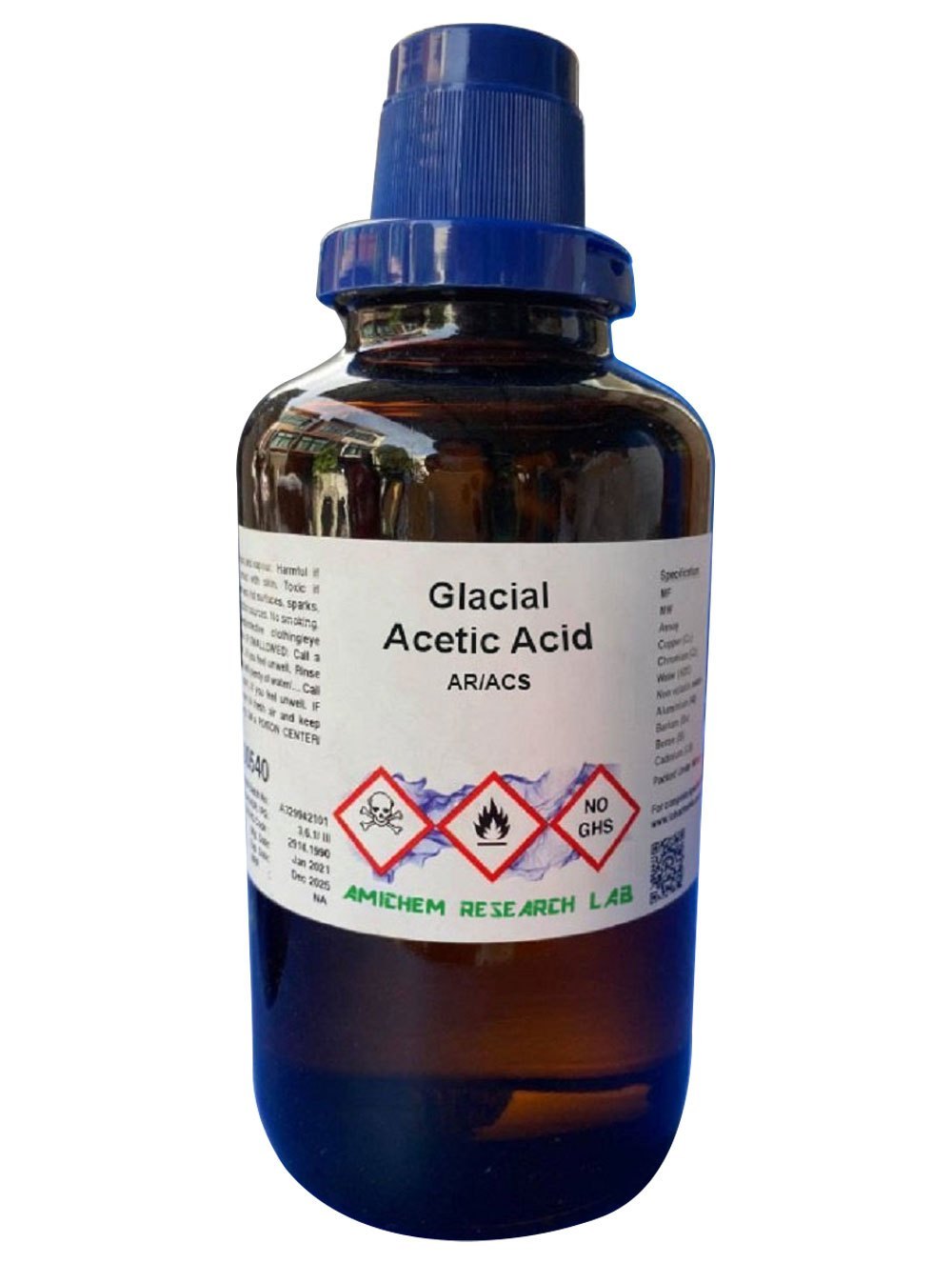
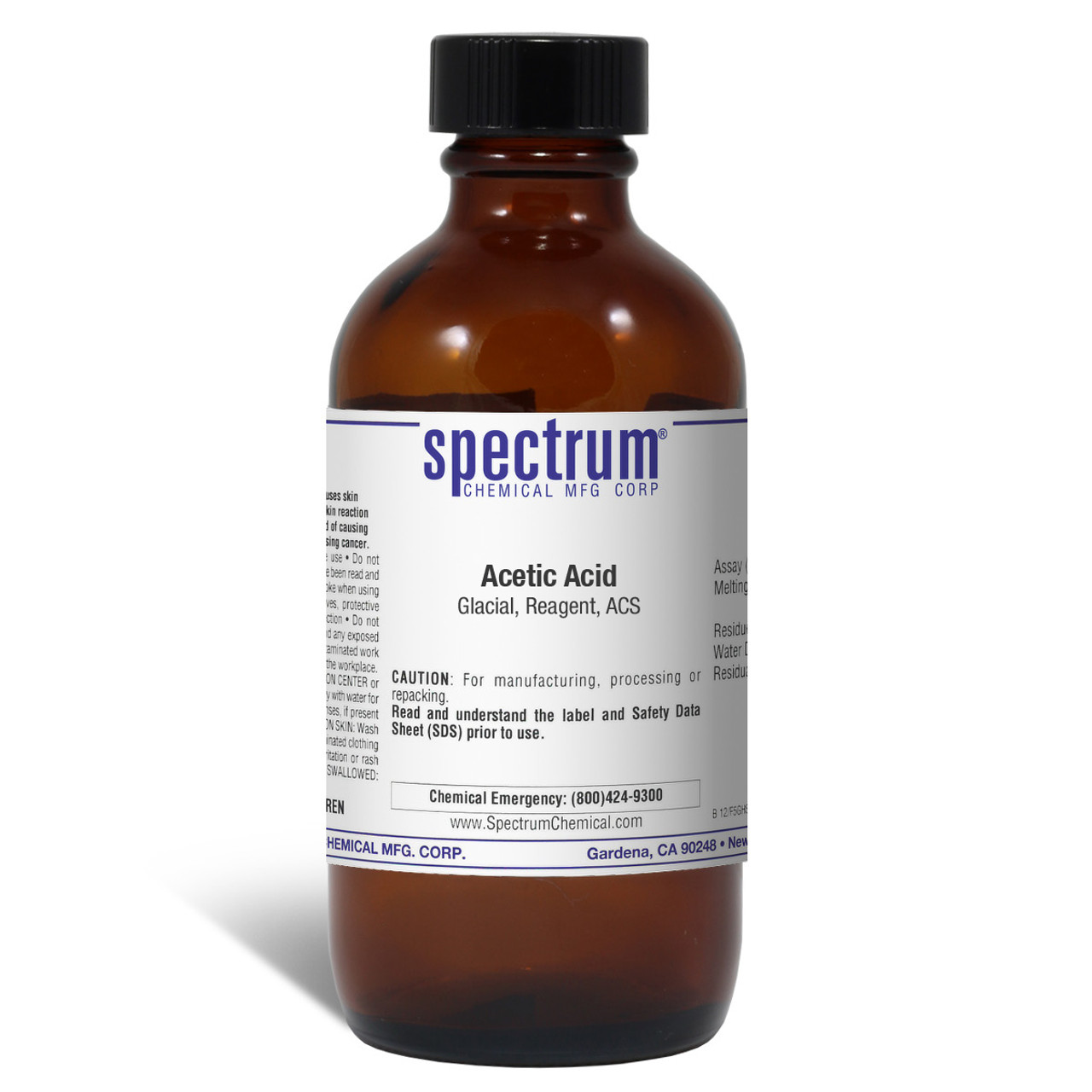
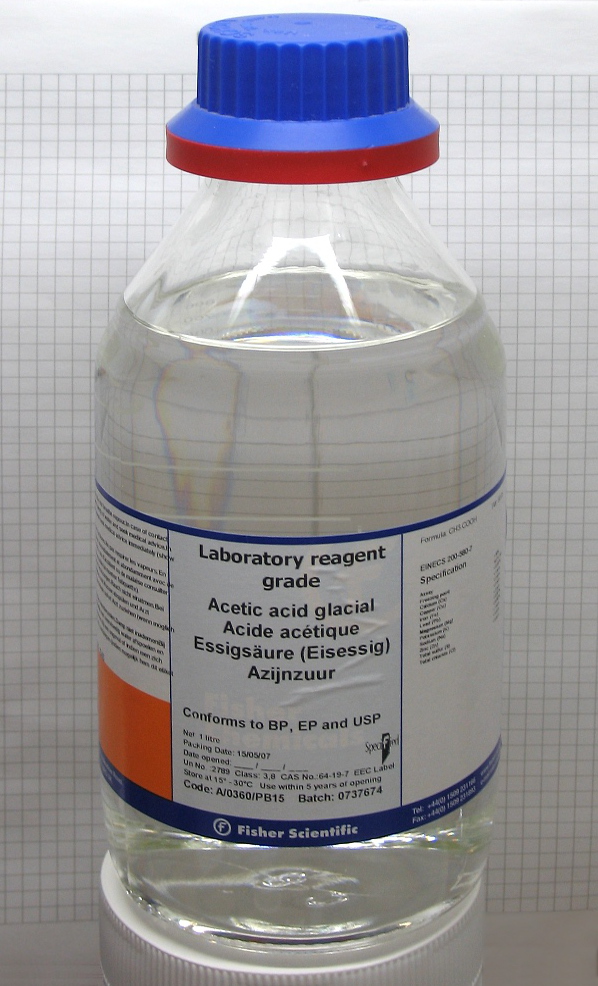
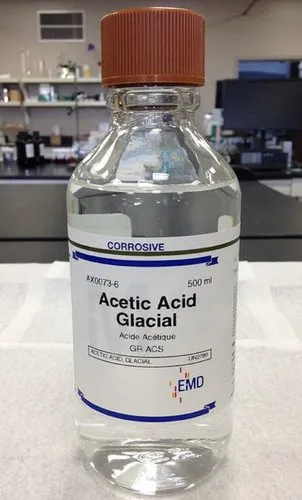
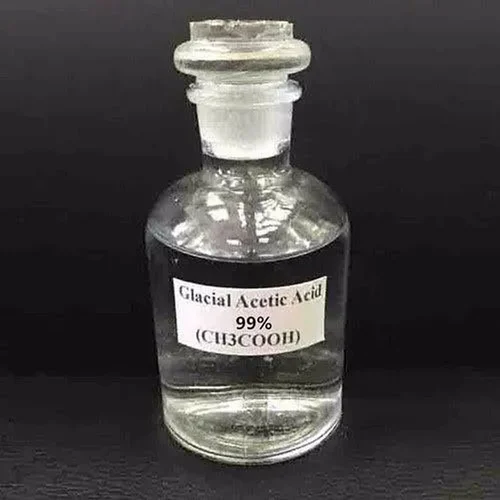
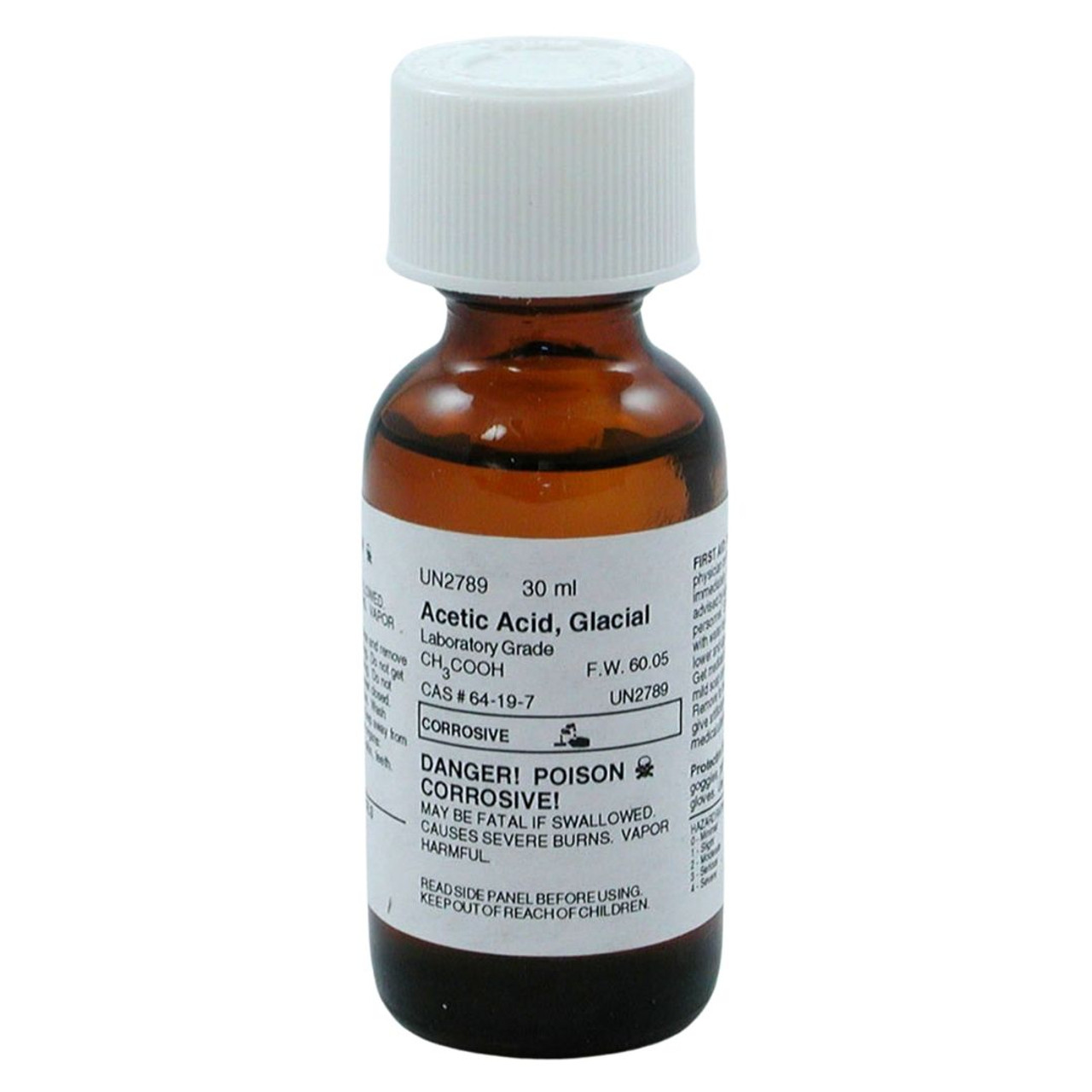
Scientifically known as ethanoic acid, acetic acid is an organic compound with the chemical formula CH₃COOH. It’s a colorless liquid that is miscible with water, meaning it can dissolve in water in any proportion. In its purest form, it’s often referred to as glacial acetic acid, due to its ability to form ice-like crystals at temperatures just below room temperature.
The characteristic sour taste and odor of acetic acid are attributable to the carboxyl group (-COOH) present in its molecular structure. This group allows it to act as a weak acid, meaning it only partially dissociates into ions in water. This property contributes to its effectiveness in various applications.
Vinegar: Acetic Acid’s Most Famous Form
The most widely recognized application of acetic acid is undoubtedly in the production of vinegar. Vinegar typically contains between 4% and 8% acetic acid by volume, along with various flavor compounds derived from the source material, such as apples, grapes, or grains.
The fermentation process converts sugars into ethanol, which is then further oxidized by bacteria to produce acetic acid. The resulting vinegar is a staple ingredient in culinary applications worldwide, used for flavoring, pickling, and as an ingredient in sauces and marinades.
Beyond the Kitchen: Diverse Industrial Uses
While vinegar highlights its culinary applications, acetic acid plays a crucial role in numerous industrial processes:
- Production of Polymers: A significant portion of acetic acid production is dedicated to the synthesis of polymers, particularly polyvinyl acetate (PVA). PVA is used in adhesives, paints, coatings, and textiles.
- Manufacturing of Rayon: Acetic acid is used as a solvent in the production of rayon, a synthetic fiber often used in clothing and textiles.
- Pharmaceuticals: In the pharmaceutical industry, acetic acid serves as a solvent, a reagent in chemical syntheses, and as an antiseptic in dilute solutions.
- Photography: Acetic acid is used in photographic developers and stop baths.
- Cleaning and Disinfecting: Due to its acidic properties, diluted acetic acid can be used as a cleaning agent and disinfectant.
Safety Considerations
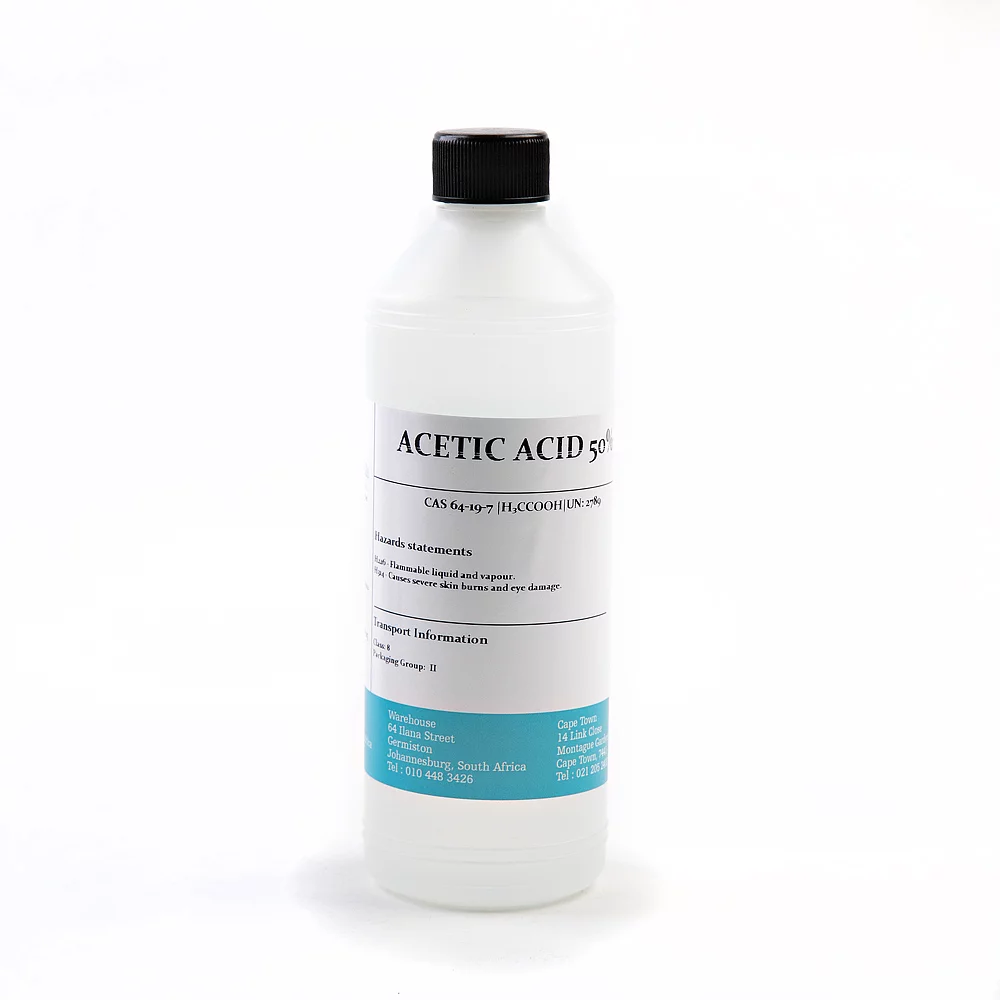
While acetic acid is generally considered safe in dilute solutions like vinegar, concentrated acetic acid can be corrosive and can cause skin burns, eye damage, and respiratory irritation. Therefore, it’s crucial to handle concentrated acetic acid with appropriate safety precautions, including wearing protective gloves, eyewear, and ensuring adequate ventilation.
Sustainability and the Future of Acetic Acid Production
Traditional methods of acetic acid production often rely on petrochemical feedstocks. However, growing concerns about sustainability are driving research into more environmentally friendly production methods. These include:
- Biomass Fermentation: Utilizing renewable biomass sources, such as agricultural waste, to produce acetic acid through fermentation.
- Catalytic Conversion: Developing more efficient catalysts to convert ethanol or other renewable feedstocks into acetic acid.
As the world moves towards a more sustainable future, these innovative approaches promise to reduce the environmental impact associated with acetic acid production.
Conclusion
Acetic acid, a seemingly simple chemical compound, plays a vital role in our lives, from flavoring our food to contributing to the production of essential materials. Its versatility and wide range of applications solidify its importance in various industries. With ongoing research focused on sustainable production methods, acetic acid is poised to remain a crucial compound for years to come. So, the next time you reach for a bottle of vinegar, remember the broader impact of this remarkable molecule that extends far beyond the kitchen.

Reviews
There are no reviews yet.